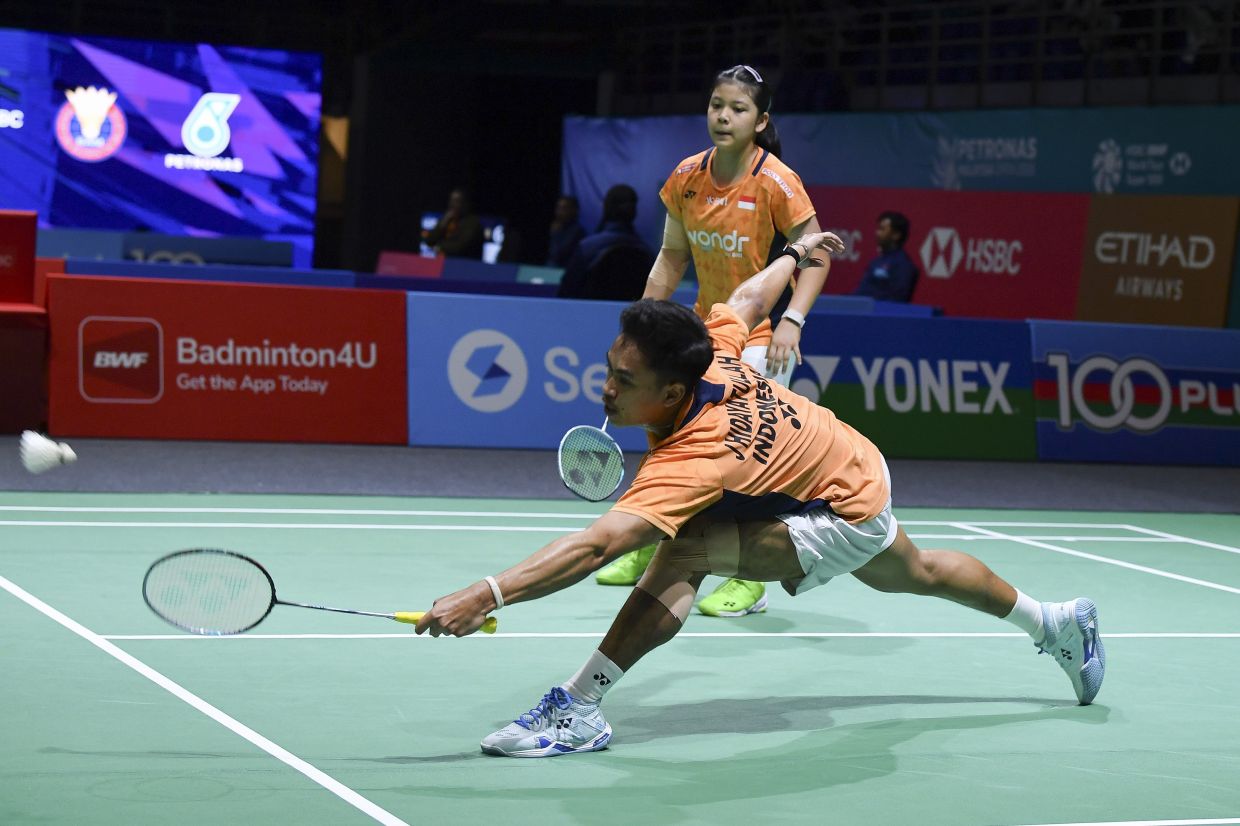
Two prominent Indonesian mixed doubles pairs have pulled out of the World Championships in the wake of a widening match-fixing investigation that has cast a shadow over the country's badminton programme. The withdrawals of world No. 13 ranked Jafar Hidayatullah-Felisha Pasaribu and fellow pair Adnan Maulana-Indah Cahya Sari Jamil, announced separately in mid-to-late July, have intensified scrutiny on the sport's integrity mechanisms in Southeast Asia's largest badminton powerhouse.
The Indonesian Badminton Association (PBSI) characterised the departures as routine squad adjustments rather than disciplinary measures, though officials stopped short of confirming any direct connection to the ongoing probe. This measured public response reflects the delicate position faced by national sports bodies when caught between protecting player reputations and maintaining transparency with stakeholders. Ricky Soebagdja, the PBSI's secretary-general, issued a formal statement acknowledging that the Badminton World Federation (BWF) is conducting independent judicial proceedings into alleged integrity breaches by several Indonesian athletes, without specifying which players face scrutiny or the nature of the allegations.
The timing of these withdrawals raises critical questions about governance in professional badminton. Adnan-Indah departed on July 13, followed two weeks later by Jafar-Felisha on July 29. The staggered nature of the announcements suggests the matter unfolded over weeks rather than as a single coordinated decision, potentially indicating that the investigation expanded in scope or new information emerged during this period. For Malaysian badminton followers and regional observers, the situation underscores how quickly reputational damage can spread across the interconnected Southeast Asian badminton circuit, where players regularly compete alongside and against one another across international tournaments.
Match-fixing investigations in badminton have become increasingly common across Asia in recent years, reflecting both heightened vigilance by governing bodies and persistent vulnerabilities in the sport. The mixed doubles category has proven particularly susceptible to integrity concerns, partly due to the relatively small professional circuit and limited tournament opportunities compared to singles disciplines. When allegations surface, they ripple through entire federations, affecting not just the implicated athletes but also teammates, coaching staff, and national selection committees who must make rapid decisions about representation at major competitions.
The PBSI's statement emphasised that squad adjustments were made to ensure compliance with international regulations and proper administrative procedures. This framing suggests the federation is attempting to demonstrate proactive governance rather than reactive crisis management. However, the association's decision to refrain from further commentary while proceedings remain ongoing, coupled with a plea for restraint from speculation, hints at the constraints imposed by ongoing legal processes and the need to avoid prejudicing independent investigations. The BWF's independent hearing panel will ultimately determine whether any breaches occurred and what sanctions, if any, should apply.
Indonesia's mixed doubles depth means the team remains competitive despite these losses. The federation has shifted emphasis to pairs Amri Syahnawi-Nita Violina Marwah as primary representatives, elevating Rehan Kusharjanto-Gloria Widjaja from the reserve roster. This flexibility demonstrates that while individual pairings may face disruption, Indonesia retains sufficient talent to field competitive entries. For context, Indonesia has historically dominated mixed doubles at world championships, making any loss of representation a blow to national prestige even if alternative pairings step forward.
The broader implications extend beyond individual tournaments. Match-fixing probes erode public confidence in sport's integrity and create perceptions that results may be predetermined rather than earned through athletic merit. In badminton, where Southeast Asian countries invest heavily in player development and facility infrastructure, such scandals undermine these investments and tarnish national reputations. Malaysian readers should note that integrity concerns affect the entire regional badminton ecosystem—when Indonesian players face allegations, it impacts the credibility of competitions that Malaysian athletes also participate in.
The BWF's handling of this investigation will signal how effectively international sporting bodies can police their own sport. The decision to conduct independent judicial proceedings rather than rely solely on national federation investigations suggests a more rigorous approach. However, the opacity surrounding exactly which players are under investigation and what specific conduct is alleged raises questions about transparency standards. Players deserve to know the scope of investigations affecting their careers, while fans deserve clarity about who is being investigated and why.
Looking forward, the resolution of these proceedings will likely influence how badminton federations across Asia approach integrity compliance. Stricter betting regulations, enhanced monitoring of wagering patterns around matches, and clearer whistleblower protections may emerge as recommended reforms. For professional badminton players throughout Southeast Asia, the message is increasingly clear: participation in international sport carries heightened scrutiny, and any association with match-fixing poses catastrophic career and reputational risks.
The PBSI's emphasis on respecting the BWF's independence and mechanisms reflects broader trends toward internationalisation of sports governance. Rather than relying exclusively on national tribunals, which can face accusations of bias or insufficient rigour, the federation acknowledges that independent international bodies are better positioned to investigate cross-border integrity breaches. This approach, while often frustrating to national federations seeking swift resolutions, ultimately strengthens confidence in outcomes.

