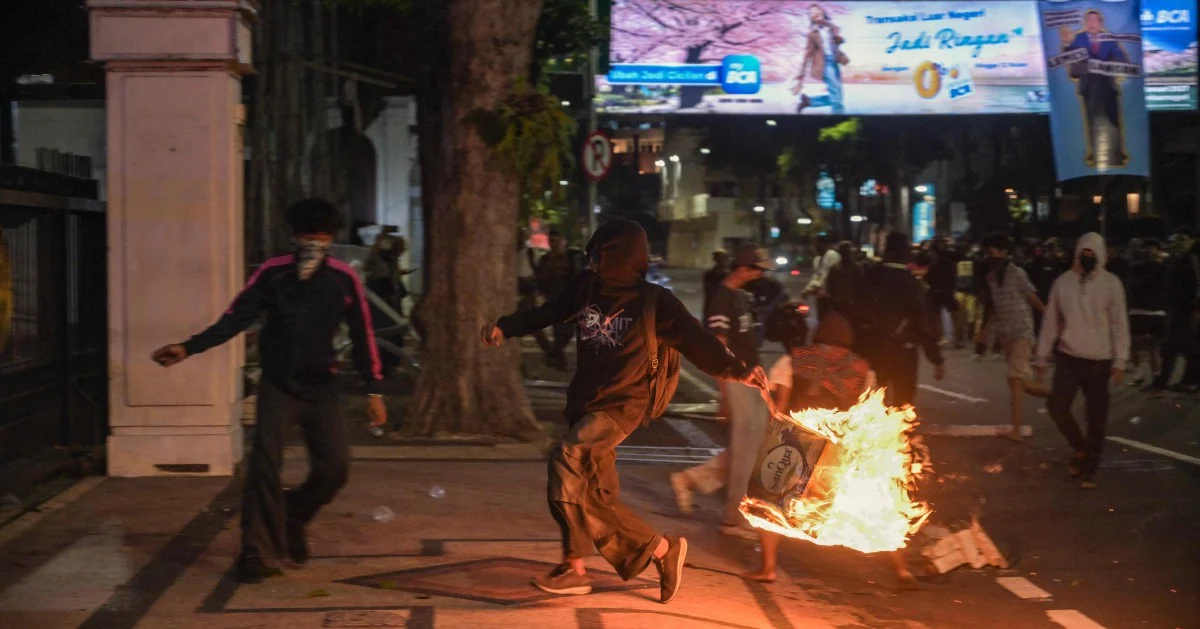
Police in Surabaya, Indonesia's second-largest metropolitan area, have arrested a significant number of demonstrators who participated in a public gathering opposing the direction of President Prabowo Subianto's administration. The detentions followed an organised rally in the East Java city, with a human rights monitoring group reporting on the incident over the weekend. The scale and nature of these arrests underscore mounting tensions between civil society activists and law enforcement in Indonesia as the government pursues its early policy agenda.
The rally in Surabaya represents part of a broader wave of public dissent that has emerged since Prabowo Subianto assumed the presidency. The gathering drew people concerned about specific government initiatives, though the exact policies that prompted the demonstration remain subject to ongoing debate and media coverage. Surabaya, as Indonesia's second-largest urban centre, serves as a significant hub for political activism and civic engagement, making it a focal point for expressions of public opinion on national affairs.
Human rights advocates have raised concerns about the police response to the demonstration, viewing the mass arrests as potentially problematic under Indonesian law and international human rights standards. The intervention by authorities during what appears to have been a peaceful gathering highlights ongoing questions about the space afforded to freedom of assembly and expression in Southeast Asia's largest democracy. Rights monitoring organisations have indicated they will scrutinise the legal justification for holding the detainees and the conditions under which they are being held.
The incident in Surabaya reflects a pattern of political mobilisation that has characterised Indonesia in recent months, with various civil society groups mobilising citizens around economic concerns, governance issues, and specific policy disagreements. These demonstrations, while sometimes contentious, represent a core feature of Indonesia's democratic system, though their management by security forces continues to generate controversy and international attention.
For Malaysia and other neighbouring countries, these developments carry implications for understanding regional democratic practices and governance trends. Indonesia's handling of public dissent influences perceptions of political stability and institutional health across Southeast Asia, particularly among observers in Malaysia who maintain close political and cultural ties with their Indonesian counterparts. The question of how authorities balance security concerns with civil liberties remains pertinent throughout the region.
The Surabaya arrests also coincide with Prabowo's broader consolidation of power and implementation of his policy platform. Understanding how the government manages opposition and protest activity will prove crucial for assessing the sustainability of his administration and its relationship with civil society. The detention of protesters sends particular messages about official tolerance for criticism and dissent during this formative period of his presidency.
Comments from human rights organisations typically emphasise the importance of transparent detention procedures, access to legal counsel, and adherence to due process standards. These principles, enshrined in Indonesian law and international conventions to which Indonesia is party, establish benchmarks against which the government's actions can be evaluated. The broader international community, including regional partners, often monitor such incidents as indicators of institutional commitment to rule of law.
The geographic focus on Surabaya also carries significance given the city's historical role as a centre of Indonesian nationalism and political activism. The city has long hosted diverse perspectives and active civil society networks, making it both a barometer for public sentiment and a location where authorities face particular pressure to manage dissent carefully. Political movements in Surabaya frequently develop national significance, and reactions to government crackdowns in the city generate extensive media coverage.
Week-to-week developments in Indonesia's protest landscape typically reflect underlying economic anxieties, distributional concerns, and governance grievances that transcend particular policy disputes. The existence of mass demonstrations against Prabowo's administration suggests that segments of the population harbour substantive reservations about government direction, whether rooted in pension reform concerns, regulatory changes, budget allocation disputes, or broader ideological disagreements. These currents of discontent will likely resurface through various channels in coming months.
The response of international observers and diplomatic partners to the Surabaya arrests carries potential consequences for Indonesia's international standing and bilateral relationships. Western democracies and regional institutions increasingly integrate human rights performance and democratic governance into their engagement calculus with major Southeast Asian nations. How Indonesia manages this particular incident and broader questions of protest rights will feature in such assessments.
Moving forward, the treatment of the detained protesters—including decisions about charges, trial proceedings, and potential releases—will indicate whether the Prabowo administration regards these demonstrations as legitimately expressing civic concerns or as security threats requiring robust state response. This distinction proves consequential for evaluating the overall trajectory of Indonesian politics and civil liberties during his tenure. Regional observers, civil society networks, and international bodies will continue monitoring developments closely.

