Indonesia's primary international aviation hub, Soekarno-Hatta International Airport in Jakarta, is confronting an escalating narcotics crisis that has seen drug enforcement authorities register over 300 cases within just seven months of this year. The frequency of such interceptions—averaging a minimum of two incidents daily—underscores the severity of the challenge facing customs and excise officials responsible for screening the approximately 25,000 to 30,000 international passengers transiting the facility each day. This mounting tally reveals the complex, multifaceted nature of contemporary drug trafficking operations that exploit major aviation infrastructure across Southeast Asia and beyond.
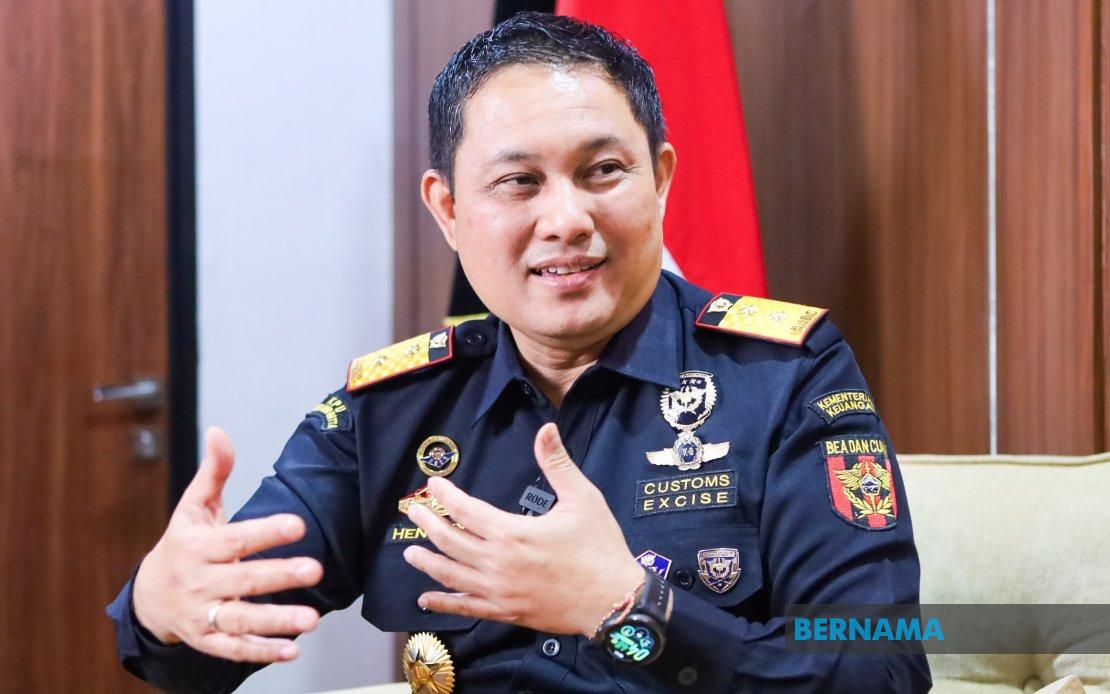
Hengky Tomuan Parlindungan Aritonang, the head of Soekarno-Hatta's Main Customs and Excise Office, characterises the statistics as a reflection not merely of rising smuggling activity but of the intensive enforcement measures deployed at this critical border point. The suspects apprehended span numerous nationalities and originate from vastly different geographic locations, suggesting that trafficking networks operate with sophisticated adaptability and geographical flexibility. Aritonang notes that international flight origin often bears little correlation to either the courier's nationality or the drugs' ultimate source, complicating the investigative landscape considerably.
The operational reality at Southeast Asia's busiest airport reveals a troubling pattern wherein established trafficking syndicates exhibit remarkable indifference to national borders when recruiting couriers. Criminals deliberately exploit the movement of inbound flights from neighbouring countries, including Malaysia and Thailand, by strategically placing Indonesian operatives aboard such vessels to collect contraband upon arrival. This tactical deployment effectively shields the true origin points of illicit shipments while utilising the established travel patterns and immigration pathways that characterise regional aviation networks.
Criminal organisations demonstrate further sophistication by specifically targeting overseas-based workers and migrant labourers, persuading them to serve as unwitting carriers during their journeys home. These individuals, often vulnerable due to financial pressures or family obligations, become recruitment targets precisely because their domestic reintegration appears inconspicuous to border authorities. The exploitation of such human vectors represents a particularly insidious dimension of transnational smuggling operations that extends the reach of trafficking networks into diaspora communities throughout the region.
Customs intelligence gathered at Soekarno-Hatta identifies Thailand, Spain, Malaysia, and Singapore as predominant sources of detected contraband, while confiscated suspects originate from countries including Spain, Malaysia, France, and China. The substances most frequently intercepted include psychotropic compounds, etomidate, and methamphetamine, with methamphetamine and MDMA constituting the largest seizures by mass. This chemical profile reflects evolving drug market dynamics within Southeast Asia, where synthetic pharmaceuticals command significant trafficking volume and generate substantial profits for organised crime networks.
Beyond conventional passenger screening protocols, Indonesian authorities have identified sophisticated cargo smuggling methodologies wherein narcotics traverse airports concealed within commercial shipments. Investigators employ intelligence gathering and tracking techniques to identify intended recipients within Indonesian territory before working backwards through supply chain documentation to apprehend senders and dismantle operational networks. This approach represents a strategic shift toward dismantling trafficking infrastructure rather than merely intercepting individual consignments.
Recent high-profile cases have intensified scrutiny of Malaysian nationals transiting Indonesian airports, culminating in the arrest of a Malaysian commercial airline pilot charged with attempting to smuggle approximately 25 kilogrammes of MDMA through Soekarno-Hatta. Additional detentions followed at Juanda International Airport near Surabaya, where authorities discovered methamphetamine and ecstasy pills allegedly concealed on a Malaysian national's person, whilst three Malaysian women faced detention after discovery of suspected MDMA, cocaine, and ketamine at Soekarno-Hatta. These cases have generated considerable media attention and diplomatic sensitivity across the region.
Responding to concerns that Malaysian travellers might face heightened scrutiny, Aritonang has issued reassurances that customs procedures remain rigorously impartial and standardised, conducted without consideration of nationality, ethnicity, or other demographic characteristics. Screening protocols depend exclusively upon objective data analysis, intelligence assessment, and radiographic imaging, with security personnel evaluating baggage contents without prior knowledge of ownership. The official position emphasises that suspicious imagery triggers investigation regardless of passenger origin, reflecting institutional commitment to non-discriminatory enforcement practices.
The pilot case has attracted unprecedented attention within Indonesia's security establishment not principally because the suspect held Malaysian citizenship, but rather because his professional aviation credentials rendered his alleged involvement extraordinarily anomalous. Pilot licensing encompasses comprehensive screening mechanisms including medical examinations, background investigations, and rigorous certification standards specifically designed to identify individuals unsuitable for aviation responsibilities. The recruitment of someone meeting such stringent professional requirements represents a tactical departure that suggests criminal networks actively seek targets whom law enforcement officials would conventionally regard as improbable trafficking participants.
Aritonang characterises the pilot case as emblematic of evolving syndicate strategy, wherein criminal organisations deliberately pursue recruitment targets representing demographic or professional categories that security analysts consider statistically unlikely candidates for courier activity. This counterintuitive approach exploits the psychological tendency of investigators to develop threat profiling based on historical patterns and apparent risk indicators. Syndicates consequently target individuals whose professional standing and credentials generate presumptive legitimacy that initial screening processes might accept without intensive scrutiny.
Historical precedent for pilot involvement in Indonesian narcotics smuggling remains extraordinarily limited, with Aritonang aware of only one previous comparable incident involving an Indonesian pilot approximately two decades prior. This rarity underscores both the systematic safeguards embedded within aviation employment protocols and the exceptional breach of professional norms that the current Malaysian pilot case represents. The incident raises uncomfortable questions about vulnerabilities within recruitment and ongoing compliance monitoring systems that commercial aviation operators throughout Southeast Asia may require examination and reinforcement.
For Malaysian readers and regional observers, the escalating drug interception statistics at Soekarno-Hatta carry implications extending well beyond Jakarta's airport perimeter. The facility's prominence as a trafficking conduit reflects the broader geographic positioning of Southeast Asian nations within international drug supply chains, with Indonesia's role as a transit hub rendering it simultaneously vulnerable to importation and vulnerable to utilisation as a transshipment point toward other destinations. Malaysian nationals' overrepresentation among recent detainees reflects both the geographic proximity facilitating Kuala Lumpur-Jakarta travel and the likelihood that Malaysian criminal networks maintain established relationships with Indonesian distribution systems.
The strategic deployment of everyday travellers, overseas workers, and now apparently professional aviation personnel as unwilling accomplices demonstrates trafficking networks' adaptive capacity and willingness to exploit institutional vulnerabilities. For Malaysian citizens crossing into Indonesia, heightened awareness of such recruitment tactics and enforcement priorities remains essential, whilst governments throughout the region must acknowledge that addressing such smuggling activity requires coordinated intelligence sharing, harmonised enforcement protocols, and institutional reforms preventing recruitment of professionals occupying positions of trust.

