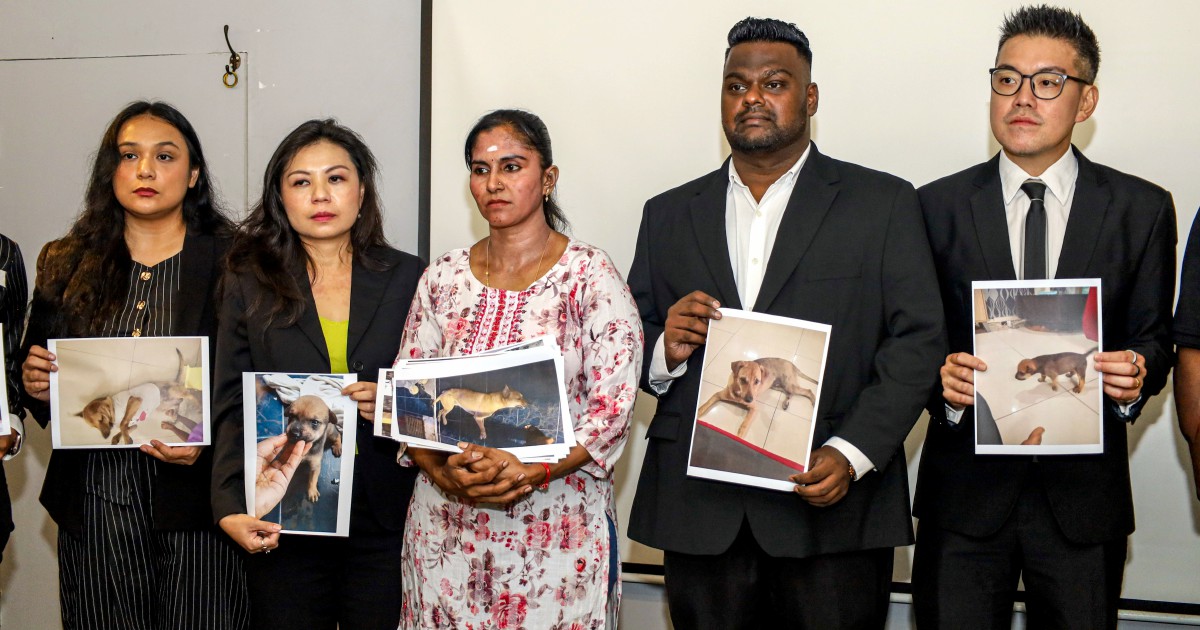
The death of a family pet in Port Klang has intensified scrutiny over how local authorities conduct dog-catching operations, with the animal's owner demanding a thorough and transparent investigation into the circumstances. Rocky, the dog in question, was allegedly struck during an attempt to capture stray animals in the Taman Teluk Gedung Indah residential area, prompting broader concerns about animal welfare standards and operational protocols in these high-risk interventions.
The incident raises significant questions about the training and oversight of personnel involved in stray dog control across Malaysian municipalities. Dog-catching operations, while necessary for public health and safety reasons, require careful execution to distinguish between stray animals and domesticated pets, particularly in densely populated residential areas where the two may be difficult to differentiate at first glance. The tragic outcome in this case suggests potential gaps in operational procedures or, at minimum, a need for clearer guidelines about appropriate use of force during such captures.
For Malaysian pet owners, the incident strikes at a fundamental concern: the safety of their animals during routine enforcement activities by municipal authorities. Residents in Klang and similar urban centers depend on these agencies to manage stray populations responsibly, but the balance between population control and individual pet protection remains delicate. The emotional and legal dimensions of this case will likely resonate with pet-owning communities nationwide, who may now view such operations with heightened anxiety.
The call for transparency from Rocky's owner reflects a broader demand across Southeast Asia for accountability in animal welfare matters. Public confidence in municipal services depends partly on clear communication about how and why certain enforcement actions are taken, what safeguards exist, and how complaints or incidents are addressed. In Malaysia's increasingly urbanized landscape, where millions of households keep pets, such transparency becomes essential for maintaining public trust.
Standard operating procedures governing stray dog capture in Malaysia typically fall under the purview of local authorities and state-level animal control agencies. However, the consistency and rigor of these procedures can vary significantly between jurisdictions. Some councils may have comprehensive training programs and detailed protocols, while others rely on less formal arrangements. The Taman Teluk Gedung Indah incident suggests the need for a nationwide review of these standards to ensure uniform practices across all local authorities.
The investigation into Rocky's death will likely examine several critical factors: whether the dog was clearly identifiable as a pet rather than a stray, what tools and methods were employed during the capture attempt, whether personnel involved received proper training in animal handling, and whether any warning or opportunity for the owner to secure the animal was provided. Each of these elements is essential to understanding whether the incident represents a procedural failure, a training deficiency, or something more serious.
From a regulatory perspective, this case highlights the importance of having accessible complaint mechanisms and independent oversight of animal control activities. While local councils typically handle these operations, establishing a layer of independent review or appeal can help prevent abuses and provide accountability. Some international best practices involve community oversight committees or regular audits of enforcement activities, measures that could enhance public confidence in Malaysian municipal services.
The incident also underscores the role that community awareness and responsible pet ownership play in preventing such situations. While not absolving authorities of responsibility, ensuring that pet dogs are clearly identifiable through tags, microchips, and supervised access to outdoor spaces can reduce the likelihood of tragic confusion. Public education campaigns about both pet safety and the legitimate need for stray control might help bridge the gap between municipal objectives and community expectations.
Port Klang, as a growing urban center with both established residential neighborhoods and newer developments, faces particular challenges in managing animal populations. The port city's expanding demographics mean increasing numbers of both pet owners and stray populations, creating operational complexity for municipal services. How authorities navigate this complexity while maintaining high standards of animal welfare will significantly influence the livability and reputation of the area.
The broader implications for Malaysia's urban management cannot be overstated. As the nation continues rapid urbanization, the need for efficient municipal services grows, but so does public expectation of humane and transparent operations. Dog-catching procedures represent just one example of enforcement activities where public and official interests must be carefully balanced. The investigation into Rocky's death will likely set important precedents for how such matters are handled going forward.
Moving forward, stakeholders including local authorities, animal welfare organizations, and pet owners' groups would benefit from collaborative development of revised guidelines. These should encompass clear communication protocols, comprehensive staff training, distinguishing features that identify pets versus strays, use-of-force limitations, and established procedures for handling complaints and incidents. International animal welfare organizations have developed evidence-based best practices that could serve as valuable references.
For Malaysian pet owners nationwide, this incident serves as a reminder of both their rights and responsibilities. While they have a legitimate expectation that municipal authorities will exercise care and professionalism in their operations, they also bear responsibility for ensuring their pets are clearly identified and adequately supervised. The conversation sparked by Rocky's death offers an opportunity to establish higher, more consistent standards that protect both community safety and individual pet welfare throughout the country.

