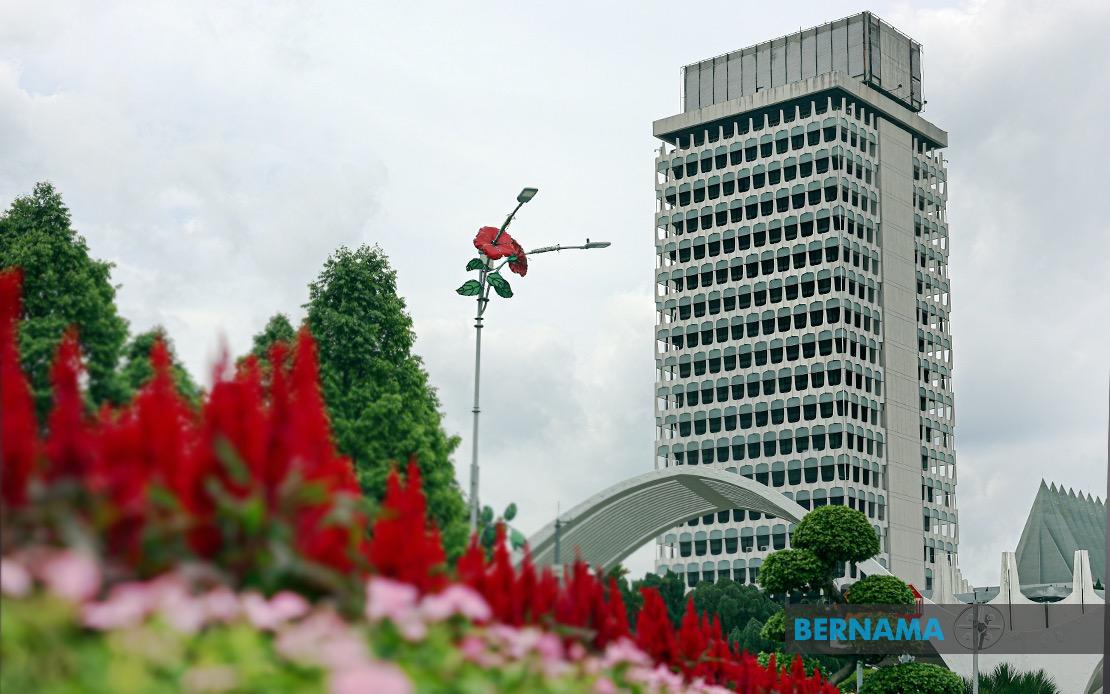
Parliament is set to grapple with mounting connectivity problems and the escalating fiscal burden of fuel subsidies as lawmakers reconvene for a scheduled sitting, reflecting deepening concerns about infrastructure resilience and budgetary sustainability amid regional upheaval. The Dewan Rakyat's agenda reveals how Malaysia's lawmakers are increasingly wrestling with the intersection of domestic service delivery crises and international economic shocks that threaten the government's fiscal targets.
Among the pressing matters before Parliament, the disconnect between mobile signal strength and actual internet functionality has emerged as a critical frustration for users across the country. Datuk Anyi Ngau, the GPS member for Baram, will press the Communications Minister on what specific remedial steps the Malaysian Communications and Multimedia Commission intends to implement. This issue has vexed Malaysian consumers and businesses alike, where devices register full network bars yet users find themselves unable to browse, stream, or conduct transactions—a phenomenon that suggests deeper infrastructure weaknesses or network management problems requiring urgent investigation and transparent disclosure.
The geopolitical complexities rippling across West Asia present Malaysia with an unexpected fiscal headache that directly threatens the annual budget's bottom line. Mohd Syahir Che Sulaiman, a PN representative from Bachok, will query the Finance Minister on how regional tensions have recalibrated the government's fuel subsidy forecasts and whether the mounting costs pose a genuine threat to achieving this year's deficit reduction goals. Oil market volatility stemming from Middle Eastern instability directly influences Malaysia's subsidy burden, since the government partially shields domestic consumers from crude price spikes. Any significant reorientation of subsidy expectations could force adjustments elsewhere in spending or revenue, complicating fiscal planning and potentially delaying economic reforms.
The government's subsidy architecture remains a structural vulnerability whenever international commodity prices surge. Malaysia has historically relied on fuel price adjustments and subsidy rationalization to manage fiscal discipline, yet political sensitivity around cost-of-living pressures has constrained policymakers' room to manoeuvre. If West Asia instability pushes crude prices higher, the subsidy bill could balloon unexpectedly, crowding out other development priorities or widening the deficit beyond targets set in the budget framework.
Beyond macroeconomic concerns, Parliament will also confront the persistent challenge of financial inclusion for Malaysia's growing informal workforce. Jamaludin Yahya from PN-Pasir Salak will raise the question of how self-employed individuals, small-scale traders, hawkers, and gig workers can access home financing when they lack conventional salary documentation. This concern touches on a structural gap in Malaysia's financial system, where traditional lending criteria favour salaried employees with documented income streams. As the gig economy expands and informal sectors remain substantial, excluding these workers from homeownership financing perpetuates economic stratification and limits wealth accumulation pathways for millions of Malaysians.
The question signals growing recognition that first-time homebuyer schemes must evolve to accommodate Malaysia's changing employment landscape. Banks and financial institutions typically demand fixed salary slips as proof of repayment capacity, yet gig workers, traders, and informal entrepreneurs generate income through fragmented channels that resist conventional documentation. Developing alternative assessment mechanisms—such as bank statement analysis, transaction history verification, or group lending schemes—could unlock substantial untapped demand for housing finance while broadening financial inclusion.
Women's safety and family welfare standards also feature prominently on Parliament's current agenda. Yeo Bee Yin, representing PH-Puchong, will demand clarity on whether the government has developed a comprehensive regulatory framework governing confinement centres. These facilities, which provide post-natal care and recovery support for mothers, currently operate in a legal grey zone across much of Malaysia. Without standardized national regulations, quality and safety standards vary dramatically, exposing vulnerable new mothers to inconsistent practices and potential exploitation. A unified regulatory regime would establish baseline health and safety protocols while protecting consumer interests in a growing wellness sector.
Following the question-and-answer session, Parliament will proceed to second reading of two significant legislative proposals: the Communications and Multimedia (Amendment) Bill 2026 and the Malaysian Communications and Multimedia Commission (Amendment) Bill 2026. Both measures were introduced for first reading on July 13, and their progression to second reading signals the government's intent to advance telecommunications reform. These amendments likely address evolving challenges in digital regulation, though the specific provisions remain to be debated when MPs discuss their substantive merits on the floor.
The communications bills arrive at a moment when Malaysia's digital infrastructure faces mounting scrutiny. Persistent service quality issues, unequal coverage across rural and urban areas, and regulatory gaps regarding data protection and network accountability have fuelled calls for legislative modernization. The amendments may address licensing standards, consumer protection mechanisms, or MCMC enforcement authority—areas where existing frameworks have struggled to keep pace with technological change and market expansion.
The current parliamentary sitting, scheduled to conclude on July 16, encompasses a compressed 16-day session laden with substantive policy territory. The convergence of infrastructure complaints, subsidy pressures, financial inclusion gaps, and regulatory renewal reflects Parliament's increasing focus on how macroeconomic shocks and domestic service failures interconnect. For Malaysian policymakers, the week ahead offers opportunities to address longstanding vulnerabilities in connectivity, fiscal flexibility, and inclusive finance—challenges that transcend partisan divides and demand pragmatic, evidence-based responses.
These parliamentary interventions underscore a broader imperative facing Southeast Asia's largest economies: balancing immediate social demands against fiscal sustainability while modernizing regulatory frameworks for a digitalized economy. Malaysia's Parliament, through targeted scrutiny and legislative innovation, must demonstrate responsiveness to constituent concerns about service reliability, affordability, and opportunity access. The depth and calibre of debate over these interconnected issues will signal whether lawmakers are equipped to navigate the complex policy terrain ahead.

