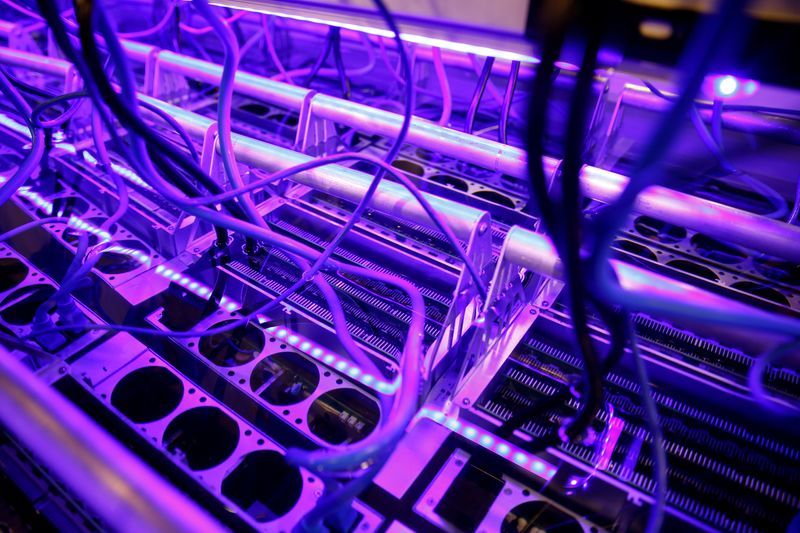
Ionic Digital, a cryptocurrency mining and artificial intelligence infrastructure company, has filed plans to list its shares on Nasdaq through a direct listing mechanism, marking another significant recovery effort from the crypto sector's troubled lending collapse of recent years. The New Jersey-headquartered firm submitted its application on Monday, with ticker symbol "IOND" earmarked for its public debut. This move represents a pathway to market liquidity for a company born from the restructuring of one of cryptocurrency's most high-profile bankruptcies.
The company traces its origins to January 2024, when it was specifically established to acquire the mining operations of Celsius Mining, a former subsidiary of Celsius Network. This acquisition followed the parent company's emergence from Chapter 11 bankruptcy proceedings, which itself had become emblematic of the frailties within the cryptocurrency lending industry during its speculative expansion. The restructuring process received formal approval from United States bankruptcy courts in November 2023, paving the way for the creation of Ionic as a standalone entity with refocused operations.
Celsius Network's original collapse occurred in July 2022, just one month after the company froze all customer accounts and halted withdrawal capabilities—a dramatic step that shocked the cryptocurrency community and exposed the systemic risks embedded within unregulated lending platforms. This freeze came during a period of extraordinary turbulence in digital asset markets, as the rapid growth that characterised the sector during the COVID-19 pandemic unraveled spectacularly. Celsius was among several major cryptocurrency lenders to file for bankruptcy protection as the industry confronted cascading defaults and insolvency.
The direct listing format chosen by Ionic offers distinct advantages over traditional initial public offerings. In this structure, the company introduces its existing shares to public markets without creating new equity or engaging underwritten offerings. This mechanism enables existing shareholders and insiders to immediately liquidate their holdings at market prices, potentially providing faster liquidity without the lengthy lock-up periods typical of conventional IPO structures. Ionic's registered stockholders currently plan to sell up to 10.8 million shares through this listing process.
During Celsius' formal reorganization, approximately 37 million Class A shares in Ionic were distributed to Celsius creditors, effectively converting them from claims holders into company shareholders. This creditor-to-equity conversion represents a standard restructuring mechanism whereby those who suffered losses in the original bankruptcy receive ownership stakes in the reorganized entity as compensation. The creditor base consequently acquired significant influence over Ionic's direction and governance, creating alignment between recovery interests and operational management.
Ionic's commercial trajectory has accelerated considerably in recent weeks. The company successfully concluded a substantial funding round last week that generated $400 million in capital at a pre-money valuation of $2 billion, representing substantial growth in perceived enterprise value. This round attracted prominent alternative asset managers, with Attestor, Oaktree Capital Management, and Sachem Head Capital Management leading the investment syndicate. The participation of these established financial institutions signals confidence in Ionic's business model and operational prospects within the evolving digital infrastructure landscape.
The company's dual focus on bitcoin mining and artificial intelligence infrastructure positions it at the intersection of two exceptionally capital-intensive and strategically significant sectors. Bitcoin mining has experienced renewed institutional interest as environmental and energy efficiency concerns have become more integrated into investment decision-making. Simultaneously, the explosive growth of generative artificial intelligence has created substantial demand for specialized computational infrastructure, creating potential synergies between Ionic's operational assets and emerging market opportunities.
The choice of financial advisors for the listing—J.P.Morgan, Jefferies, and BTIG—reflects the project's significance within capital markets. These institutions bring extensive experience in technology and alternative asset company listings, suggesting that Ionic intends to position itself attractively to both institutional and sophisticated retail investors. The advisory team's reputation and distribution capabilities will be instrumental in determining the listing's reception and subsequent trading performance.
For Southeast Asian investors and stakeholders, Ionic's public listing carries broader implications regarding the cryptocurrency industry's institutional maturation. The successful emergence of a credible, well-capitalized mining and infrastructure company from bankruptcy restructuring signals that elements of the sector possess genuine productive capacity and long-term viability, distinct from purely speculative ventures. However, the episode also reinforces enduring concerns about leverage, opacity, and regulatory gaps that characterise cryptocurrency lending platforms, lessons that remain relevant to Malaysian and regional financial regulators navigating digital asset policy frameworks. Ionic's trajectory will likely serve as a bellwether for investor appetite for cryptocurrency sector recovery plays and infrastructure investments in Southeast Asian and broader Asian markets.

