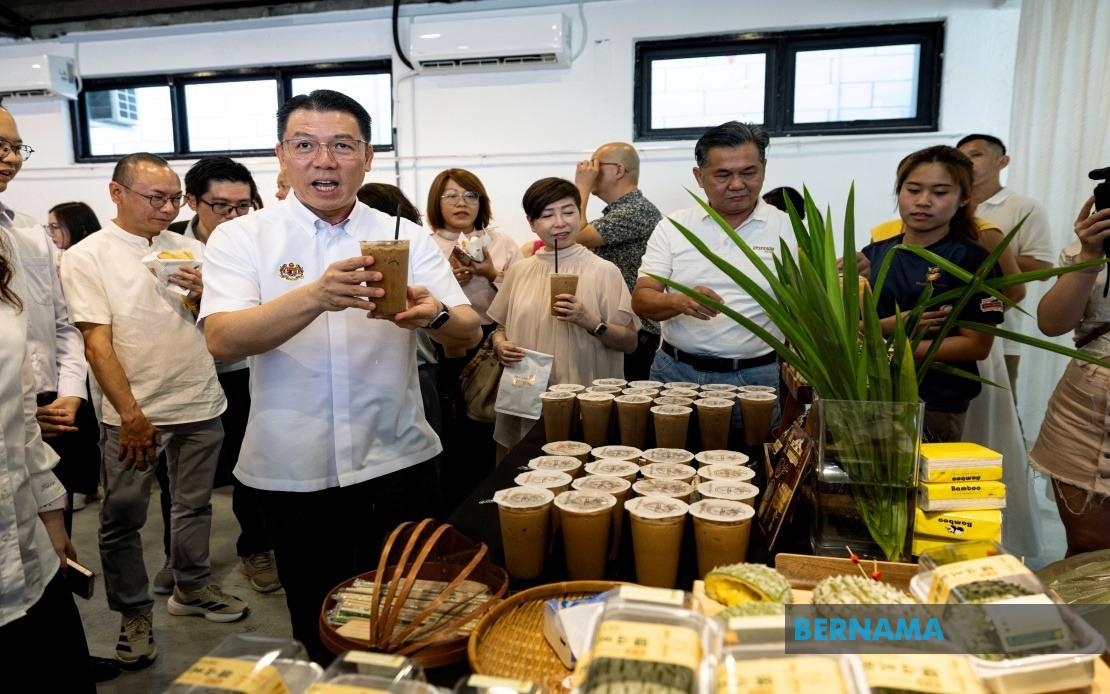
Housing and Local Government Minister Nga Kor Ming has unveiled plans for the Jom Makan Ipoh 2026 Expo, positioning the three-day culinary festival as a powerful vehicle for social cohesion and economic development in Perak's capital city. Speaking at the programme's pre-launch event in Ipoh, the Kepayang assemblyman articulated a vision that extends beyond conventional tourism marketing, instead framing food as a fundamental instrument capable of bridging Malaysia's diverse ethnic and cultural communities. This perspective resonates deeply within the Malaysian context, where gastronomy has historically served as one of the most accessible and celebrated platforms for intercultural understanding.
The expo, scheduled to run from August 28 to 30 between 5 pm and 11 pm at Palo 101, represents a collaborative effort involving the Kepayang constituency service centre and multiple strategic partners committed to preserving and promoting Ipoh's distinctive culinary identity. The timing of the announcement during Merdeka Month carries symbolic significance, aligning the celebration of food heritage with Malaysia's broader narrative of national unity and shared identity. By situating gastronomic diversity within the independence season, organisers have deliberately connected local food traditions to the country's foundational values of pluralism and mutual respect.
The festival will feature more than 50 food and agricultural product stalls, with particular emphasis on twelve signature Ipoh specialities that have defined the city's culinary reputation for generations. These include iconic dishes such as Laksa Buyong, the region's famous white coffee, nasi ayam taugeh, and puding taufu—items that immediately evoke Ipoh's gastronomic identity to both longtime residents and visitors. Beyond these established classics, the expo will showcase street food offerings and selected agricultural products sourced from local producers, creating opportunities for small-scale vendors and farmers to access wider consumer bases. This inclusive approach supports economic activity throughout the supply chain while celebrating the artisanal traditions embedded in Ipoh's food culture.
A particularly innovative component of the expo involves six dedicated Ipoh Food Culture Galleries designed to contextualize the city's culinary heritage within broader historical and social frameworks. These galleries will explore the evolution of local food culture through thematic exhibitions centring on Ipoh White Coffee, the food traditions associated with the tin mining era, kacang putih production, sambal and ulam preparations, and other culinary practices interwoven with Ipoh's identity. This curatorial approach transforms the festival from a simple food market into an educational platform where visitors gain deeper understanding of how historical events, economic activities, and community interactions have shaped regional eating habits. Such cultural documentation proves increasingly valuable as rapid modernisation threatens traditional food knowledge transmission systems.
The programming extends beyond food consumption to encompass cultural expression and community engagement through various stage performances featuring artists from Ipoh's multiple ethnic communities. Interactive sessions branded as Food Talks Ipoh will facilitate conversations between culinary practitioners, food historians, and visitors interested in understanding the stories behind specific dishes and food traditions. The launch of the Ipoh QR Digital Food Map represents a contemporary addition to this heritage preservation effort, enabling visitors to access digital information about participating stalls and cultural galleries through mobile technology. This integration of traditional culinary practices with digital innovation reflects how Malaysian cities are adapting heritage promotion strategies for twenty-first century audiences.
Nga projected attendance of more than 20,000 visitors, a figure that underscores significant anticipated interest in both the festival itself and the broader narrative it represents. This expected turnout demonstrates how food-centred cultural events can mobilise substantial public participation in ways that more formal heritage presentations sometimes struggle to achieve. The convergence of locals seeking to celebrate their own culinary traditions alongside tourists seeking authentic gastronomic experiences creates opportunities for meaningful cross-cultural interaction. For Ipoh specifically, such events strengthen the city's positioning as a destination with distinctive cultural attractions beyond conventional tourism offerings.
The expo's structure incorporates entertainment elements including lucky draws and a fireworks display at the closing ceremony, design choices that broaden appeal beyond dedicated food enthusiasts. These additional attractions serve important functions in generating family-friendly atmosphere and creating memorable experiences that extend the festival's cultural impact beyond immediate culinary transactions. The evening timing from 5 pm to 11 pm aligns with social dining customs prevalent across Malaysian communities, when families and friends commonly venture out for meals and recreational activities together.
Nga's emphasis on food as more than a tourism commodity reflects evolving thinking about how heritage preservation intersects with broader development and social cohesion objectives. Rather than presenting Ipoh's food traditions as relics to be examined in isolation, the expo framework integrates culinary heritage into active conversations about contemporary Malaysian identity and unity. This approach acknowledges that food remains a living cultural practice rather than museum artefact, continuously evolving while maintaining connections to historical roots and traditional techniques.
For regional observers, the Ipoh expo offers insights into how Malaysian cities are leveraging cultural assets to simultaneously advance tourism competitiveness, economic inclusion for local producers, and national unity objectives. The festival model developed for Ipoh could inform similar initiatives across Southeast Asia, where comparable challenges around heritage preservation, cultural pride, and inclusive economic development are reshaping how cities approach tourism and community engagement.

