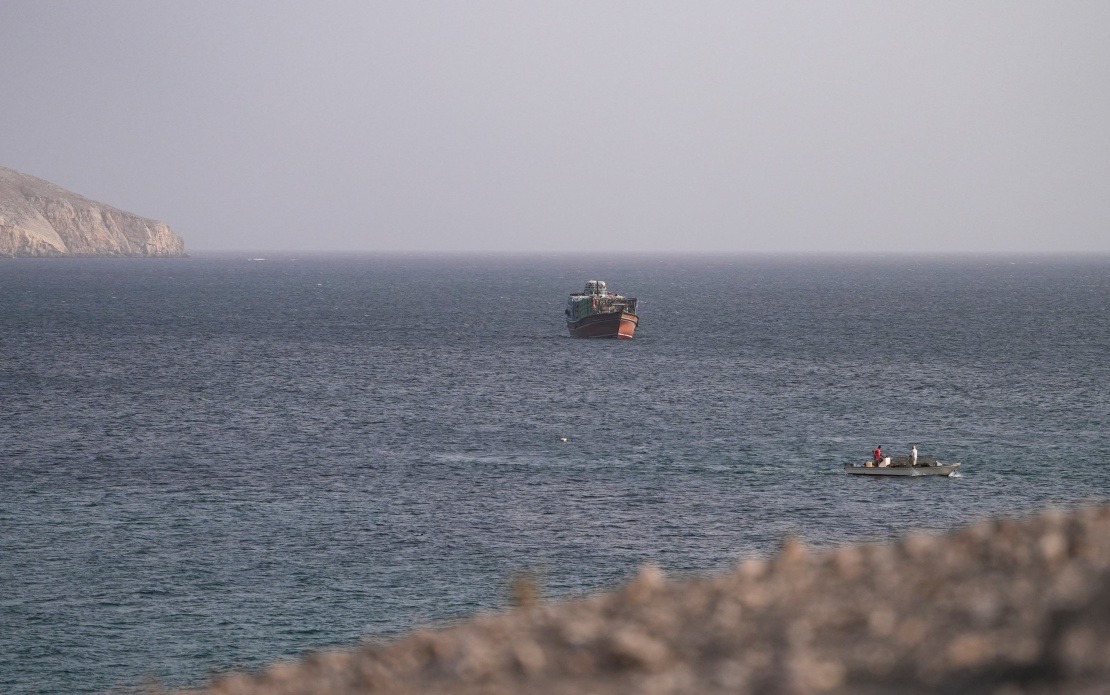
Iran and Oman are moving toward finalising a landmark agreement that would establish new commercial shipping corridors through the Strait of Hormuz, marking a significant shift in how one of the world's most critical maritime passages operates. According to Iranian Deputy Foreign Minister Kazem Gharibabadi, the understanding between the two countries is in its closing stages, introducing what he characterised as a fresh operational model fundamentally different from the status quo maintained over the past six decades.
The proposed arrangement represents more than a simple administrative adjustment. Gharibabadi was careful to clarify that the agreement does not constitute a complete reopening of the Strait, but rather establishes a new framework under which a substantial volume of commercial vessel traffic would be routed through Iranian territorial waters. This distinction carries weight in regional geopolitics, as it acknowledges Iran's geographical position while creating a structured approach to maritime commerce in waters that remain contested in international relations.
The timing of these developments gains significance when viewed alongside concurrent diplomatic overtures between Tehran and Washington. Gharibabadi indicated that Iran has received communications suggesting American willingness to "return to its commitments," though he declined to elaborate on the specific obligations referenced or the channels through which such messages were transmitted. The careful language employed hints at ongoing back-channel negotiations that could reshape regional stability.
For Malaysian and Southeast Asian shipping interests, the implications are substantial. The Strait of Hormuz remains essential infrastructure for global energy and trade flows, with roughly one-third of seaborne crude oil and significant volumes of liquified natural gas passing through its narrow waters annually. Any reconfiguration of established transit arrangements affects insurers, shipping companies, and energy importers across Asia, making these negotiations directly relevant to regional economic stability and supply chain resilience.
One crucial unresolved question concerns whether Iran will attempt to impose transit fees on vessels navigating these new corridors. Gharibabadi stated that this determination hinges on decisions made by Iran's highest authorities and the trajectory of American policy conduct. This formulation creates a conditional framework where Tehran's financial claims remain flexible, dependent on the broader diplomatic climate. The ambiguity itself may serve strategic purposes, allowing Iran negotiating room while signalling restraint to major trading partners.
The involvement of Oman as the primary partner country reflects both practical geography and diplomatic pragmatism. Oman's position at the mouth of the Persian Gulf and its historical role as a regional mediator make it a logical broker for such arrangements. The sultanate's relative neutrality in regional conflicts and its economic interdependencies with both Iran and Western trading partners position it well to facilitate an agreement acceptable to multiple stakeholders.
Gharibabadi's emphasis that this represents a departure from sixty years of existing practice underscores how fundamental these changes potentially are. The current system, though contentious, has developed institutional patterns and maritime law understandings that shipping companies, naval powers, and international bodies have adapted to over generations. Introducing new arrangements requires coordination across multiple actors and adjustment of expectations regarding navigational rights and commercial operations.
The prospective agreement must balance several competing interests. Iran seeks recognition of its maritime sovereignty and potential revenue streams. Commercial shipping operators require predictable, safe passage without excessive costs or unpredictable enforcement. Regional and global powers maintain security concerns about freedom of navigation and ensuring that any new regime does not enable disruption of vital energy supplies. Oman's role in brokering these interests reflects its diplomatic capital as a relatively trusted actor across these dividing lines.
The reference to potential movement on Washington's part introduces uncertainty about whether this agreement might eventually gain tacit or explicit American acceptance. Historical precedent suggests that dramatic shifts in Strait of Hormuz arrangements face significant resistance from Western naval powers and energy-importing allies. However, changing geopolitical circumstances, including shifts in American energy independence and strategic focus, may have altered Washington's calculation regarding Iranian conduct in its own maritime territory.
For Malaysia specifically, developments affecting the Strait of Hormuz matter considerably. As a significant oil importer and hub for regional shipping and energy trading, changes to transit arrangements or fee structures could influence energy costs and supply reliability. Malaysian shipping companies operating in Gulf waters would need to adapt to new operational protocols and potential cost structures, making these negotiations relevant to domestic commercial interests.
The coming days and weeks will be critical for determining whether these nascent agreements solidify into formal arrangements or whether diplomatic progress stalls amid competing demands. Gharibabadi's framing suggests Iranian negotiators view these talks as potentially transformative, though their ultimate success depends on achieving sufficient alignment between Iranian aspirations, Omani mediation, and the positions of major maritime users including Western powers and Asian importers.

