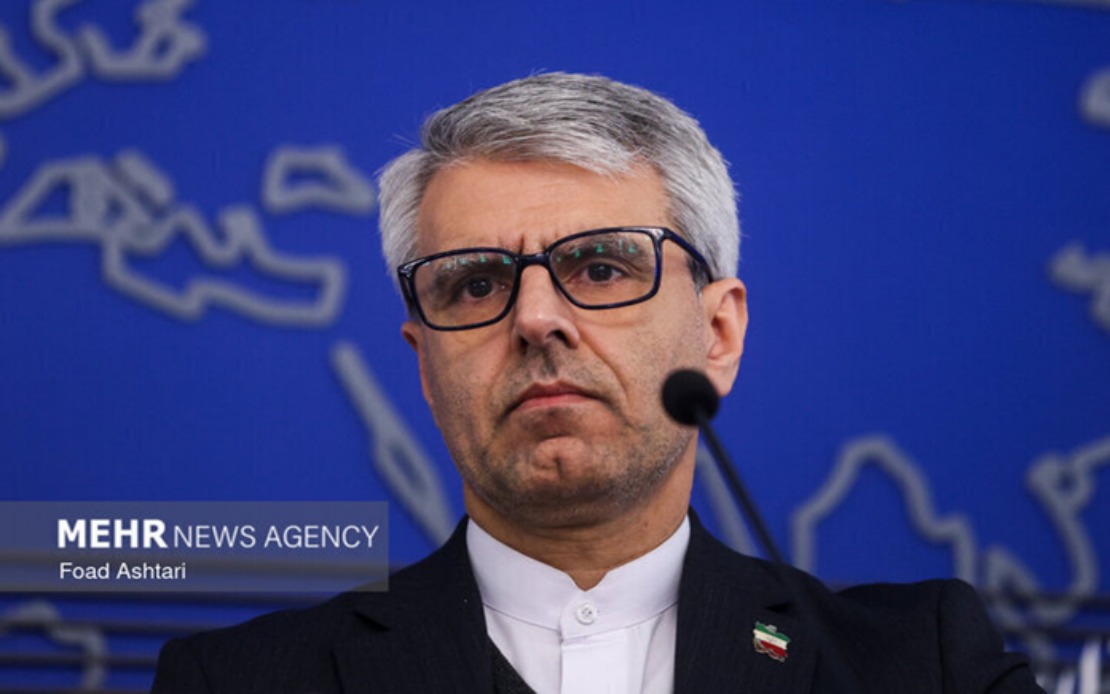
Iran and Oman have committed to maintaining substantive dialogue on the security and management of the Strait of Hormuz, one of the world's most strategically vital waterways. The agreement emerged following discussions between Iranian Foreign Minister Abbas Araghchi and Omani officials, with Iran's Foreign Ministry confirming the bilateral understanding through spokesman Esmaeil Baghaei on Sunday. The two nations plan to engage at multiple levels—political, legal, and technical—to develop a shared framework for ensuring safe passage through the strait, a corridor through which roughly one-third of global maritime oil trade flows.
The timing of these consultations carries considerable significance against a backdrop of heightened regional tensions. Iran's Islamic Revolutionary Guard Corps (IRGC) has previously declared its intention to close the Strait of Hormuz in response to what it describes as American interference in regional affairs, explicitly stating that no vessels would be permitted passage. This provocative stance signals Iran's willingness to weaponise control of the waterway as leverage in its broader confrontation with the United States and its regional allies, creating substantial anxiety among maritime traders and energy-dependent economies across Asia and beyond.
For Malaysia and other Southeast Asian nations reliant on stable energy supplies and predictable shipping routes, the implications of any actual blockade would be severe. The Strait of Hormuz connects the Persian Gulf to the Gulf of Oman and the Arabian Sea, making it the arterial passage for crude oil reaching refineries and liquefied natural gas terminals across the region. Malaysian refineries, petrochemical facilities, and power generation plants depend significantly on Middle Eastern oil imports, meaning any disruption to Hormuz shipping would directly threaten energy security and inflate fuel costs domestically.
The diplomatic engagement between Tehran and Muscat reflects both nations' recognition that military posturing alone cannot resolve the underlying disputes driving regional instability. Oman has historically positioned itself as a neutral mediator in Gulf affairs, maintaining diplomatic relations across ideological divides and serving as a back-channel for sensitive negotiations. By hosting Araghchi's visit on Saturday, Oman reinforced its role as an honest broker, signalling to the international community that pathways toward de-escalation remain open despite the inflammatory rhetoric emanating from various capitals.
Baghaei's statement that future management of the strait should emerge through Iranian-Omani consultations, informed by recent military actions involving the United States and Israel, underscores Tehran's insistence on having a say in regional security arrangements. Iran views itself as the dominant Gulf power and expects recognition of that status in any framework governing the Hormuz passage. This positioning reflects deeper strategic ambitions to reshape the regional order and diminish American influence, transformations that have become increasingly central to Iranian foreign policy under current leadership.
Qatar's participation in these consultations, as a mediating party in Iranian-American dialogue, introduces another diplomatic dimension. Doha has maintained financial and political ties with both Washington and Tehran, giving it credibility with multiple stakeholders. Qatar's involvement suggests that the broader architecture of regional diplomacy, including American-Iranian engagement channels, remains active despite public tensions and military incidents. This multilayered diplomatic engagement offers a faint hope that cooler heads might prevail before miscalculation or escalation spirals into open conflict.
The distinction between political, legal, and technical consultations proposed by Iran and Oman is deliberate and meaningful. Political discussions would address strategic interests and security perceptions; legal talks would explore maritime law, freedom of navigation, and dispute resolution mechanisms; while technical consultations would examine practical arrangements for monitoring, coordination, and incident prevention. This tripartite approach suggests serious intent to move beyond rhetoric toward concrete agreements that could stabilise the waterway.
However, significant obstacles remain. The fundamental dispute between Iran and the West over nuclear programmes, regional proxy activities, and sanctions remains unresolved. Any framework developed between Iran and Oman would need endorsement or at least acquiescence from major powers including the United States, European nations, and Saudi Arabia. Without addressing these deeper grievances, consultations risk becoming mere theatre that produces no durable outcomes.
For Southeast Asian policymakers and energy planners, the priority must be encouraging all parties to prioritise dialogue and maritime stability. ASEAN nations should carefully calibrate their messaging to avoid being perceived as taking sides in what remains fundamentally a great-power competition. Simultaneously, these countries should work through international maritime organisations and bilateral channels to reinforce the principle that the Strait of Hormuz must remain open to international commerce under all circumstances. The economic stakes are too high and the regional spillover effects too unpredictable for passive observation.
The Iranian-Omani consultations also underscore the importance of strengthening alternative energy diversification strategies across Asia. While dialogue proceeds and diplomacy hopefully prevails, prudent nations should accelerate renewable energy adoption, expand liquefied natural gas supply sources beyond the Middle East, and develop regional energy cooperation mechanisms that reduce dependency on any single chokepoint. Such measures provide insurance against both intentional blockades and accidental disruptions that could trigger genuine humanitarian and economic crises.
Regional stability in the Gulf ultimately depends on all stakeholders recognising that military escalation and economic coercion serve no party's long-term interests. The Iranian-Omani commitment to sustained consultations provides a slender thread of hope that pragmatism might eventually triumph over rhetoric, though sustained international engagement will be essential to transform diplomatic words into binding agreements and operational reality.

