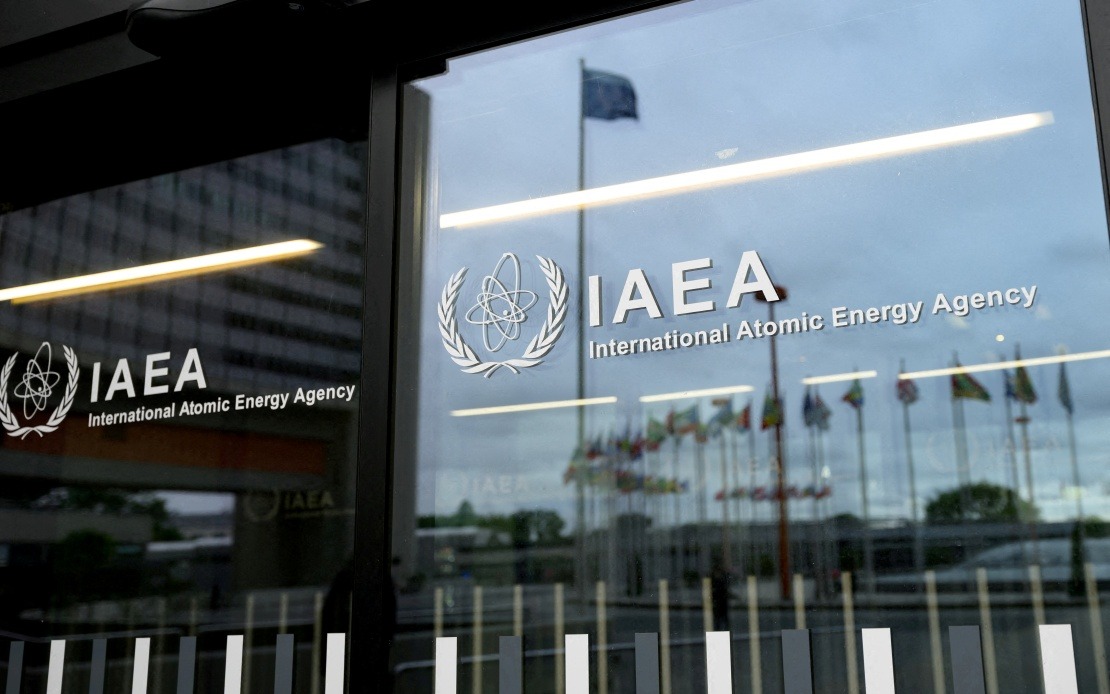
Iran has signalled it will not grant the International Atomic Energy Agency access to its nuclear facilities until a final agreement with the United States is reached and all sanctions are lifted. The position was articulated by Iranian Deputy Foreign Minister for Legal and International Affairs Kazem Gharibabadi, who stated that decisions regarding IAEA inspections would come only as part of a broader settlement framework, not before negotiations are concluded.
Gharibabadi's announcement effectively rebuffs expectations that inspections could proceed during the ongoing negotiation period. The IAEA's Director General Rafael Grossi had suggested that inspections would resume in light of a peace memorandum of understanding signed between Iran and the US on June 18. That agreement outlined a 60-day negotiation window aimed at resolving the nuclear dispute and eliminating sanctions, with substantive talks beginning in Switzerland over the past weekend.
The Iranian diplomat emphasized on social media that inspection access and oversight of nuclear materials would be contingent on "the other party's practical action to terminate all sanctions." This formulation effectively ties IAEA access directly to progress on sanctions relief rather than treating it as a prerequisite or concurrent measure. For Iranian negotiators, the sequencing matters considerably—they appear unwilling to grant transparency concessions before witnessing tangible steps toward normalizing trade and financial relationships with the West.
Additionally, Gharibabadi clarified that no recent meeting took place between Iran's negotiating delegation and Grossi in Switzerland, despite the IAEA chief reportedly requesting such a session. This absence suggests limited coordination between the two mechanisms: the bilateral US-Iran talks and any parallel dialogue with the international atomic watchdog. The lack of engagement underscores the compartmentalized approach Iran is taking, treating the nuclear deal negotiations and IAEA relations as separate discussions rather than intertwined processes.
The backdrop for this standoff involves three major Iranian nuclear complexes—Fordow, Natanz, and Isfahan—which sustained significant damage during recent military strikes. These facilities were targeted by the United States during a 12-day conflict in June 2025, and subsequently again faced attacks when hostilities resumed on February 28 this year following broader regional escalation. The damage to these sites creates both practical and political complications for inspection regimes, as assessing the current state of facilities requires on-site investigation.
From an Iranian perspective, allowing inspectors unfettered access to damaged facilities before any agreement is finalized could yield intelligence about the extent of destruction and Iran's reconstruction efforts—information that might weaken Iran's negotiating position regarding compensation or reconstruction timelines. By conditioning inspections on a final deal and sanctions relief, Tehran effectively maintains leverage over the pace and nature of transparency measures.
The memorandum of understanding itself, signed on June 18, represents a diplomatic breakthrough after extended tensions. The 60-day window specified in the document is considerably compressed compared to previous nuclear negotiations, reflecting both the urgency created by recent military exchanges and perhaps the desire of both parties to reach resolution before further escalation occurs. However, the tight timeline also means disagreements on procedural matters—such as when and how inspections resume—could easily jeopardize overall progress.
For Southeast Asian observers and regional stakeholders, Iran's stance has broader implications. The precedent set by making IAEA inspections contingent on sanctions relief, rather than treating them as standard protocol under any arrangement, signals how nuclear-armed or nuclear-aspiring states might negotiate with international oversight bodies. It also demonstrates Iran's determination to extract maximum concessions during this window when its negotiating leverage appears strongest following recent military demonstrations.
The United States position on this sequencing remains to be clarified publicly, though the agreement to enter 60-day negotiations suggests Washington accepted the framework Iran proposed. Whether American negotiators will ultimately accept Iran's conditionality on inspections or will demand some form of interim monitoring arrangements could become a central point of contention in the weeks ahead. The difference between the IAEA chief's apparent expectation that inspections would proceed and Iran's categorical rejection suggests significant gaps remain in mutual understanding.
Looking ahead, the next phase of negotiations will likely determine whether compromises emerge on this inspection question. Options might include limited, phased inspections; third-party monitoring during the negotiation period; or acceptance of Iran's position that full IAEA access comes only post-agreement. The resolution of this procedural dispute will substantially influence the credibility and effectiveness of any eventual nuclear accord.

