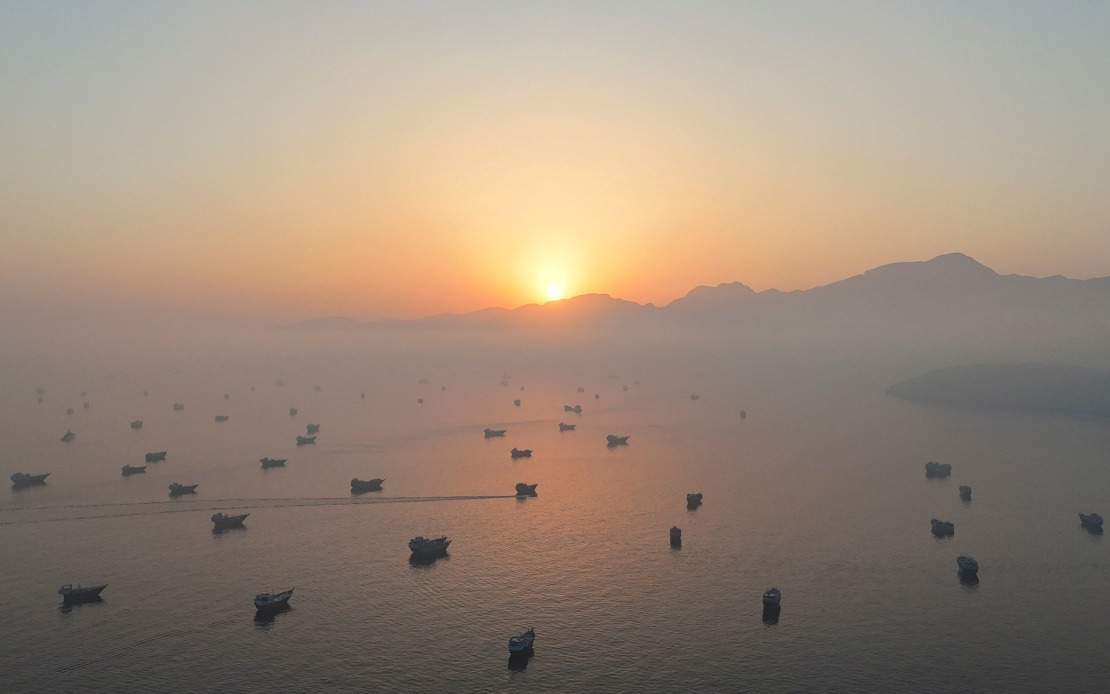
Iran's Foreign Minister Abbas Araghchi declared in Baghdad on June 28 that his nation will exercise exclusive control over maritime traffic through the Strait of Hormuz for the next 30 days, signalling a dramatic shift as the delicate ceasefire arrangement with the United States deteriorates. The announcement came as fresh military escalations between the two powers threatened to unravel months of negotiation efforts aimed at stabilising one of the world's most strategically vital shipping lanes.
The Strait of Hormuz represents a crucial chokepoint for international commerce, with roughly one-fifth of global petroleum shipments passing through its waters annually. Araghchi's assertion of Iranian dominance over the waterway underscores Tehran's willingness to weaponise control of this critical passage as tensions resurface, transforming a navigational channel into a geopolitical flashpoint that directly affects energy security across Asia, Europe, and beyond.
During his press conference in the Iraqi capital, Araghchi emphasised that responsibility for administering the strait rests exclusively with Iran under international law. He warned that any external interference or attempts to establish competing governance structures would heighten regional instability, generate additional friction between nations, and further postpone normalisation of shipping operations through the passage. This language suggests Iranian frustration with perceived international efforts to monitor or regulate traffic through the waterway independently.
The current crisis represents an escalation from February, when Israeli and American military operations against Iranian targets prompted Tehran to deliberately obstruct shipping traffic as a negotiating tactic. By weaponising the strait through explicit threats and coordinated attacks on vessels, Iran demonstrated its capacity to disrupt global energy markets and force diplomatic concessions from Western powers—a lesson both sides appear to have absorbed as hostilities resume.
The recent agreement framework between Washington and Tehran had stipulated a 60-day negotiation period during which Iran would refrain from imposing transit fees on shipping vessels, effectively reopening the passage to international commerce under carefully monitored conditions. This arrangement represented a significant diplomatic achievement, as it balanced Iranian security concerns with international demands for unobstructed trade. However, the apparent breakdown of this accord within months suggests fundamental disagreements persist between the parties regarding implementation, verification mechanisms, and the underlying security guarantees each side requires.
Araghchi's announcement that Iran intends to assume sole administrative responsibility carries profound implications for regional stability and global commerce. Should Tehran follow through on this declaration, it could resurrect the shipping disruptions witnessed earlier in the year, when insurance premiums spiked, shipping companies rerouted vessels through longer and costlier passages around Africa, and energy markets absorbed substantial price volatility. For Malaysia and other Southeast Asian economies heavily dependent on Middle Eastern oil imports and transiting goods, such disruptions translate directly into higher transportation costs and inflationary pressures on consumer goods.
The question of port fees and transit charges emerges as a potential flashpoint in upcoming negotiations with Oman, which Iran plans to conduct within the framework of international maritime law and regional coordination. Analysts suggest that fee structures could become the pivotal issue preventing a sustainable resolution, particularly concerning Iran's legal entitlements under the United Nations Convention on the Law of the Sea and the competing claims of international maritime freedom. Oman's role as a mediator and neighbouring state positions it as crucial to any breakthrough, given its historical relationships with both Iran and Gulf Arab states.
The collapse of the ceasefire reveals deeper structural problems in the US-Iran relationship that transcend immediate military tensions. Trust deficits, competing strategic visions for regional order, and disagreements over verification and enforcement mechanisms all appear to have contributed to the accord's rapid unravelling. Neither side appears willing to make the compromises necessary for a durable settlement, suggesting that control over the Strait of Hormuz will remain contested and volatile for the foreseeable future.
For Southeast Asian policymakers and businesses, the instability surrounding the Strait of Hormuz presents multiple challenges. Supply chain vulnerabilities become apparent when critical waterways face disruption, shipping costs fluctuate unpredictably, and regional partners must navigate between maintaining relations with both the United States and Iran. Malaysian companies engaged in international trade, petroleum refining, and maritime commerce face growing uncertainty about route planning, insurance costs, and delivery timelines for critical imports and exports.
The international community's response to Iran's assertion of unilateral control will significantly shape whether the strait remains functional or descends into another period of disruption. The United States and its allies must balance strategic pressure on Iran with recognition that aggressive confrontation may provoke exactly the shipping closures they wish to prevent. Conversely, Iran must calculate whether asserting control serves its long-term interests or merely invites renewed military intervention and economic sanctions that further isolate and impoverish the nation.
Iran's latest moves reflect both tactical leverage and genuine grievances regarding Western encroachment in its strategic sphere. The country faces security threats from multiple directions and views control over the Strait of Hormuz as essential compensation for its geopolitical vulnerabilities. Without addressing these underlying security concerns through inclusive regional dialogue—potentially involving Gulf Arab states, Turkey, and international powers—the cycle of brinkmanship and disruption will likely persist, keeping global energy markets and Asian economies in a state of perpetual tension.

