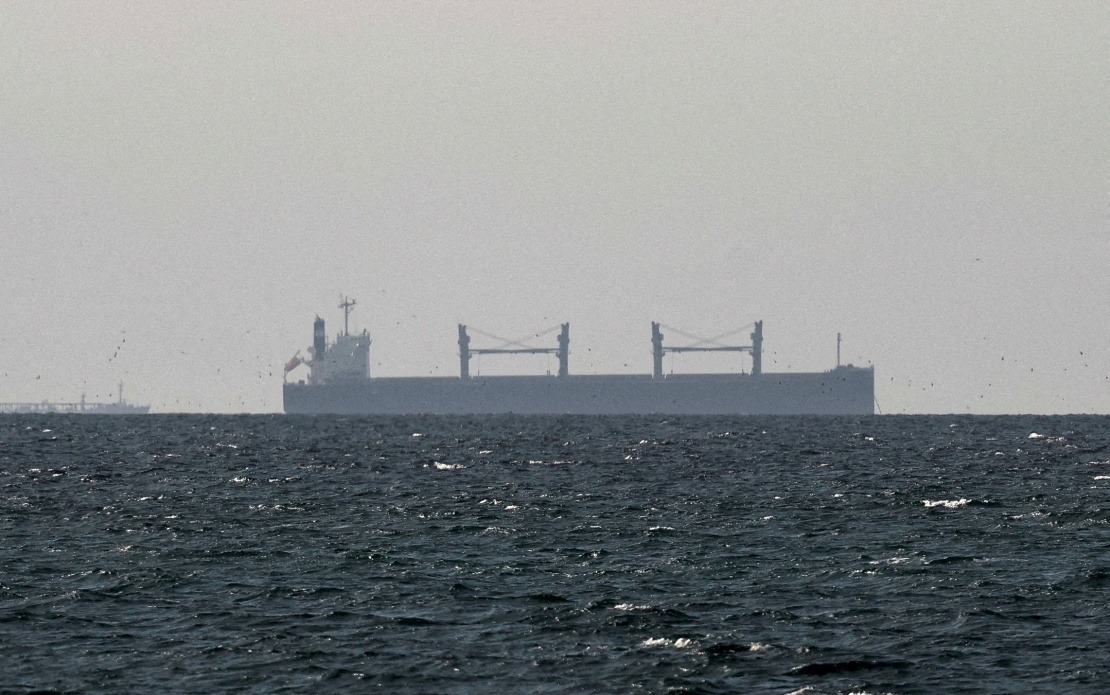
Iran's Islamic Revolutionary Guard Corps has alleged that two oil tankers caught fire and exploded while attempting to traverse a minefield in the southern Strait of Hormuz, according to statements carried by the country's state media outlets on Friday. The incident marks another flashpoint in escalating tensions at one of the world's most strategically important maritime passages, a waterway through which a substantial portion of global energy supplies flows daily.
The IRGC's statement, distributed through Iran's Fars News Agency, included an accusation that United States intelligence agencies had deliberately encouraged the vessels to navigate through the affected area earlier that day. However, the military organisation did not name the tankers involved, offer specifics regarding any potential casualties, or identify their respective flags and ownership structures. International observers and maritime authorities have not yet independently verified these claims, leaving significant uncertainty about what actually transpired in the contested waters.
The strategic importance of the Strait of Hormuz to global energy markets cannot be overstated. This waterway serves as the sole maritime passage connecting the Persian Gulf—where vast oil and natural gas reserves are located—with the Gulf of Oman and beyond to the Arabian Sea. Roughly one-third of all seaborne traded oil and a significant share of liquefied natural gas exports transit through this narrow corridor annually, making it essential to global energy security and international trade flows. Any disruption here reverberates through world markets within hours.
The IRGC's warning that the Strait of Hormuz remains "extremely unsafe" and "completely closed" carries substantial weight given recent regional developments. The military body declared that oil, gas, and chemical fertiliser shipments from the broader region would remain obstructed until United States military operations in the area cease. By framing maritime access as contingent on external political concessions, Iran is attempting to weaponise one of the world's most critical chokepoints to advance its negotiating position.
Further escalating its warnings, the IRGC urged all commercial shipping to avoid the waters entirely, cautioning operators that vessels entering the zone face significant risks including structural damage and potential loss of crew. Such blanket advisories, whether grounded in genuine safety concerns or employed as a pressure tactic, create substantial disruption to global commerce. Shipping companies must weigh insurance costs, route modifications, and delivery delays against the stated dangers. The psychological effect alone of such warnings can influence vessel routing decisions across the industry.
The broader context reveals a region increasingly destabilised by military confrontation between Iran and the United States. Despite a Pakistan-brokered memorandum of understanding signed the previous month that purportedly aimed to end hostilities and establish a durable peace agreement, both parties have continued engaging in tit-for-tat military operations. This pattern suggests that diplomatic initiatives, while significant, have failed to create a genuine de-escalation of underlying tensions or a fundamental shift in strategic calculations on either side.
For Southeast Asian nations including Malaysia, the implications are particularly acute. The region's energy-dependent economies rely heavily on stable oil and gas supplies flowing through the Strait of Hormuz. Any sustained disruption or perceived instability at this chokepoint immediately affects fuel prices, electricity generation costs, and manufacturing competitiveness across the Association of Southeast Asian Nations. The tanker incident, whether confirmed or contested, reinforces concerns among regional policymakers about the fragility of critical supply chains that extend from the Middle East to Asian ports.
The absence of independent verification of Iran's claims underscores the information vacuum that characterises this situation. Neither US officials nor the vessel operators have provided statements clarifying what occurred, lending credibility to questions about whether the incident happened as described or serves primarily as a communication tool in an ongoing war of messaging. This ambiguity itself destabilises markets, as traders and insurers must price in maximum risk when facts remain disputed.
The situation illustrates the dangerous intersection of geopolitical rivalry, energy security, and maritime freedom of navigation. As the United States and Iran remain locked in strategic competition, the world's dependence on Middle Eastern energy resources ensures that the Strait of Hormuz will remain a focal point of vulnerability. Insurance costs for transiting vessels rise, route alternatives that divert around Africa become economically feasible for some shippers, and the long-term security of the global energy system faces structural challenges that transcend any single incident.
Regional governments, particularly those in Southeast Asia with significant exposure to energy price shocks, must closely monitor developments and consider policy responses that reduce vulnerability to Middle Eastern supply disruptions. This might include accelerating renewable energy transitions, diversifying energy sources away from Middle Eastern suppliers, or strengthening multilateral forums capable of mediating regional disputes before they threaten global stability. Until genuine diplomatic breakthroughs occur between Washington and Tehran, the Strait of Hormuz will remain a zone of elevated risk where commercial interests perpetually intersect with military tensions.

