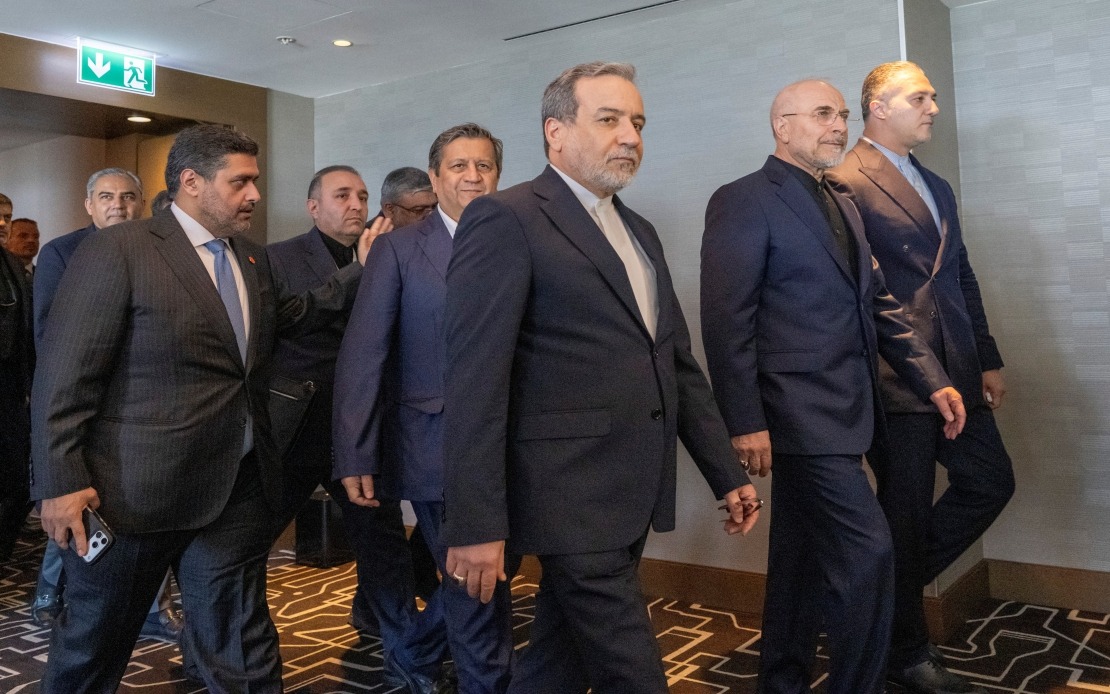
Iran's chief negotiating delegation departed Switzerland for Tehran on Monday following nearly 18 hours of substantive talks with American counterparts at the Lake Lucerne Summit in Burgenstock. The team, led by Parliament Speaker Mohammad Bagher Qalibaf, wrapped up discussions that represented a significant diplomatic engagement between two nations whose relations have remained strained for decades. The departure marked the conclusion of what both mediators and participating parties characterized as a productive round of negotiations aimed at addressing longstanding nuclear and geopolitical tensions.
The negotiations, facilitated by Qatar and Pakistan acting as intermediaries, unfolded against a backdrop of cautious optimism regarding the prospects for breakthrough diplomacy. Officials from both mediating countries jointly stated that discussions had transpired in what they termed a "positive and constructive atmosphere," language typically deployed when diplomatic channels show genuine potential for advancement. This characterization carried particular weight given the historical volatility of Iran-US relations and the complexity of nuclear proliferation concerns that have dominated bilateral discourse for nearly two decades.
One of the most concrete outcomes from the intensive bargaining sessions was agreement on structural mechanisms designed to facilitate continued momentum toward a comprehensive settlement. The parties established a high-level committee tasked with overseeing the negotiation process at the most senior levels, ensuring that discussions transcend technical minutiae and encompass broader strategic considerations. Simultaneously, they formed specialized technical working groups dedicated to resolving specific outstanding issues, a pragmatic approach that allows negotiators to compartmentalize complex problems and make targeted progress rather than treating all matters as indivisible.
Perhaps most significantly, the delegations established a 60-day roadmap establishing clear benchmarks and timelines for achieving a final agreement. This structured timeline demonstrates commitment from both sides to move beyond indefinite rounds of dialogue and establish concrete deadlines for resolution. For Malaysia and other Southeast Asian nations tracking these developments, such frameworks are critical indicators of whether diplomacy will yield substantive results or devolve into perpetual negotiations that fail to resolve underlying disputes.
The establishment of technical working groups signals that negotiators will continue addressing substantive matters in the coming weeks, with detailed discussions scheduled for later in the week following the delegation's return to Tehran. These technical sessions typically involve lower-level experts who can engage in granular discussions about verification protocols, sanctions architecture, nuclear facility inspections, and other specialized matters requiring specialized knowledge. The distinction between high-level political negotiations and technical problem-solving reflects mature diplomatic practice, allowing political leaders to maintain flexibility on overarching principles while experts work through implementation details.
For the broader Middle Eastern region and countries like Malaysia with significant energy import interests, the implications of successful Iran-US negotiations extend well beyond bilateral relations. Any comprehensive nuclear agreement would likely involve sanctions relief, potentially stabilizing global oil markets that have remained sensitive to Iranian geopolitical positioning. Malaysia's energy security, dependent partly on Middle Eastern petroleum supplies, could benefit from a more stable regional environment and normalized Iranian economic participation in global trade.
The involvement of Qatar and Pakistan as mediating powers reflects their respective regional positions and diplomatic relationships. Qatar has maintained channels to both American and Iranian interlocutors, while Pakistan's long-standing ties with Tehran and strategic importance to Washington make it a credible intermediary. Their joint characterization of the talks as encouraging carries weight, particularly coming from nations without obvious partisan interests in the outcome and possessing institutional knowledge of both parties' negotiating positions.
The intensive nature of the talks—spanning nearly 18 hours of consecutive engagement—suggests that delegations ventured beyond scripted positions and engaged in substantive problem-solving. Such marathon sessions typically indicate that negotiators have moved past rhetorical positioning and begun wrestling with the practical compromises necessary for agreement. The fatigue associated with extended negotiations often correlates with genuine diplomatic progress, as positions harden or soften in response to real concessions and counteroffers rather than prepared statements.
What remains unclear is whether the encouraging progress achieved during this summit will withstand the scrutiny and domestic political considerations both sides must navigate. Iran's parliament and supreme leadership must ultimately endorse any agreement, while American domestic political constraints and Congressional skepticism about Iran deals continue to complicate negotiations from the US side. The 60-day timeline establishes pressure for resolution, but experienced observers of Iran-US relations recognize that diplomatic breakthroughs frequently encounter unexpected obstacles in final phases when implementation details demand concrete commitments.
For Southeast Asian observers and policymakers, these negotiations merit close attention regardless of initial optimism. A normalized Iran would represent a significant geopolitical shift affecting regional power balances, energy markets, and international trade patterns. Conversely, failed negotiations might trigger renewed tensions, potentially drawing external powers into regional conflicts and destabilizing the broader environment that Southeast Asian nations depend upon for their prosperity and security.