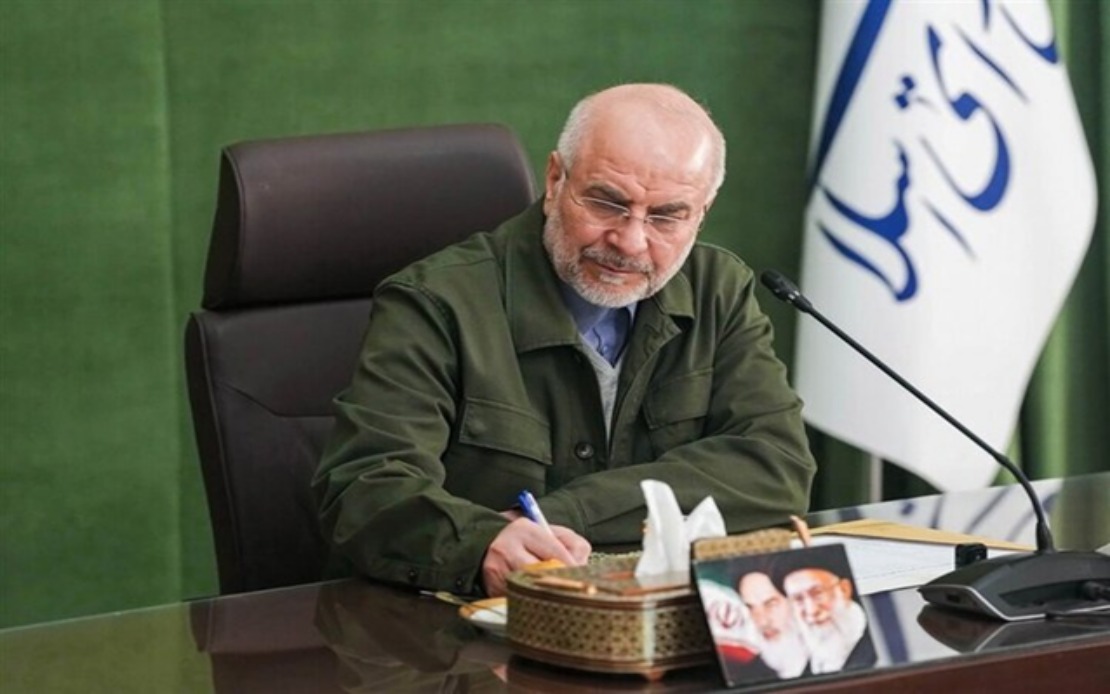
Iran's Parliament Speaker Mohammad Bagher Ghalibaf has firmly denied assertions from Washington that Tehran intends to deploy its recently unfrozen financial reserves exclusively for purchases of American agricultural commodities, marking a fresh point of contention in the delicate nuclear negotiation process unfolding between the Islamic Republic and the United States. The rebuke, posted on social media platform X on Thursday, underscores deepening divisions over the strategic deployment of released funds despite both nations ostensibly moving toward a comprehensive settlement on Iran's atomic programme and international sanctions relief.
Ghalibaf, who holds considerable sway as a principal Iranian negotiator, characterised American proclamations as fundamentally misleading. His sharp response—"America falsely claims our unfrozen assets will buy their agriculture. Interesting. The only crop we're harvesting is what you planted: decades of mistrust"—carries layers of historical grievance, reflecting Tehran's long-standing resentment over Washington's previous economic coercion and the institutional suspicion that colours bilateral ties. The symbolic language deployed here illustrates how economic negotiations remain inextricably bound to broader narratives of mistrust and historical injustice that permeate Iran-US relations.
The dispute centres on contrasting visions articulated recently by senior American officials. Vice President JD Vance asserted on Monday that the released Iranian assets could flow toward acquiring American soybeans, corn, and wheat. President Donald Trump subsequently escalated the positioning on Tuesday by proposing that these funds be deposited into a US-controlled escrow account and earmarked exclusively for purchasing American food and medical supplies, including the aforementioned agricultural products. This framework effectively positions Washington as custodian of Tehran's own money, a concept that proves deeply objectionable to Iranian leadership and resonates poorly domestically.
Responses from multiple tiers of Iran's governmental apparatus have been remarkably consistent in their rejection of such external constraints. Iran's Foreign Ministry spokesperson Esmaeil Baghaei declared on Tuesday that his nation would deploy the unfrozen resources entirely in accordance with its own national interests, categorically rejecting any external restrictions on purchasing decisions. Baghaei emphasised that Tehran would select suppliers purely on the basis of competitive pricing and product quality—standard commercial criteria that implicitly challenge the notion that political considerations should override economic rationality.
Further reinforcing this position, Iran's Central Bank Governor Abdolnaser Hemmati acknowledged that his country harbours no legal or strategic obligation to purchase American agricultural goods whatsoever. However, Hemmati added pragmatically that Iran would not automatically exclude US products from consideration if American suppliers offered competitive advantages in terms of price and value. This measured formulation preserves Tehran's autonomy while acknowledging economic realities, suggesting Iranian officials recognise genuine utility in engaging with American markets if commercial conditions warrant such engagement.
The underlying tension reflects the ambitions and constraints operative in the current diplomatic framework. Both parties signed a memorandum of understanding on June 18 establishing a sixty-day negotiating window during which comprehensive discussions would address Iran's nuclear activities and the removal or modification of international sanctions. The most recent round of substantive talks occurred in Switzerland on Sunday and Monday, indicating that despite rhetorical clashes, operational diplomacy continues at technical levels.
For Malaysian and Southeast Asian observers, these disputes carry particular significance given the region's economic dependencies and its delicate balancing act between great power competition. Iran's oil and gas exports traditionally flow toward Asian markets, particularly China and India, making energy security calculations central to regional prosperity. Any settlement that genuinely opens Iranian markets to international commerce could reshape regional supply chains and trade patterns. Conversely, if negotiations collapse, renewed sanctions would further restrict Iranian participation in global commerce, potentially inflating energy costs across Asia and intensifying geopolitical fragmentation.
The disagreement over asset deployment mechanisms also illuminates fundamental questions about sovereignty and trust in international financial arrangements. Iran's resistance to depositing its own money into American-controlled accounts reflects broader global anxieties about weaponisation of financial systems and the asymmetric power dynamic wherein Washington can freeze and subsequently dictate conditions regarding the deployment of foreign assets held within American jurisdiction. These concerns resonate throughout the developing world, where nations worry about over-dependence on dollar-denominated systems and US financial infrastructure.
The sixty-day negotiating window established by the June 18 memorandum remains fluid and contestable. While both sides express commitment to achieving a comprehensive agreement, the frequency and intensity of public disputes suggest underlying disagreements about fundamental objectives remain substantial. Iranian officials appear intent on maximising autonomy over asset deployment and challenging what they perceive as American overreach, whilst Washington appears determined to ensure that released funds serve American commercial and strategic interests.
The path forward likely depends on whether negotiators can compartmentalise these symbolic disputes whilst progressing on core technical matters related to nuclear verification, sanctions architecture, and timeline mechanisms. History suggests that successful Iran-US negotiations require both sides to accept face-saving formulations that preserve domestic political viability whilst accommodating genuine security concerns. Whether current negotiators possess sufficient flexibility and creativity to construct such arrangements remains uncertain as the June deadline approaches.

