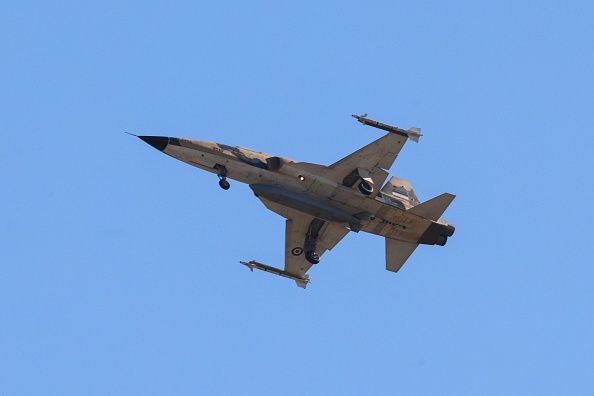
Tensions between Iran and its Gulf neighbours are intensifying over the fate of Iranian military personnel, with Tehran demanding unprecedented access to Qatar to investigate circumstances surrounding missing pilots and escalating accusations against Kuwait regarding four detained nationals. The dispute highlights the fragile diplomatic relationships across the Persian Gulf region and the unresolved complications arising from military incidents that occurred months earlier.
According to Iranian military officials, an Iranian Air Force expert team has been in a holding pattern for months, awaiting permission from Qatar to enter the country and conduct a comprehensive investigation into what Tehran contends was the unlawful capture of its pilots. Mohammad Baqerzadeh, who heads the Committee for the Search for Missing Persons within Iran's Armed Forces General Staff, asserted that Qatari authorities had repeatedly postponed the investigation and obstructed the return of the detained pilots to Iranian soil. His statements, carried by the semi-official Tasnim news agency, represent an escalation in rhetoric from Tehran, moving beyond requests for information toward accusations of deliberate obstruction.
The underlying incident occurred in March when Iranian aircraft crossed into Qatari airspace without proper authorisation. Qatar's account differs sharply from Iran's portrayal: Doha maintains that when the aircraft violated its airspace, Qatari search and rescue teams attempted multiple contacts without receiving responses. Following this breach, Qatar's teams ultimately discovered and recovered the remains of one pilot, according to official Qatari statements issued on Saturday. This fundamental disagreement over what transpired—whether pilots were captured or deceased—forms the crux of the current standoff.
Qatar has maintained consistent messaging regarding its handling of the matter. The emirate asserted that it made genuine attempts to coordinate with Iran for the handover of the recovered remains, and extended an invitation for Iranian officials to examine and review documentation from its search and rescue operations. However, from Doha's perspective, Tehran has provided no substantive response to these overtures, effectively stalling resolution efforts. This claim of Iranian non-engagement contradicts Tehran's narrative that it has been systematically denied access and information.
The standoff carries regional significance at a time when Gulf states are cautiously navigating their relationships with Iran following the nuclear agreement and subsequent tensions. For Malaysia and other Southeast Asian nations observing regional dynamics, the dispute underscores how quickly military incidents can calcify into diplomatic stalemates without transparent international mediation mechanisms. The absence of diplomatic headway after months suggests deep underlying mistrust between the parties.
Parallel to the Qatar situation, Iran has opened a second front by accusing Kuwait of similarly withholding crucial information about the status and treatment of four Iranian nationals currently in Kuwaiti custody. Tehran characterises these four individuals as members affiliated with the Islamic Revolutionary Guards Corps who were engaged in routine maritime patrol operations. According to the Iranian narrative, they inadvertently entered Kuwaiti territorial waters due to a navigation system malfunction—a circumstance that Tehran presents as an understandable technical failure rather than a deliberate violation.
Kuwait contests this interpretation entirely. Kuwaiti authorities have publicly maintained that the four detained individuals are suspected of planning hostile military actions against the state, elevating the characterisation from trespassing to a potential security threat. This May incident has festered without public resolution, and Iran's recent demand for information suggests Kuwait has provided minimal transparency regarding the detainees' conditions, legal status, or intentions. The divergent threat assessments reveal how each nation frames identical circumstances through its own security lens.
Baqerzadeh's call for intervention by the International Committee of the Red Cross represents an attempt to internationalise the dispute and inject an impartial observer into what has become a bilateral impasse. The ICRC's mandate to monitor the treatment of detained persons and investigate incidents could theoretically provide both transparency and pressure on both sides to comply with humanitarian standards. However, whether Qatar and Kuwait would grant such access remains uncertain, particularly given their stated positions that information has already been offered and that Iran bears responsibility for non-engagement.
The timing of Iran's renewed emphasis on these cases suggests a strategic decision to consolidate grievances into a broader narrative about Gulf state conduct. By linking the Qatar and Kuwait situations publicly, Tehran attempts to establish a pattern of alleged obstruction and mistreatment that transcends individual incidents. This approach may be designed to mobilise regional and international opinion, though it risks further entrenching positions if Qatar and Kuwait view such escalation as unfounded.
For observers in Southeast Asia, the dispute illustrates enduring complexities in managing state-to-state relations following security incidents in shared spaces. The absence of clear protocols for investigating airspace violations or maritime incursions—and determining accountability—allows each party to narrate events according to its interests. Malaysia, with its own maritime border complexities and experiences managing sensitive defence matters, might find instructive lessons in how this regional impasse could be resolved through structured dialogue, third-party verification mechanisms, or humanitarian frameworks rather than continued public recriminations.
The fundamental question underlying both cases concerns the proper balance between security concerns and transparency obligations. Qatar and Kuwait argue they have taken responsible security measures based on perceived threats. Iran contends that legitimate explanations for the incidents have been dismissed and that information is being weaponised politically. Without sustained diplomatic engagement backed by credible mediation or multilateral pressure, these positions appear unlikely to reconcile through current channels, leaving the fates of the detained personnel in prolonged limbo.

