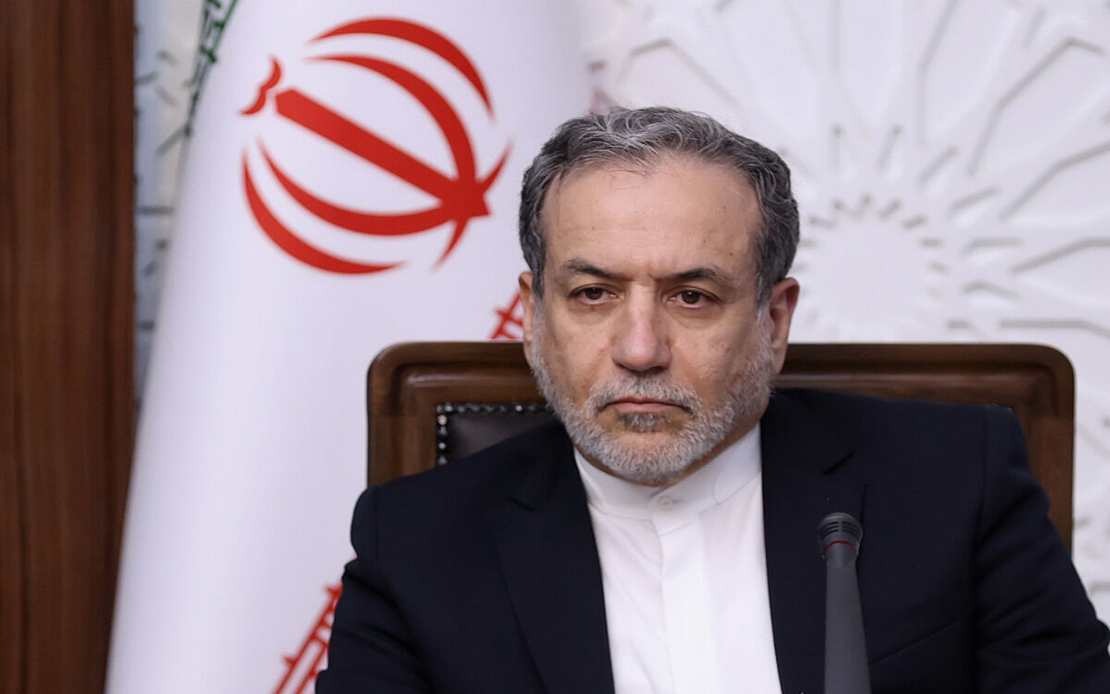
Iran is intensifying diplomatic engagement with key regional players Pakistan and Qatar as part of a broader effort to lower tensions that have escalated following military confrontations with the United States and Israel. On Tuesday, Iranian Foreign Minister Abbas Araghchi conducted separate telephone conversations with Pakistan's Army Chief, Field Marshal Asim Munir, and Qatari Foreign Minister Mohammed bin Abdulrahman Al Thani, according to statements released by Iran's Foreign Ministry. Both conversations reflected Tehran's commitment to resolving disputes through dialogue rather than military means, signalling a potential shift towards constructive engagement after months of tit-for-tat strikes between Iranian and American-led forces.
During his exchange with Field Marshal Munir, Araghchi underscored the importance of maintaining regular consultations and coordinated initiatives to foster regional stability and prosperity. Pakistan's strategic location between the Middle East and South Asia makes it a natural intermediary in regional disputes, and its military establishment wields considerable influence over foreign policy decisions. The willingness of Pakistan's top military officer to engage in these discussions suggests Islamabad recognises the dangers of further escalation and wishes to position itself as a constructive force rather than allowing external powers to dictate outcomes in its neighbourhood.
The conversation with Qatar's Foreign Minister focused on leveraging diplomatic channels and ensuring sustained coordination to prevent further military confrontations. Qatar, which hosts the United States Central Command and maintains close ties with Iran despite regional divisions, occupies a unique diplomatic position that allows it to communicate with all major stakeholders. Al Thani's emphasis on maintaining open communication reflects Qatar's traditional role as an honest broker in Middle Eastern disputes, a function that has become increasingly valuable as direct American-Iranian contact remains limited and fraught with suspicion.
Central to these diplomatic discussions is a newly proposed framework for maritime cooperation in the Strait of Hormuz, which Oman and Iran announced following a high-level meeting between their foreign ministers in Tehran. The framework envisions establishing a temporary joint shipping corridor through these critical waters and jointly clearing mines from the waterway. This initiative represents a significant development, as it addresses one of the most contentious issues preventing broader regional accord—the question of who controls access to one of the world's most strategically important sea routes.
Qatar explicitly pledged its full backing for diplomatic initiatives aimed at resolving the maritime navigation crisis and achieving lasting regional peace. Al Thani characterised Qatar's position as supporting any solution that guarantees unobstructed maritime traffic and creates conditions for comprehensive regional stability. This declaration carries weight given Qatar's economic interests in maintaining global shipping stability and its role as a major energy exporter dependent on secure maritime routes.
The timing of these diplomatic initiatives coincides with American assertions regarding mine-clearing operations in the Strait of Hormuz. US President Donald Trump stated that the American Navy had successfully removed or detonated all mines in international waters of the strait, a claim that appears designed to support Washington's preference for southern shipping routes near Omani waters rather than Iranian-controlled passages. This American position reveals a fundamental disagreement about maritime management that has obstructed previous attempts at reconciliation.
The underlying tensions driving current diplomacy stem from escalating military exchanges between Iran and the US-Israeli alliance. In late February, the United States and Israel launched a coordinated military operation against Iran, prompting Tehran to respond with direct strikes against Israeli and American military installations across the region. The cycle of retaliation continued in June when American forces resumed military operations, met once again by Iranian counterattacks on American assets in allied Arab states. These repeated exchanges have raised fears of miscalculation spiralling into broader conflict.
Previous diplomatic efforts have achieved limited success, though not without moments of progress. In mid-June, the US and Iran, with crucial mediation by Pakistan and Qatar, signed a memorandum of understanding intended to reduce tensions. However, implementation of this agreement stalled due to competing visions of how maritime traffic through the Strait of Hormuz should be managed. Washington's insistence on maintaining its economic blockade of Iranian ports while opposing any Iranian role in managing shipping through contested waters created an impasse that diplomatic language alone could not overcome.
The Strait of Hormuz represents far more than a local maritime concern for countries throughout Southeast Asia and beyond. Approximately one-third of all seaborne traded oil passes through these waters annually, making any disruption to shipping a global economic concern. Malaysian companies and exporters depend on uninterrupted access to these routes, as do nations throughout the region that rely on energy imports and international trade. Regional conflicts that threaten strait security therefore carry direct implications for Malaysia's economic stability and energy security.
The current diplomatic engagement differs from previous attempts in its emphasis on practical cooperation rather than grand frameworks. The focus on concrete measures like joint mine-clearing operations and temporary shipping corridors suggests negotiators are attempting to build trust through manageable, achievable steps rather than pursuing comprehensive political settlements that remain distant. This incremental approach may prove more durable than previous attempts that foundered on fundamental disagreements about Iran's regional role.
For Pakistan and Qatar, these diplomatic efforts reflect their respective interests in preventing further deterioration that could destabilise their own regions and disrupt their economic interests. Pakistan, facing its own security challenges and economic pressures, benefits from reduced regional conflict that might otherwise draw Pakistani territory into broader Middle Eastern disputes. Qatar similarly recognises that continued escalation threatens the stability upon which its prosperity and influence depend.
The outcome of these diplomatic initiatives remains uncertain, particularly given the structural obstacles that have prevented agreement on maritime management and the broader US-Iran competition for regional influence. Nevertheless, the fact that all parties continue engaging diplomatically, rather than allowing confrontation to escalate unchecked, suggests recognition of the catastrophic costs that broader conflict would impose. For Malaysia and other regional economies dependent on Middle Eastern stability, the success or failure of these diplomatic efforts carries immediate material consequences that deserve careful attention.

