Iran has firmly rejected proposals from US President Donald Trump to pursue fresh negotiations without first securing a ceasefire agreement, instead laying down specific preconditions centred on maritime commerce and petroleum sales that must be addressed before meaningful dialogue can resume. The Iranian stance represents a significant hardening of positions just as diplomatic channels face renewed strain from military escalations in the region, threatening to derail tentative progress toward broader conflict resolution.
Trump's Friday evening communications suggested openness to continued discussions with Tehran, yet simultaneously carried stark military warnings that undermine any message of diplomatic flexibility. In a social media statement, the US President explicitly threatened to launch "1000 Missiles" at Iran should the nation act on stated intentions to harm him, framing the threat in distinctly personal terms that reflect the intensity of current US-Iran animosity. This rhetorical escalation followed reports that Israeli officials had informed Trump of what they characterized as an Iranian assassination plot, creating a tense backdrop for any negotiation attempts.
Iranian authorities, according to reporting from the semi-official Fars news agency citing unnamed but informed sources, have signalled that Washington must first demonstrate commitment to previously negotiated understandings before substantive talks can commence. This conditional approach represents Tehran's attempt to extract concrete concessions before re-engaging, a negotiating posture that reflects deep mistrust of American commitments and a determination to avoid being drawn into further discussions without securing tangible gains.
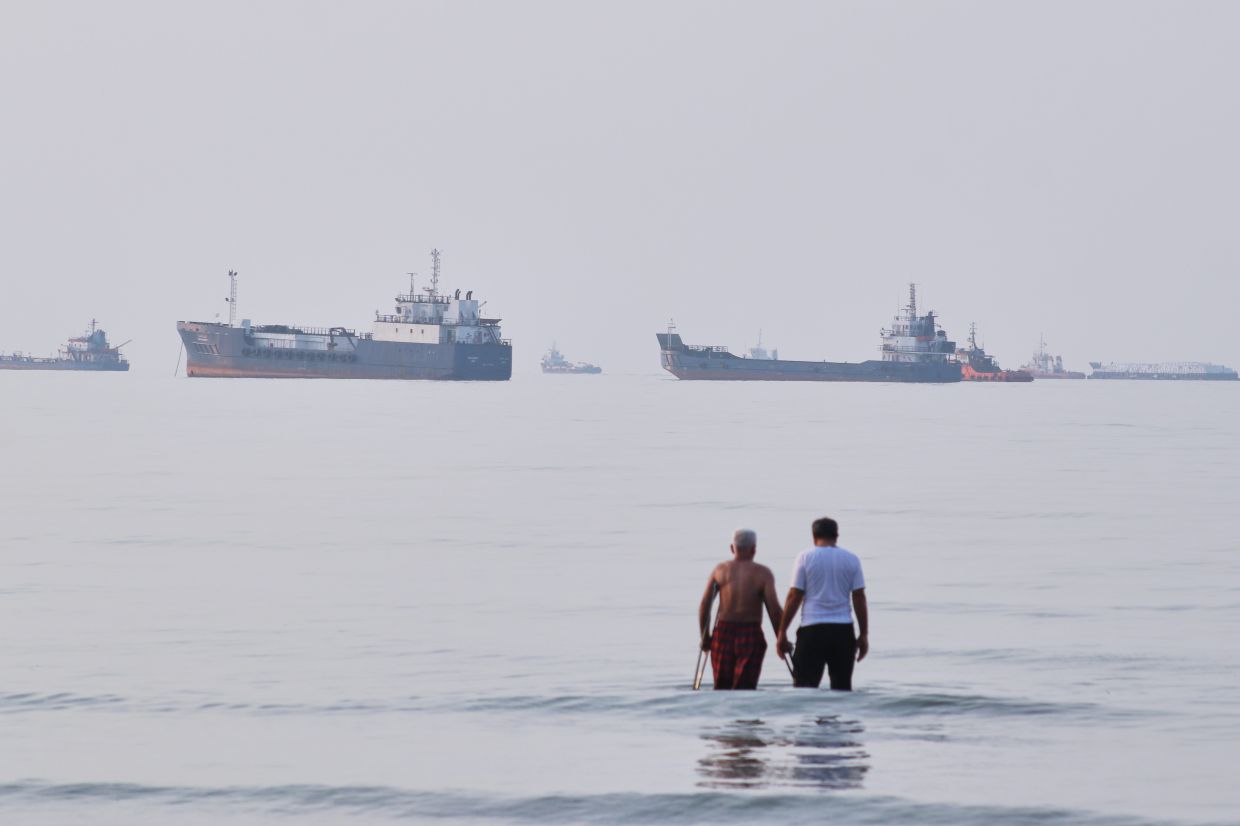
The specific demands articulated by Iran centre on two interconnected issues vital to the nation's economic survival: unimpeded access to the Strait of Hormuz for commercial shipping and the restoration of global oil export capabilities. These concerns are hardly abstract; the Strait of Hormuz remains one of the world's most critical energy arteries, with roughly one-third of global maritime petroleum trade passing through its waters. For a nation whose economy depends heavily on hydrocarbon revenues, any restrictions on maritime transit or oil sales represent existential economic threats.
Simultaneously, senior officials within the Trump administration have demanded that Iran issue public declarations guaranteeing that all Hormuz Strait channels remain accessible to international shipping and that Tehran will refrain from targeting civilian vessels transiting the waterway. American officials, speaking anonymously to journalists, warned that Iran faces unspecified consequences should it fail to provide such assurances. This demand for public commitment appears designed to extract diplomatic concessions that could be presented as Iranian capitulation, potentially complicating Tehran's domestic political standing.
The current standoff has been precipitated by an alarming cycle of military actions that have rattled regional stability and global energy markets. Multiple nights of American airstrikes targeting Iranian positions were met with retaliatory Iranian strikes against US military installations throughout the region, escalating a confrontation that had appeared to be moving toward de-escalation. These exchanges have pushed oil prices noticeably higher, affecting economies across Asia, including Malaysia's energy sector. Trump himself declared on Friday that the ceasefire agreed between Washington and Tehran in mid-June should be considered defunct, effectively removing the diplomatic framework that had constrained the most dangerous military actions.
The American decision to revoke a waiver that had previously permitted Iran to conduct global oil sales represents perhaps the most economically damaging element of current policy. Combined with renewed accusations that Iran has attacked shipping vessels in the Strait of Hormuz, this escalation has created what many analysts regard as the most severe crisis to the fragile truce since its establishment. Iran has countered American accusations by conducting strikes of its own against regional American military facilities, creating a dangerous feedback loop of action and retaliation.
Despite these troubling developments, American officials indicated that they anticipate technical-level discussions with Iranian counterparts will proceed. This suggests that beneath the heated rhetoric and military posturing, both sides retain interest in exploring diplomatic pathways, though the prerequisites and red lines have hardened considerably. Iranian Foreign Minister Abbas Araghchi's travel to Oman on Saturday for discussions regarding Hormuz's future indicates that Tehran remains willing to engage through back-channel diplomacy, even as official positions harden.
The political context within Iran adds significant complexity to these negotiations. The nation is observing an extended three-day memorial ceremony honouring Ayatollah Ali Khamenei, whose death during what Iran characterizes as an American and Israeli attack in late February fundamentally altered the country's leadership structure and its approach to Western engagement. Mojtaba Khamenei, who has assumed the Supreme Leader position following his father's death, called publicly on Saturday for revenge, declaring it an "undeniable duty" to respond to the assassination.
Mojtaba's pronounced absence from public view or video appearances since assuming office has generated considerable international speculation regarding the severity of injuries he sustained during the February attack and his capacity to conduct complex negotiations with American counterparts. While Iranian officials acknowledge he was wounded but insist he remains actively engaged in decision-making throughout the conflict, the lack of public visibility raises legitimate questions about his authority and negotiating power. This uncertainty within Iran's leadership structure complicates the diplomatic landscape considerably, as it remains unclear whether he possesses sufficient authority to bind the nation to any negotiated settlement, or whether hardliners within Tehran's security establishment might constrain his negotiating flexibility.
For Southeast Asian observers, these developments carry significant implications beyond simple geopolitical interest. Malaysia, as a major importer of oil and a nation dependent on stable maritime commerce through regional chokepoints, faces direct economic consequences from Hormuz instability. Any further escalation that restricts oil supplies or increases energy prices will ripple through the region's economies. Additionally, renewed US-Iran confrontation complicates the delicate regional balance that Southeast Asian nations have sought to maintain through non-alignment, potentially forcing uncomfortable choices regarding international positioning during an increasingly tense period.

