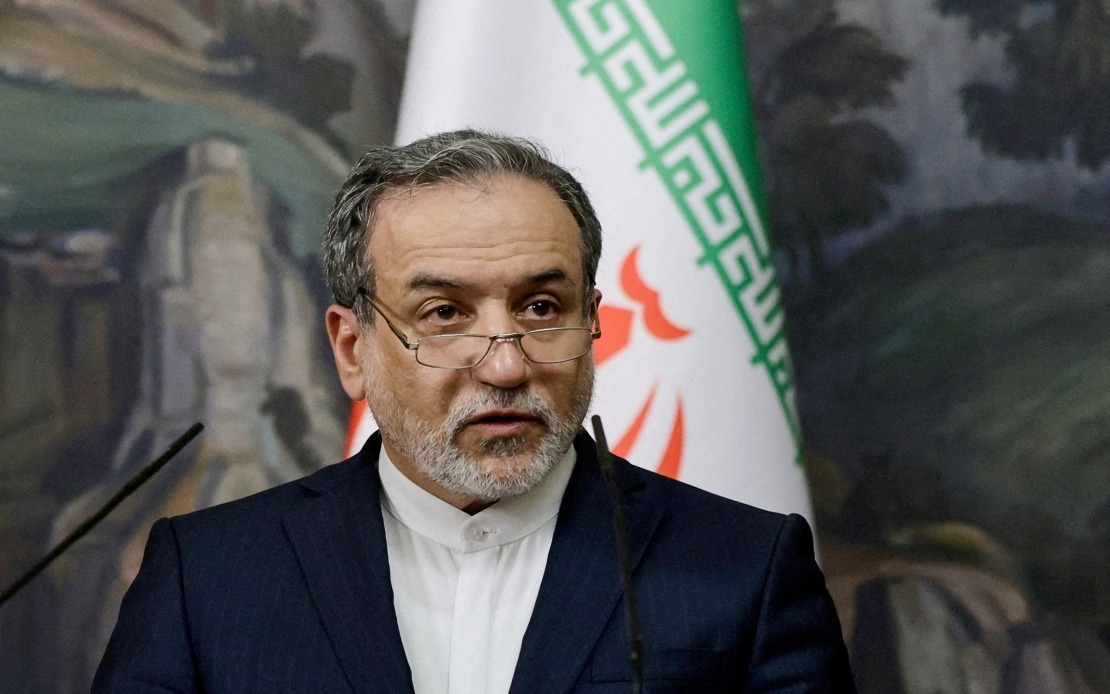
Iran remains uncommitted to restarting dialogue with the United States, according to Foreign Minister Abbas Araghchi, who sought to clarify the distinction between diplomatic communications conducted through third parties and formal negotiations. Speaking in Istanbul on August 15, Araghchi addressed growing speculation about the status of Iran-US relations following the June Islamabad memorandum, which Pakistan helped broker as a framework agreement between the two nations.
Araghchi's comments underscore the fragile and semantically nuanced nature of current diplomatic contact. While Qatar and Pakistan continue to relay messages between Tehran and Washington, the Iranian foreign minister was emphatic that such indirect communication channels should not be construed as meaningful negotiations. The careful parsing of language reflects the deep distrust that persists between the two countries, with each side watching closely for signs that the other is breaching agreed parameters or preparing for escalation.
A key point of contention centres on the interpretation of the Islamabad memorandum itself. Araghchi rejected Western media reports suggesting that the agreement contained a 60-day ceasefire provision requiring extension. Instead, he characterised the original document as establishing an end to active conflict rather than a temporary pause in hostilities. This distinction carries significant weight: a ceasefire implies an expectation of resumption, while an end to war suggests a more permanent arrangement. According to Araghchi, the 60-day period referenced in the memorandum was intended as a negotiating window during which both parties would work towards a lasting settlement.
The breakdown of this framework is evident in Araghchi's assertion that the United States violated the memorandum, prompting renewed fighting. From Iran's perspective, Washington abandoned the agreement first, removing any obligation for Tehran to maintain compliance or extend any supposed ceasefire arrangement. This narrative will resonate differently across the region—Gulf states concerned about stability may view Iran's intransigence with alarm, while Tehran's allies may see it as a justified response to American bad faith.
Parallel to the stalled US engagement, Iran is pursuing separate technical negotiations with Oman focused on redesigning maritime routes through the Strait of Hormuz. Araghchi emphasised that these discussions, involving shipping experts and military representatives from both nations, are entirely distinct from any potential talks with Washington. The effort to establish alternative shipping lanes reflects recognition that pre-existing routes have become unsuitable, likely due to regional instability and security concerns that have made traditional corridors untenable.
These maritime negotiations carry important implications for regional trade and energy security, particularly for Southeast Asian nations dependent on Hormuz passage. The creation of temporary routes that may eventually become permanent suggests a pragmatic approach to ensuring continued commerce despite political tensions. However, Araghchi's careful distinction between route-designation and strait reopening indicates that Iran is reserving the right to impose additional conditions before normalising maritime traffic through the critical waterway.
The conditions Araghchi referenced remain unspecified but implicitly relate to American compliance with Iranian demands. The foreign minister indicated that route determination alone will not guarantee reopened passage—other prerequisites must be met before Tehran permits full normalisation of Hormuz traffic. This positioning gives Iran leverage over one of the world's most vital shipping lanes, through which approximately one-third of global maritime oil trade flows annually.
For Malaysia and other Southeast Asian economies heavily reliant on stable maritime corridors for trade, Iran's approach presents both tactical uncertainty and strategic concern. Any prolonged closure or restriction of Hormuz passage would disrupt energy supplies and increase shipping costs across the region. The Malaysian shipping industry and petroleum-dependent sectors would face significant pressure should Iran maintain restrictions on strait access as a negotiating tool.
Araghchi's statements also reveal the limited room for diplomatic breakthrough in the near term. The categorical denial that any decision exists regarding talks resumption suggests Tehran is in no hurry to return to the negotiating table. This posture may reflect confidence that time favours Iran's position, or conversely, domestic political constraints that prevent any leadership from being seen as too accommodating toward Washington. Either way, the impasse shows no signs of immediate resolution.
The role of Pakistan and Qatar as mediators underscores a broader regional dynamic in which Gulf and South Asian powers attempt to manage tensions between Iran and the West. Their continued message-relay efforts, though characterised by Araghchi as insufficient for formal negotiations, indicate that these regional players see value in maintaining communication channels even when bilateral relations remain frozen.
For Southeast Asian observers, the Iran-US standoff represents a wider geopolitical vulnerability. The region's prosperity depends significantly on stable global energy supplies and unimpeded maritime commerce. Prolonged Iranian-American tensions threatening either commodity creates downstream economic effects felt across Asia-Pacific markets. While Malaysia maintains careful diplomatic balancing between Western and Islamic constituencies, the country's vital interests in global stability and trade freedom mean that ongoing Middle Eastern tensions demand close attention and measured engagement.
The immediate outlook suggests a protracted period of minimal progress toward resolution. Iran appears determined to avoid giving the impression of capitulation while maintaining strategic ambiguity about future engagement possibilities. This posture, though prudent from Tehran's perspective, perpetuates the very uncertainty that destabilises regional commerce and security architectures upon which Southeast Asian nations depend.

