Iran has indicated a willingness to rebuild diplomatic channels with the United States, though success depends on a fundamental shift in American approach, according to statements from Iranian Foreign Minister Abbas Araghchi following high-level talks in Tehran. Araghchi's comments, made on Friday following discussions with Qatari officials, represent a measured opening that reflects Iran's broader interest in de-escalation even as regional tensions remain elevated. The Iranian position emphasizes that while resuming dialogue remains possible, it requires mutual respect and a recognition that coercive strategies have consistently failed to produce results.
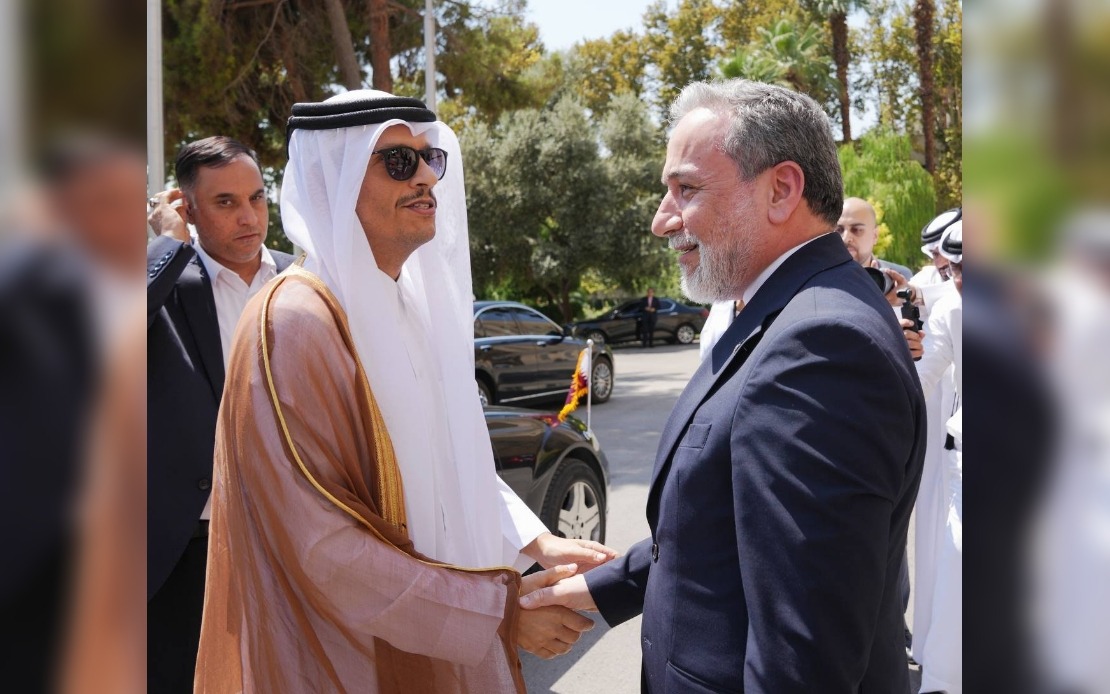
Qatar's Foreign Minister Sheikh Mohammed bin Abdulrahman bin Jassim Al Thani travelled to the Iranian capital on Thursday in his first visit since escalatory military exchanges began in late February between Iran, the United States, and Israel. The timing of this diplomatic mission underscores Doha's strategic role as a trusted intermediary capable of engaging simultaneously with Washington and Tehran, a position Qatar has cultivated over decades through careful neutrality and extensive economic ties to both sides. During his Tehran visit, the Qatari minister met not only with Araghchi but also with President Masoud Pezeshkian, Parliament Speaker Mohammad Bagher Qalibaf, and Mohsen Rezaei, who heads Iran's Supreme National Security Council, demonstrating the comprehensive nature of the engagement.
Araghchi framed his discussions with the Qatari delegation as "creative," suggesting room for innovative solutions to the current impasse. His statement that restoring diplomatic relations "isn't impossible" carries significance precisely because it avoids rhetorical maximalism, implying instead a pragmatic assessment of feasible pathways. The Foreign Minister's emphasis on a "simple fact" that pressure does not work reflects Iranian frustration with decades of US sanctions and military posturing, yet simultaneously opens intellectual space for alternative approaches based on reciprocal respect and genuine negotiation rather than ultimatums.
The Iranian government's preconditions for renewed engagement highlight the fundamental obstacles any future talks would need to address. By insisting that the United States must "build trust, speak respectfully, acknowledge our rights, and uphold commitments," Tehran signals that cosmetic diplomatic gestures will prove insufficient. These demands reference long-standing Iranian grievances, including the 2018 American withdrawal from the Joint Comprehensive Plan of Action, which Iran views as a broken commitment. For Malaysian readers and regional observers, Iran's insistence on commitment reliability carries weight in Southeast Asia's own experience with great-power diplomacy, where perceived inconsistency or abandonment by larger powers remains a persistent concern.
The Qatari mediation effort encompasses several concrete initiatives designed to create practical foundations for de-escalation. Among these proposals is a temporary joint navigational corridor through the Strait of Hormuz, one of global trade's most critical chokepoints through which roughly one-third of all seaborne oil passes. Coordinated mine-clearing efforts in regional waters represent another collaborative framework that could demonstrate good faith without requiring either side to compromise core security positions. For Malaysia, whose economy depends substantially on unimpeded maritime trade, the stability of these shipping lanes carries direct relevance to economic growth and energy security.
Qatar's diplomatic activism reflects both its material interests in regional stability and its unique position as a nation maintaining functional relationships across the US-Iran divide. Despite hosting major American military facilities, Qatar has preserved communication channels with Tehran and developed closer ties in recent years. This balancing act positions Doha as perhaps the only Arab state capable of simultaneously hosting substantive discussions with both Washington and Tehran without triggering accusations of betrayal from either party. The emirate's willingness to undertake detailed, high-level mediation suggests confidence that both sides retain interest in exploring alternatives to continued confrontation.
Iran's measured language around diplomacy must be understood within the context of its broader strategic position. Battered by international sanctions affecting its currency, oil exports, and access to international banking, the Islamic Republic faces genuine economic pressure that constrains its policy options. Yet analysts note that Iranian leadership retains ideological commitments to resistance against what it perceives as Western hegemony, creating tension between economic necessity and political principle. Araghchi's framing that "pressure doesn't work" simultaneously conveys that Iran will not yield under coercion while leaving conceptual room for agreements reached through dialogue and mutual recognition of legitimate interests.
The broader Middle Eastern environment shapes these diplomatic overtures. Regional powers have invested considerable effort in de-escalatory mechanisms following the October 2023 conflict between Israel and Hamas, with varying degrees of success. Saudi Arabia, long aligned with Washington, has pursued independent relationships with Iran through Chinese-brokered agreements. These evolving regional dynamics create both opportunities and complications for American diplomacy, as Washington's traditional allies demonstrate willingness to engage Tehran outside American frameworks. For Southeast Asia, these patterns underscore how regional actors increasingly manage great-power competition through flexible, multilateral approaches rather than zero-sum alignment.
Implementing any renewed diplomatic process would require navigating numerous technical and political obstacles beyond those Araghchi articulated. Questions regarding Iran's nuclear programme, its regional military activities, and its support for non-state actors remain fundamentally unresolved from previous negotiating rounds. American domestic political considerations also constrain Washington's flexibility, with presidential elections and congressional pressures shaping what any administration can credibly offer Iran. Furthermore, Israeli security concerns and Saudi regional interests complicate any bilateral US-Iran arrangement, as both nations maintain leverage over American policymaking and can complicate implementation of any agreement.
The language Araghchi employed—emphasizing possibility rather than inevitability—reflects realistic assessment of negotiation's uncertain prospects. By describing diplomatic restoration as "not impossible" rather than imminent or likely, the Iranian Foreign Minister positioned Iran as responsive to genuine dialogue while acknowledging substantial obstacles remain. This careful calibration serves domestic Iranian audiences by avoiding accusations of weakness or capitulation while simultaneously signalling to international interlocutors that Tehran retains flexibility. For regional observers including Malaysia, such diplomatic messaging contains important lessons about how middle powers can maintain agency within great-power competition through strategic ambiguity and measured positioning.
Qatar's ongoing mediation efforts will likely expand in coming weeks, potentially involving additional high-level visits and back-channel discussions designed to identify overlapping interests and narrow disagreements. The geographic and strategic position of Qatar within the Gulf region, combined with its recognized mediating expertise, gives Doha opportunity to facilitate discussions that other actors cannot. Whether such efforts ultimately produce substantive progress toward restored US-Iran diplomacy depends ultimately on whether American and Iranian decision-makers conclude that dialogue serves their respective national interests better than continued confrontation. For Malaysia and other Southeast Asian nations, the outcome will substantially influence regional geopolitics, oil markets, and the broader international stability upon which trade-dependent economies fundamentally depend.

