Iran's Parliament Speaker and chief negotiator Mohammad Bagher Qalibaf has travelled to Oman for high-level talks aimed at forging a fresh approach to managing the strategically critical Strait of Hormuz. Accompanying Qalibaf on the visit is top Iranian diplomat Abbas Araghchi, signalling the diplomatic weight Tehran is placing on the discussions. The Omani Foreign Minister Badr Albusaidi received the Iranian delegation upon arrival on Monday, underscoring Muscat's central role as a trusted intermediary in regional negotiations.
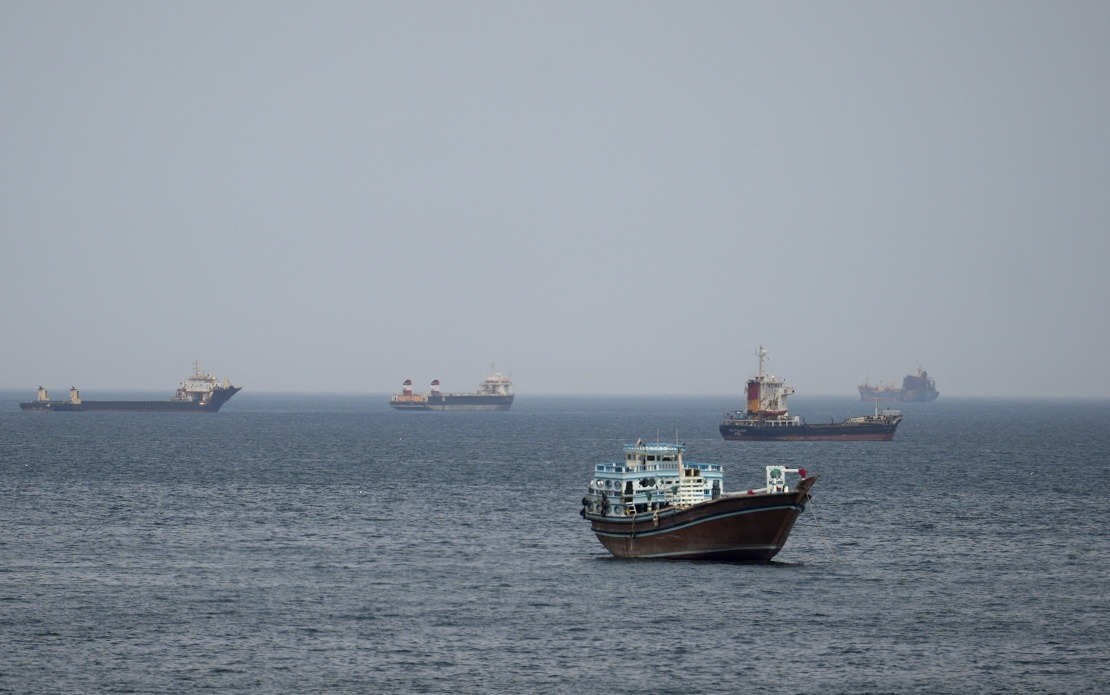
The timing of this visit carries significant geopolitical implications for Southeast Asian readers, given the region's dependence on stable shipping lanes through the Strait of Hormuz. Nearly all oil and liquefied natural gas destined for Asian markets—including Malaysia—transits through this narrow waterway, making any framework affecting its security directly consequential for energy prices and supply chains across the region. The fact that Iran and Oman are now exploring formal management arrangements suggests renewed momentum in de-escalation efforts after months of heightened tensions.
Qalibaf's trip follows an intensive round of indirect negotiations with the United States that concluded just days earlier in Switzerland. Those 18-hour talks, conducted under the mediation of Pakistan and Qatar, focused on implementing a recently agreed memorandum of understanding between Tehran and Washington. The proximity of these separate negotiating tracks—one with the US on bilateral implementation and one with Oman on regional navigation—indicates that Iran is pursuing parallel diplomatic channels to build consensus on reducing tensions across the Gulf region.
The Omani government has long positioned itself as a bridge-builder in Gulf disputes, maintaining diplomatic relations with all major regional actors despite deep rivalries. Its willingness to host these consultations reflects Muscat's strategic interest in preventing the Strait of Hormuz from becoming a flashpoint for military confrontation. For Malaysian analysts, this underscores how smaller regional powers with historical diplomatic credibility can shape outcomes that affect larger economies dependent on critical maritime chokepoints.
According to joint statements from both governments, Iran and Oman emphasized the importance of leveraging the current diplomatic opening to advance peace and de-escalation. Both sides stressed adherence to international law and the principle of neighbourly conduct—language that signals an attempt to move beyond zero-sum confrontation towards rules-based management of shared interests. The emphasis on preserving regional security and ensuring safe passage for international shipping directly addresses longstanding concerns of maritime trading nations worldwide, particularly those in Southeast Asia whose economies rely heavily on unimpeded Gulf transit routes.
The proposed framework for Strait of Hormuz management represents a departure from previous ad-hoc crisis responses. Rather than relying on military deterrence or unilateral assertions of control, both countries appear to be exploring mechanisms for coordinated oversight that could reduce misunderstandings and accidental escalation. This approach parallels maritime confidence-building measures seen in other regions and could potentially serve as a model for managing disputes in other contested waterways throughout Asia.
Qalibaf's expected bilateral meeting with Omani Sultan Haitham bin Tariq suggests the discussions extend beyond immediate navigation concerns to encompass broader bilateral cooperation and regional coordination strategies. Such high-level engagement typically includes discussions on energy cooperation, investment, and security arrangements—indicating that the Strait of Hormuz framework is embedded within a wider context of normalizing relations and expanding cooperation.
The involvement of Pakistan and Qatar as mediators in the parallel US-Iran talks demonstrates how regional powers beyond the immediate Gulf stakeholders have become invested in de-escalation. This inclusive approach to mediation contrasts with earlier periods when external powers dominated Gulf diplomacy. For Malaysian policymakers, it illustrates how middle powers can exercise disproportionate influence through strategic positioning and trusted relationships with all parties.
The success of these negotiations could have ripple effects across Asian energy markets. Any agreement that stabilizes the Strait of Hormuz and reduces insurance costs for shipping would benefit Malaysian importers and exporters using these routes. Conversely, failure to establish durable frameworks could trigger renewed regional tensions that would increase energy costs and supply chain uncertainty throughout Southeast Asia.
From a broader perspective, these talks signal that despite persistent US-Iran tensions and regional rivalries, space for dialogue and pragmatic arrangements remains possible. The diplomatic initiative demonstrates that even deeply adversarial relationships can develop compartmentalized cooperation on specific issues—in this case, maritime safety and navigation—that serve mutual interests. This principle holds relevance for other regional disputes in Asia where competing powers might find common ground on shared concerns like freedom of navigation and preventing accidental military escalation.
The framework being discussed in Oman may ultimately prove to be one element within a larger regional architecture aimed at managing competition through dialogue rather than confrontation. If successful, such arrangements could establish precedents for how regional powers manage critical shared spaces, offering lessons applicable to other strategically important waterways and disputed areas throughout Asia and beyond.