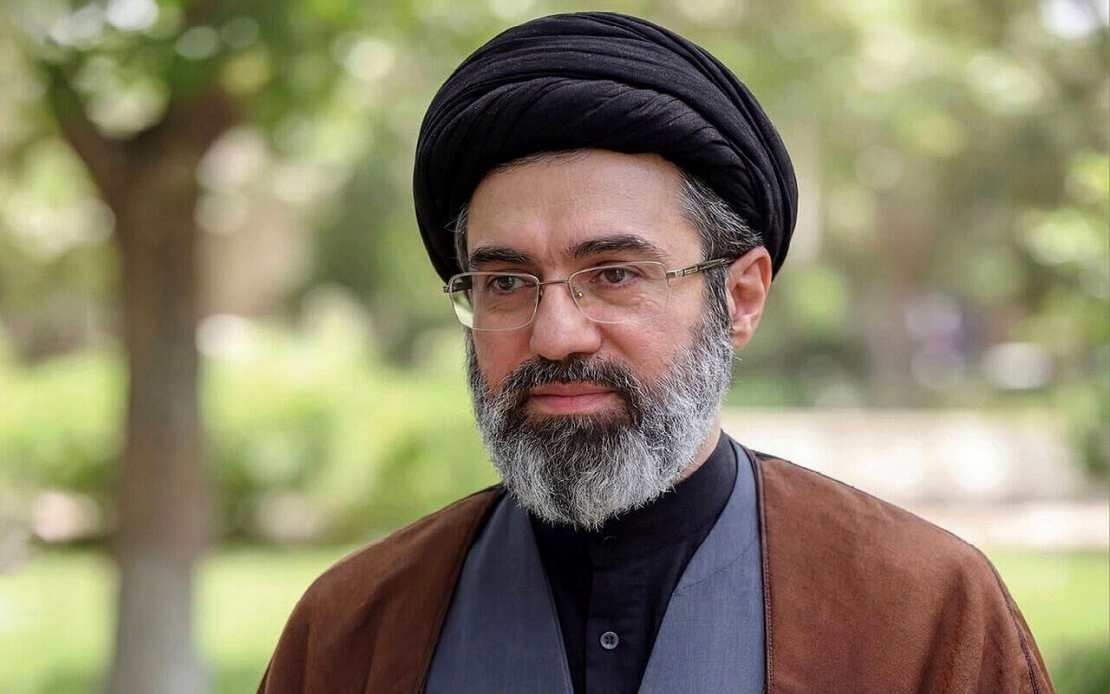
Iranian President Masoud Pezeshkian moved to quash any lingering concerns about the health of the nation's Supreme Leader Mojtaba Khamenei on Monday, declaring in a state television interview that the senior figure is in perfect health. The reassurance comes at a particularly sensitive juncture in Iranian politics, as the country continues to navigate the aftermath of the February 28 assassinations and adjusts to a new line of succession at the highest echelons of power.
Pezeshkian made his remarks during an extended conversation with state-run IRIB TV, where he reflected on a marathon seven-hour meeting he had recently held with the supreme leader. The length and substance of this engagement underscore the depth of consultations occurring within Iran's leadership hierarchy as the nation grapples with multiple concurrent challenges. By emphasizing the supreme leader's physical condition, Pezeshkian appears intent on signalling stability and continuity within the Islamic Republic's power structure at a moment when international observers remain keenly focused on Iran's internal dynamics.
The extended dialogue between president and supreme leader centred on a range of domestic priorities that reflect the economic and social pressures confronting ordinary Iranians. Pezeshkian highlighted that preservation of national cohesion and solidarity emerged as the paramount concern during their conversations. This emphasis on unity carries particular weight given the fractures that can emerge within Iran's political establishment during periods of transition, and it signals an attempt by the leadership to present a united front domestically and internationally.
Economic hardship ranks among the most pressing issues facing Iran's government. The president identified people's livelihoods, employment generation, and housing availability as critical matters that dominated their discussions. These three areas represent the lived experience of millions of Iranian citizens struggling with inflation, unemployment, and an acute housing shortage that has persisted despite decades of promises for improvement. The focus on such bread-and-butter issues suggests that the new supreme leader and president recognise the urgency of addressing economic grievances that could otherwise fester and undermine regime stability.
Sanctions imposed by Western nations continue to inflict considerable damage on Iran's economy, constraining access to international markets, limiting foreign investment, and hampering technological advancement. During their meeting, Pezeshkian and the supreme leader devoted attention to the consequences of these punitive measures. For Malaysia and other Southeast Asian nations maintaining economic relations with Iran, such discussions highlight the ongoing challenges facing Iranian policymakers as they attempt to generate growth and employment amid sustained international economic pressure.
The timing of this high-level encounter is noteworthy, coinciding with Pezeshkian's transition into his third year as president. Iranian media sources initially reported the meeting on Sunday, and Pezeshkian subsequently elaborated on it during his television address. This choreography suggests the leadership deliberately intended to use the occasion to reinforce messages of continuity and purposeful governance. By immediately publicizing and commenting on the substantive agenda discussed with the supreme leader, the president appears to be establishing a narrative of active, engaged leadership tackling the nation's most urgent problems.
Mojtaba Khamenei's ascension to the supreme leadership occurred under extraordinary circumstances. The March appointment by Iran's Assembly of Experts followed the death of his father, Ali Khamenei, who held the position since 1989. The February 28 military strikes that claimed the former supreme leader's life represented a dramatic and destabilizing event that sent shockwaves through the region and prompted rapid succession arrangements. The Assembly of Experts convened to formalize the transition, selecting Mojtaba Khamenei as his father's successor and thereby preserving the hereditary dimension that has increasingly characterized Iran's supreme leadership.
One striking aspect of Mojtaba Khamenei's tenure thus far has been his absence from public view since his election. This withdrawal from the public sphere has naturally generated speculation and questions about his health, capacity, and the actual locus of decision-making power within Iran's government. The president's explicit confirmation of the supreme leader's perfect health can therefore be read as a deliberate attempt to counter potentially destabilizing rumors and reassure both domestic constituencies and international observers that the new supreme leader is fully capable and actively engaged in governing.
The implications of this succession and the current leadership configuration extend beyond Iran's borders. Regional actors, including states throughout the Middle East and beyond, are carefully monitoring how the new supreme leader shapes Iranian foreign policy, particularly regarding ongoing conflicts and international relations. For Southeast Asia, Iran's stability and the competence of its leadership carry indirect consequences given regional maritime interests and energy security considerations that intersect with Middle Eastern geopolitics.
Pezeshkian's characterization of his meeting with the supreme leader as "very good" suggests productive engagement and alignment between the two offices. In Iran's political system, the president functions subordinate to the supreme leader, yet the relationship between these two figures significantly influences how effectively the government implements policy. A harmonious working relationship indicates that major decisions can advance without the internal friction that sometimes paralyses Iranian governance. Conversely, any discord between president and supreme leader can create paralysis and policy inconsistency.
The substantive focus on national unity, economic welfare, and sanctions resistance reflects a leadership conscious of the vulnerabilities confronting the Islamic Republic. With regional tensions elevated, economic conditions strained, and a generational transition underway in the highest offices, Iranian officials are clearly intent on projecting an image of cohesion and purposeful action. Whether these deliberations translate into tangible improvements in Iranians' living standards or substantially alter the trajectory of Iranian foreign policy remains to be seen. Nevertheless, the public dialogue between president and supreme leader indicates an awareness that addressing these concerns constitutes an immediate priority for regime legitimacy and stability.

