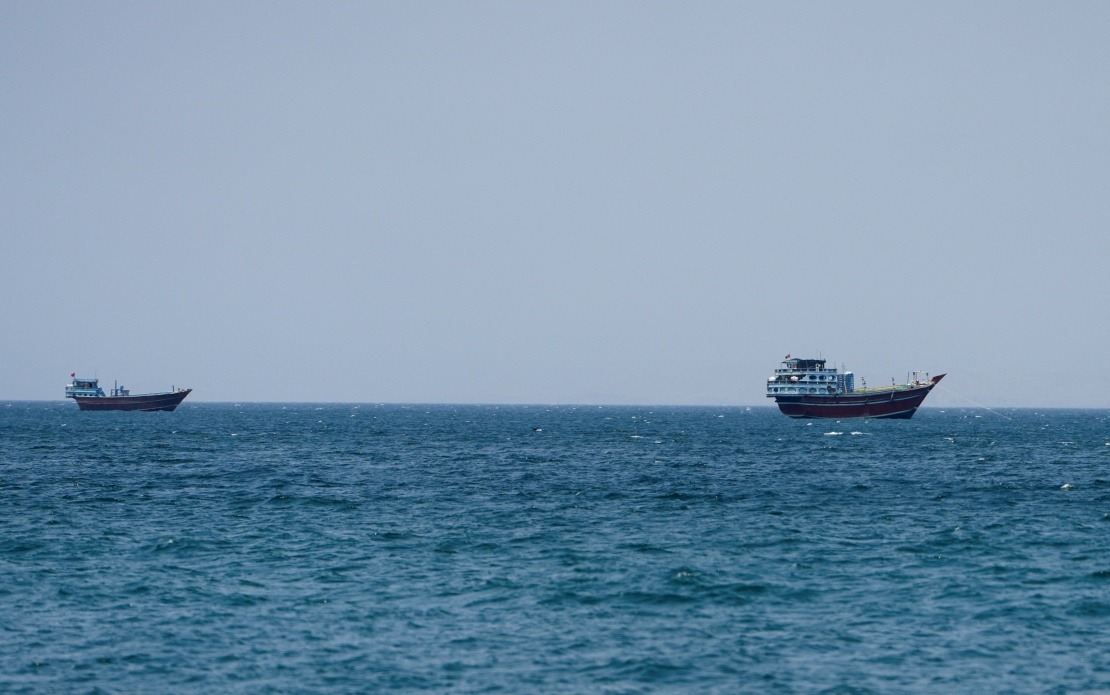
Iran's recently appointed head of the Supreme National Security Council, Mohsen Rezaei, has signalled that the critical Strait of Hormuz will remain partially restricted until Washington capitulates to Tehran's demands. Speaking during a meeting with China's ambassador to Iran, Zong Piyu, on Tuesday, Rezaei laid out a firm position that underscores Tehran's determination to leverage control of one of the world's most important maritime chokepoints in broader negotiations with the United States.
The Strait of Hormuz, through which approximately one-third of global seaborne oil trade passes, has been subject to Iranian transit restrictions since March following escalations involving Israeli military actions. The waterway's strategic importance cannot be overstated—disruptions here send immediate ripples through global energy markets and have profound implications for Southeast Asian economies heavily dependent on stable oil supplies. Malaysia, as a significant energy consumer and trader, stands among the nations most exposed to prolonged corridor instability.
Rezaei's conditions represent a comprehensive package rather than isolated demands. Beyond simply reopening the strait to unrestricted passage, Iran insists that the United States must terminate what Tehran characterizes as military aggression against Iran and its regional partners. This encompasses halting direct and indirect military operations, as well as ceasing support for what Iranian officials view as hostile regional actors. Equally significant is Iran's demand for the release of frozen Iranian assets held in foreign banks—a financial siege that has severely constrained Tehran's economy and become a persistent point of friction in any diplomatic engagement.
The Iranian security official further disclosed that Tehran has communicated additional unstated conditions to Washington through back-channel intermediaries who have facilitated past negotiations between the two adversaries. This suggests a more nuanced negotiating position than publicly articulated, with private communications potentially offering pathways toward resolution that might not survive public disclosure. The involvement of intermediaries also reflects the reality that direct bilateral channels remain largely closed, necessitating third-party facilitation for any substantive dialogue.
A notable aspect of Rezaei's statement concerns the relationship between Iran and Oman regarding transit arrangements through the Strait of Hormuz. Should Iran and Oman, the two nations bordering the waterway, reach consensus on shipping corridors and passage protocols, such bilateral accords would carry no bearing on Iran's ultimate authority to restrict or permit transit. This declaration effectively asserts Iran's sovereign control over the strait and rebuts any suggestions that agreements with Oman or other states could constrain Iranian decision-making. The statement underscores Tehran's willingness to operate unilaterally should diplomatic compromise prove elusive.
The security council chief's remarks during his meeting with the Chinese ambassador reveal the centrality of Beijing to Iran's strategic calculations. Rezaei specifically commended China's decision to oppose what he characterized as an anti-Iranian and legally baseless draft resolution circulated within the UN Security Council during the March escalation. This appreciation reflects Iran's assessment that China represents a crucial counterweight to Western pressure and a potential ally in the international arena.
Beyond immediate maritime issues, Rezaei emphasized the broader strategic partnership between Iran and China, particularly their joint membership in organizations such as the Shanghai Cooperation Organisation and BRICS. These multilateral frameworks have become increasingly important to both nations as they navigate a shifting international order and seek alternatives to Western-dominated institutions. For Southeast Asian observers, this Sino-Iranian alignment carries significance, as China's growing influence in regional affairs intersects with Iran's strategic interests in ways that could reshape regional dynamics.
The timing of these statements, delivered by a newly appointed security official, likely carries symbolic weight. Rezaei's elevation to lead the Supreme National Security Council suggests a potential hardening of Iran's negotiating stance or at minimum, signal continuity in uncompromising positions regarding national interests. His emphasis on conditions rather than negotiation proper indicates that Iranian leadership views the current balance of power as sufficiently favorable to justify holding firm on its demands.
For Malaysia and other Southeast Asian nations, the implications are substantial. Continued restrictions on the Strait of Hormuz translate directly into higher energy costs, increased shipping insurance premiums, and supply chain uncertainties. The region's manufacturing sectors, which depend on predictable energy inputs and reliable transportation routes, face mounting pressures from prolonged instability. Additionally, regional shipping companies operating through the Persian Gulf face heightened risks and operational costs, ultimately reflected in consumer prices across Southeast Asia.
The diplomatic standoff also reflects broader patterns of confrontation that resist conventional resolution mechanisms. Iran's willingness to maintain restrictions indefinitely demonstrates confidence that the costs of closure are asymmetrically distributed—falling more heavily on global consumers and trading partners than on Iran itself. This calculation has proven largely accurate, as international pressure to reopen the waterway remains diffuse and uncoordinated, lacking the unified enforcement mechanisms that might compel Iranian compliance.
Looking forward, the trajectory depends heavily on whether either party perceives changing circumstances that warrant reconsidering negotiating positions. Current indications suggest neither the United States nor Iran view the moment as propitious for substantive concessions. The stalemate may persist until external pressures—whether economic, geopolitical, or related to internal political changes—shift calculations sufficiently to move negotiators toward the middle ground.

