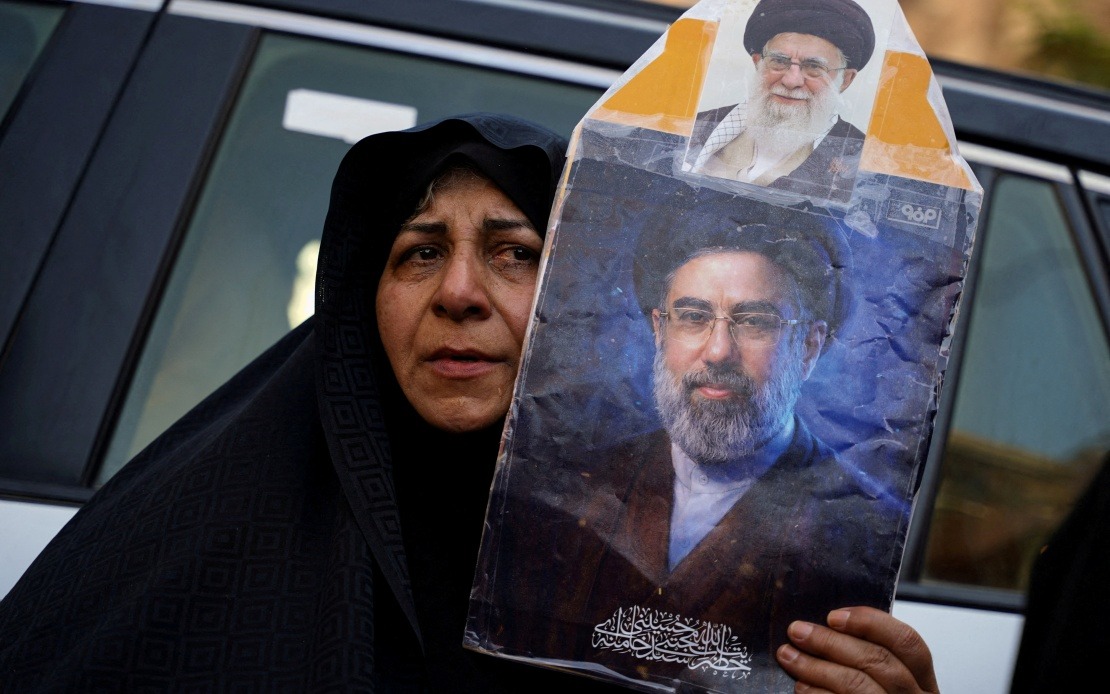
Iran's Supreme Leader Mojtaba Khamenei delivered a scathing indictment of US President Donald Trump's credibility on Saturday, asserting that repeated American violations of a recently negotiated peace memorandum of understanding have exposed the worthlessness of the American leader's commitment to international agreements. Speaking through Iranian state media, Khamenei characterised the alleged breaches as further confirmation of a troubling pattern of American deception and unreliability that extends far beyond the current dispute.
The peace memorandum in question was signed on June 18 between Iranian President Masoud Pezeshkian and Trump, establishing a framework intended to de-escalate mounting tensions between the two nations. The agreement envisaged comprehensive bilateral negotiations scheduled to commence within 60 days, potentially laying groundwork for a more durable settlement of long-standing grievances. Yet barely a month into this diplomatic initiative, the accord has deteriorated amid what Tehran characterises as flagrant American non-compliance with foundational commitments.
Khamenei's remarks struck at the heart of international diplomacy, essentially questioning whether any written undertaking bearing Trump's signature carries genuine weight. He asserted that Washington had "once again revealed its true and unmasked face," arguing that American actions demonstrate an inherent disposition toward dishonesty and malice. This rhetorical escalation reflects Tehran's profound frustration with what Iranian officials view as a cycle of broken promises extending across decades of US-Iran engagement, from the Joint Comprehensive Plan of Action to numerous interim arrangements.
The Iranian leader invoked broader historical grievances, characterising the pattern of American violations as part of what he termed "this dark experience of crime and breach of promises." By situating the current dispute within a longstanding narrative of American duplicity, Khamenei aimed to mobilise domestic support around a nationalist rejection of American-led diplomatic initiatives. For many Iranians, particularly those who remember the 1953 coup and decades of sanctions, such claims resonate with lived historical experience of American intervention.
Despite the inflammatory rhetoric, Khamenei coupled his criticism with an implicit warning to the United States. He cautioned that if Washington persisted with what he described as aggressive warmongering and attempted to impose additional economic or military pressure, Iran would respond with measures that he characterised as "unforgettable lessons." This language, common in regional political discourse, hints at potential military escalation while maintaining operational ambiguity about Iran's exact intentions.
The deterioration of the peace memorandum reflects broader regional instability that has intensified dramatically in recent weeks. Both nations have engaged in direct military operations, with the United States conducting multiple strikes against Iranian targets whilst Iran has launched retaliatory attacks against American military installations and allied facilities across the Middle East. This tit-for-tat escalation undermines the stated purpose of the June accord and raises questions about whether either side maintains genuine commitment to peaceful resolution.
Iranian Deputy Foreign Minister Kazem Gharibabadi provided more concrete details regarding Tehran's response to alleged American violations. On the same Saturday, Gharibabadi announced that Iran has unilaterally suspended its obligations under the memorandum, directly mirroring Washington's conduct. This reciprocal withdrawal represents a critical threshold in the agreement's collapse, as both parties have now abandoned compliance with its terms. Gharibabadi accused the United States of systematically failing to honour its own commitments, establishing what Tehran presents as justified grounds for Iranian non-compliance.
For regional observers and Southeast Asian policymakers monitoring these developments, the unravelling of this peace initiative carries significant implications. The collapse of US-Iran diplomacy risks renewed sectarian conflicts across the Middle East, potentially disrupting energy markets and complicating international security arrangements. Malaysia and other ASEAN nations maintain delicate diplomatic balances with both Washington and Tehran, making regional escalation particularly concerning for Southeast Asian economic and security interests.
The credibility of American diplomatic commitments has become a central issue in contemporary international relations, extending well beyond the immediate US-Iran dispute. Khamenei's emphasis on Trump's signature being worthless reflects broader concerns among various international actors about the stability of American foreign policy under different administrations. This uncertainty complicates long-term strategic planning for nations seeking to negotiate with Washington across multiple policy domains.
The June memorandum, despite its rapid deterioration, represented a significant diplomatic achievement given the profound historical enmity between Washington and Tehran. Its collapse within six weeks underscores the difficulty of resolving structural conflicts through high-level agreements when underlying military and ideological competition continues unabated. Neither side appears willing to make the substantive concessions necessary for durable peace whilst maintaining the military posturing characteristic of their confrontational relationship.
Looking forward, prospects for renewed negotiations appear dim absent significant changes in either nation's strategic calculations or leadership positions. The mutual accusations of bad faith have poisoned the diplomatic environment, and each side now operates from assumptions of American or Iranian deception respectively. Rebuilding sufficient trust for meaningful negotiations would require intermediary involvement from respected neutral parties capable of facilitating dialogue and guaranteeing compliance—roles that have historically proven difficult for even the most skilled international mediators to fulfil effectively.

