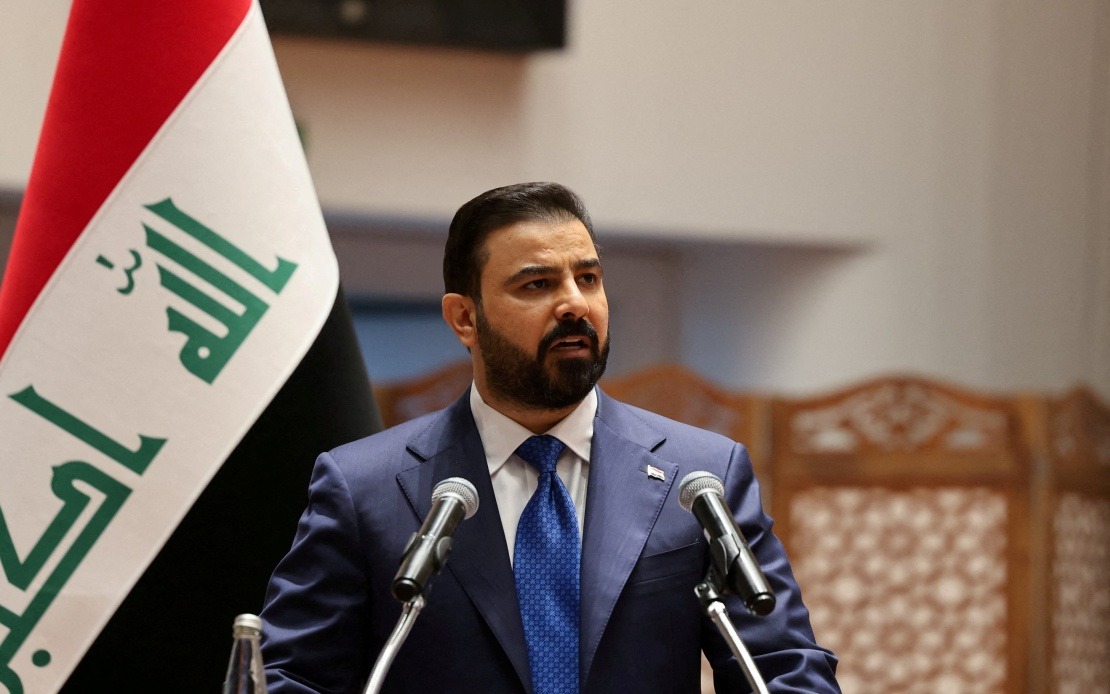
Iraq's leadership has moved to quash speculation about the country potentially leaving OPEC, with Prime Minister Ali Al-Zaidi using a recent interview to reaffirm Baghdad's commitment to the global oil cartel while simultaneously demanding recognition of its production capabilities. Speaking to Al-Hadath broadcaster on Thursday, Al-Zaidi emphasised that Iraq views continued OPEC membership as strategically important, even as the government pursues what it characterises as a fairer allocation of crude output rights within the 13-member organisation.
The prime minister's statement carries particular weight given ongoing tensions within OPEC regarding production quotas and compliance levels. Al-Zaidi's insistence on equitable treatment reflects Iraq's longstanding frustration with output allocations that Baghdad believes underestimate its actual productive capacity and economic needs. For a nation dependent almost entirely on oil revenues to fund government operations and reconstruction efforts following decades of conflict, the ceiling on production directly constrains budgetary flexibility and the government's ability to deliver essential services.
In a development that suggests OPEC's governing bodies may be responding to Iraqi concerns, the cartel approved modest production increases for several members during its June gathering. Iraq received authorisation to raise output by 26,000 barrels per day, bringing its total allocation to 4.405 million barrels per day. Simultaneously, Kuwait secured permission to boost production by 16,000 bpd to reach 2.66 million bpd, while Oman received clearance for a 5,000 bpd increase to 836,000 bpd. These adjustments, announced on June 5, represented a recognition that member states' productive capacities had evolved.
The technical underpinnings of Iraq's quota campaign came into sharper focus when the Iraqi Oil Ministry's spokesman Salim Al-Ruqabi disclosed in June that OPEC+ was undertaking a comprehensive review of Iraq's petroleum production capabilities. This assessment mechanism offers potential pathways for Baghdad to substantiate claims that its current quota does not reflect what modern infrastructure and geological reserves can sustain. Such technical reviews serve as the ostensible basis for quota adjustments, providing cover for political negotiations that ultimately determine oil output ceilings.
For regional observers and energy market participants, Iraq's renewed emphasis on OPEC engagement rather than withdrawal signals that Baghdad calculates greater benefits from participating in the cartel's coordination mechanisms than from operating independently. During periods of elevated oil prices, OPEC membership constraints feel burdensome to producer nations; conversely, when prices weaken, cartel discipline becomes attractive. Al-Zaidi's comments suggest the Iraqi government currently views collective action on production management as preferable to the volatility that might accompany unilateral decisions.
The significance of Iraq's position extends beyond bilateral negotiations with OPEC leadership. Iraq represents the cartel's second-largest proven oil reserves after Saudi Arabia, yet historically has operated below its technical capacity due to conflict, sanctions, and infrastructure constraints. As security conditions gradually stabilise and investment in upstream capacity accelerates, Iraq possesses substantial unutilised production potential. Recognising this reality through quota adjustments would simultaneously benefit Iraq's fiscal situation and maintain OPEC's collective market influence by channelling additional supplies through coordinated rather than chaotic mechanisms.
For Southeast Asian energy importers including Malaysia, Iraq's reaffirmation of OPEC membership carries implications for global crude supply stability and pricing. The region depends substantially on stable, predictable oil markets; disruptions stemming from producer-cartel conflicts can reverberate through regional economies. By committing to OPEC while advancing technical arguments for quota increases, Iraq promotes a framework where additional production occurs within coordinated structures rather than through sudden, unilateral decisions that could destabilise markets.
The Iraqi government's approach also reflects sophisticated diplomacy regarding cartel politics. Rather than confronting OPEC leadership directly, Baghdad is leveraging technical assessment procedures to build the case for quota revision. This methodology allows OPEC decision-makers to approve increases while maintaining the fiction that adjustments respond to objective capacity evaluations rather than political pressure. Such face-saving mechanisms often prove essential within consensus-based organisations where member states jealously guard their prerogatives.
Looking ahead, the trajectory of Iraq's quota campaign will likely depend on global crude demand trajectories and OPEC's collective assessment of market balance. If demand growth accelerates and price pressures build, OPEC members including Saudi Arabia may prove receptive to Iraqi requests for higher allocations. Conversely, if oversupply concerns dominate cartel deliberations, Baghdad's appeals for enhanced quotas may encounter resistance. The upcoming OPEC meetings in coming months will provide clearer signals regarding the organisation's receptiveness to Iraq's position.
The broader context of Iraq's OPEC commitment also encompasses the country's ongoing reconstruction and development imperatives. Oil sector revenues finance infrastructure rehabilitation, security forces, and social programmes essential for maintaining stability in a region that has endured prolonged instability. Higher production quotas translate directly into enhanced fiscal capacity for these investments. Consequently, Al-Zaidi's emphasis on fairness reflects not merely commercial negotiating postures but genuine national imperatives driving Baghdad's energy diplomacy.

