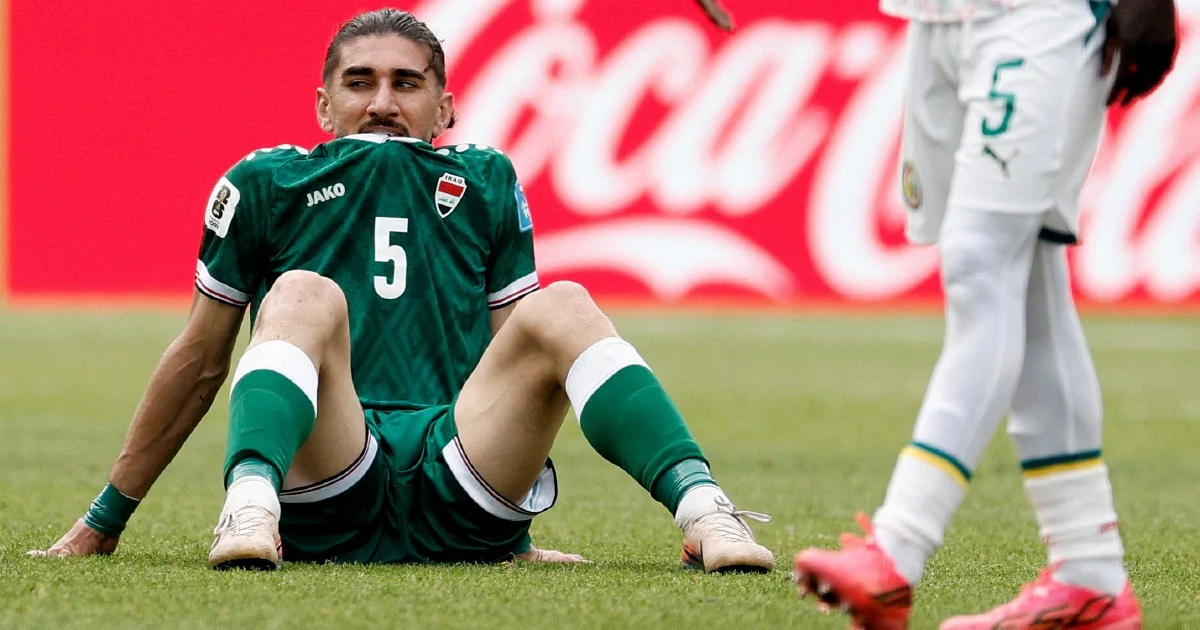
Iraq's Olympic Committee announced plans on Monday to conduct a comprehensive investigation into the national football team's disappointing showing at the World Cup, marking the beginning of what officials say will be a period of significant reform for the country's football programme. The decision comes amid growing scrutiny of the squad's performance and represents a turning point in how the nation's sporting authorities approach elite-level competition.
The scope of the inquiry extends beyond merely identifying what went wrong during the tournament itself. Officials have indicated their intention to examine the entire infrastructure surrounding the team, from coaching methodologies and player selection processes to training regimens and tactical preparation. This systematic review suggests Iraqi football authorities recognise that surface-level adjustments are insufficient to address underlying structural issues that may have contributed to the disappointing campaign.
For Malaysian readers and Southeast Asian football enthusiasts, Iraq's situation offers instructive parallels with challenges facing other regional nations attempting to build competitive international programmes. Like several ASEAN countries, Iraq has grappled with balancing investment in grassroots development against the need for immediate results at senior level. The willingness to undertake a thorough institutional audit reflects a maturation in how emerging football nations approach competitive failure, moving away from blame-shifting towards genuine capacity-building.
The investigation will likely scrutinise recruitment and retention of coaching staff, particularly at the technical level where expertise can significantly influence tactical execution and player development. Iraq has in recent years attempted to attract international coaching talent, yet results have remained inconsistent. Understanding why foreign expertise has not consistently translated into improved performances on the pitch will be central to preventing future disappointments.
Player development pathways represent another critical area for examination. How young Iraqi talent is identified, nurtured, and transitioned into the senior squad affects the depth and quality of the player pool available for international selection. Weaknesses in domestic club football or youth academy systems can constrain the options available to national team selectors, creating bottlenecks that restrict overall team competitiveness. The investigation may reveal whether domestic league structures are sufficiently competitive to prepare players for international-standard opposition.
The Olympic Committee's commitment to outlining preventative measures suggests officials understand that short-term fixes are inadequate. True reform requires establishing benchmarks for success at youth, under-23, and senior levels, alongside dedicated funding mechanisms and accountability structures. This represents a longer-term strategic commitment extending beyond the current cycle of officials and coaches.
Regionally, Iraq's approach contrasts with some Southeast Asian nations that have, at times, downplayed underperformance or resisted transparent institutional examination. The willingness to commission an investigation signals confidence that honest assessment can lead to genuine improvement rather than merely generating uncomfortable truths. This transparency, when coupled with concrete action, can rebuild confidence among fans and stakeholders that the football programme is moving in the right direction.
The timing of the investigation also matters. Conducting it immediately after disappointment, when the performance is fresh and stakeholders remain engaged, maximises the likelihood that recommendations will be implemented with urgency. Delaying such reviews often allows momentum for reform to dissipate, particularly if domestic pressures ease or attention shifts to other national concerns.
International competition standards have risen substantially in recent years, with even traditionally weaker teams demonstrating improved tactical sophistication and physical conditioning. Iraq's investigation will need to benchmark its findings against these evolving standards, identifying not merely where the team fell short but where competitors have advanced. This comparative analysis ensures recommendations remain relevant to contemporary football realities rather than addressing outdated deficiencies.
The investigation also provides an opportunity for the Olympic Committee to demonstrate accountability to Iraqi football supporters and sponsors. Public commitment to transparency, combined with publication of findings and a clear reform roadmap, can help rebuild trust in sporting institutions that may have been eroded by poor results. For nations where sporting investment competes for public resources against pressing social needs, this institutional credibility is valuable.
Looking forward, success will ultimately depend on whether identified reforms are properly resourced and implemented consistently. Investigations that generate comprehensive reports but lack follow-through funding or political support often fail to deliver lasting change. Iraq's ability to translate investigation findings into concrete improvements in coaching quality, player development infrastructure, and competitive preparation will determine whether this exercise represents genuine institutional renewal or merely a public relations exercise.
For Malaysian observers particularly, Iraq's approach offers a template for how emerging football nations can respond constructively to international disappointment. Rather than viewing failure as terminal, treating it as a catalyst for systematic improvement positions a country for long-term competitive development. Whether Iraq follows through on this commitment will provide lessons relevant to other regional programmes wrestling with similar challenges.

