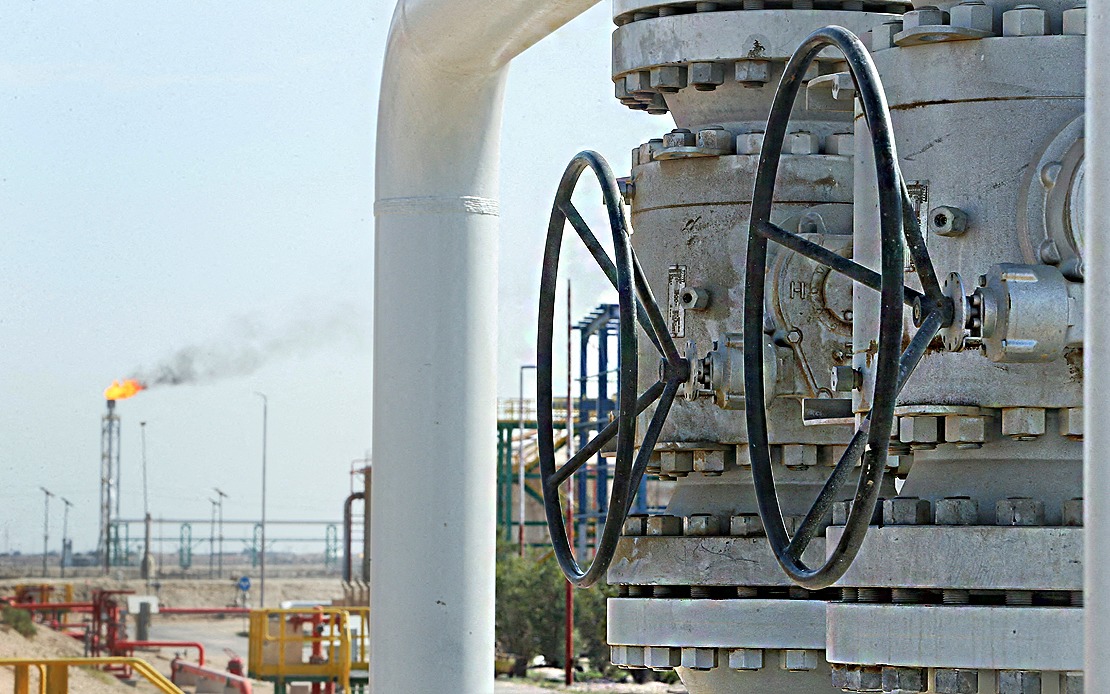
Baghdad is moving decisively to reduce its economic vulnerability to the volatile Strait of Hormuz by developing alternative oil export corridors through Turkey and Syria to the Mediterranean. Oil Minister Bassim Khudair announced that feasibility studies are underway for a major pipeline project that would connect Iraq's principal hydrocarbon reserves in Basra and Kirkuk directly to Mediterranean terminals at Ceyhan in Turkey and Baniyas in Syria, with potential future extension to Jordan's Red Sea outlet at Aqaba. The initiative reflects Baghdad's urgent need to secure reliable export pathways as regional instability continues to threaten conventional maritime routes.
For Iraq, the stakes of energy export disruption could hardly be higher. Oil revenues account for more than 90 per cent of state income during stable periods, and the Iraqi government distributes monthly stipends to more than 10 million citizens encompassing civil service employees, retirees, and welfare beneficiaries. Any prolonged interruption to oil sales directly threatens the government's ability to meet these fundamental fiscal obligations and maintain social stability across a nation still recovering from years of conflict. The urgency of securing alternative routes has intensified as the Strait of Hormuz, through which roughly one-third of global maritime oil trade passes annually, has faced effective blockade for extended periods due to escalating Iran-United States hostilities.
The geopolitical context surrounding this pipeline initiative is crucial for understanding Iraq's strategic calculations. The prolonged confrontation between Washington and Tehran has created a precarious environment for Gulf states and producers like Iraq that depend on maritime exports. Iraqi oil production itself has contracted during the period of heightened tensions, compounding revenue pressures. By developing overland pipeline infrastructure, Baghdad hopes to insulate itself from the specific vulnerabilities that plague Gulf shipping routes, particularly those affecting tanker traffic and port operations. The timing of Khudair's announcement underscores how Iraq views this infrastructure development as essential rather than merely advantageous.
However, the economic logic of the proposed solution carries substantial complications that Iraqi planners must navigate carefully. Transporting crude oil overland via pipeline inevitably proves costlier and operationally less efficient than conventional maritime shipping, which benefits from economies of scale and established global logistics networks. Higher transportation costs reduce the competitive advantage of Iraqi crude on international markets and compress already-thin profit margins in commodity oil markets where price competition remains intense. These economic headwinds mean that while the pipeline offers important geopolitical benefits, it comes at a tangible commercial cost that will burden Iraq's budget over the project's lifespan.
Equally significant are the security vulnerabilities that persist even with alternative export infrastructure in place. Iraqi officials have candidly acknowledged that pipelines and energy infrastructure lying outside the Strait of Hormuz framework remain susceptible to Iranian military action or proxy attacks. Regional precedent, including previous incidents of pipeline sabotage and infrastructure targeting in Iraq and elsewhere, demonstrates the genuine nature of this threat. The proposed route passing through Syrian territory adds another layer of complexity, given Syria's fractured political situation and the presence of multiple armed actors within its borders. These security considerations mean that even successful completion of the pipeline would not entirely eliminate Iraq's exposure to regional conflict dynamics.
Iraq's existing pipeline infrastructure provides a template and partial solution to current export challenges. The country currently operates a functioning pipeline to Turkish ports that traverses the autonomous Kurdish region, demonstrating the technical and political feasibility of overland export arrangements. Notably, a second pipeline configuration designed to circumvent Kurdistan is nearing completion and could enter operational service imminently according to Khudair's statements. This second corridor assumes particular importance because it reduces dependence on cooperation with Kurdish authorities and creates redundancy in export capacity. The imminent activation of this additional capacity represents a meaningful near-term improvement to Iraq's export flexibility even before the longer-term Mediterranean pipeline project advances through planning phases.
The Mediterranean pipeline concept reflects broader strategic thinking within Baghdad about regional positioning and economic resilience. By developing direct connections to ports in Turkey and Syria rather than relying solely on Gulf shipping, Iraq creates leverage with multiple transit countries and reduces concentration risk. The potential future extension to Aqaba in Jordan adds another dimension to this strategy, creating optionality that could prove valuable if regional circumstances shift. This multi-pronged approach distributes Iraq's dependency across several partners rather than concentrating it on a single chokepoint, a recognition that economic diversification builds political stability.
For Malaysia and other Southeast Asian energy importers, Iraq's infrastructure challenges carry indirect relevance. As a major crude supplier to Asian refineries including those in Malaysia, any sustained disruption to Iraqi exports affects regional fuel costs and refinery economics. Pipeline development that stabilizes Iraqi output benefits downstream markets by reducing price volatility and supply uncertainty. Conversely, if the infrastructure projects face delays or security setbacks, Asian refiners may need to source additional crude elsewhere, potentially at premium prices. Following Iraq's energy infrastructure developments therefore remains worthwhile for Malaysian energy security planning.
The diplomatic dimensions of this project warrant close attention from regional observers. The pipeline route through Syria requires coordination with Damascus despite Syria's international isolation, while the Turkish connection depends on Ankara's cooperation and willingness to accommodate the massive throughput that profitable exports would entail. These relationships are not static, and shifts in regional diplomatic alignments could either facilitate or complicate project execution. Iraq's ability to navigate these interstate negotiations while maintaining project momentum will significantly influence whether the Mediterranean pipeline concept advances from planning toward realization.

