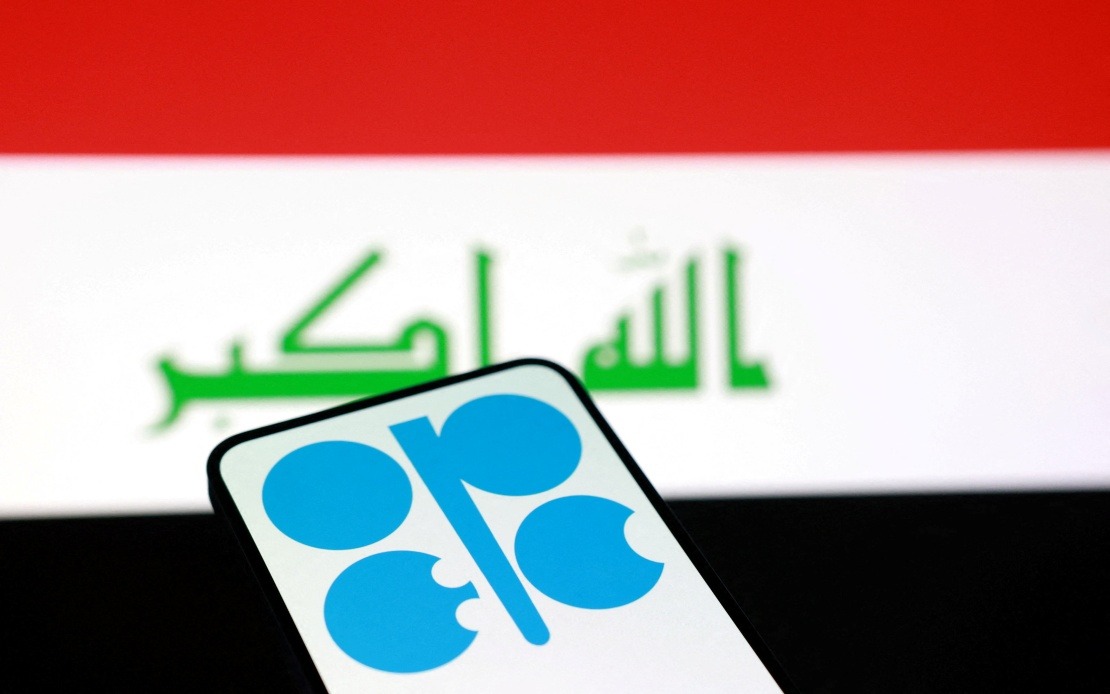
Iraq's Oil Ministry has moved swiftly to dispel reports that Baghdad is contemplating withdrawal from OPEC, clarifying its position following a Bloomberg article that suggested the country could reconsider membership if production quotas remain unchanged. The ministry issued a formal statement emphasizing that neither Prime Minister Mohammed Shia al-Sudani's government nor any official channel has floated the idea of leaving the Organisation of the Petroleum Exporting Countries, pushing back against what it characterized as a misrepresentation of Iraq's actual position.
The Iraqi government's concern, rather than an exit strategy, centres on the perceived inequity of its current production ceiling relative to what officials argue are the nation's genuine extraction capabilities. Ministry spokesman Salim Al-Rikabi clarified that Iraq remains fully committed to working within OPEC's established framework and collaborative mechanisms, even as Baghdad continues to advocate for upward revision of its assigned quota. This distinction is crucial for understanding Iraq's negotiating posture within the cartel: not a threat of departure, but rather a determined push for recognition of what Iraqi policymakers view as fair and technically justified production levels.
The underlying tension reflects a broader question about how OPEC allocates production rights among its thirteen members. Iraq contends that its quota does not adequately reflect the country's demonstrated capacity to pump oil sustainably, nor does it account for the extraordinary circumstances that have constrained Iraqi oil operations for decades. The ministry's statement underscores that Baghdad intends to expand production in accordance with its capabilities and economic requirements, positioning increased output as a national imperative rather than merely a cartel negotiation.
To address such concerns, OPEC and its affiliated producers—collectively known as OPEC+—have already initiated a technical review process aimed at reassessing each member state's maximum sustainable production capacity. This evaluation, being conducted in partnership with an independent international consulting firm and with Iraq actively participating, represents the formal channel through which Baghdad expects its claims to be examined and, ideally, validated. The initiative signals that OPEC+ has acknowledged the legitimacy of reviewing quotas based on updated technical assessments rather than preserving historical arrangements indefinitely.
The pathway forward includes a gradual restoration of production volumes that were voluntarily curtailed during periods of market oversupply. OPEC+ members agreed to reduce output collectively to stabilize global prices, but the full reversal of these cuts is anticipated within the coming months. For Iraq, this phased return to higher production levels carries particular significance, as it could provide the mechanism through which its quota ceiling rises organically as part of the broader cartel adjustment. Should the technical review of Iraq's sustainable capacity deliver findings supportive of Baghdad's claims, the subsequent increase in output limits would likely follow during this period of quota normalization.
Iraq's special pleading rests on documented historical circumstances that have ravaged its petroleum infrastructure and constrained development. The country has endured more than four decades of conflict, international sanctions, economic embargoes, and sustained terrorist attacks targeting oil production facilities. These conditions are not abstractions in Baghdad's framing but material factors that have prevented Iraq from capitalizing on reserves that rank among the world's largest. The ministry argues that any fair assessment of production capacity must account for the reality that Iraq's actual potential remains substantially underutilized compared to what the country could theoretically achieve under conditions of stability and sustained capital investment.
OPEC members have reportedly demonstrated considerable understanding toward Iraq's particular situation, according to the ministry statement. This diplomatic posturing suggests that Baghdad's arguments have resonated sufficiently within cartel councils that outright rejection of higher quotas may prove untenable. Member states appear cognizant that Iraq's grievances about its quota allocation carry historical weight and that maintaining cohesion within OPEC requires addressing such concerns through transparent technical processes rather than arbitrary perpetuation of existing arrangements.
The broader strategic importance of Iraq's case extends beyond the immediate question of quota allocation. Should Iraq successfully secure a higher production ceiling, it would represent validation of the principle that quotas can be adjusted based on technical capacity assessments and special circumstances rather than remaining locked in perpetuity. For other OPEC members with similar complaints—and several exist—such a precedent could open avenues for their own quota renegotiations. Conversely, if Baghdad's push fails, it might signal that historical quota arrangements, while nominally subject to review, remain effectively immutable.
For Southeast Asian importers dependent on Middle Eastern crude, Iraq's production trajectory carries tangible implications. The region's energy security depends partly on reliable supply from the Persian Gulf, and Iraq's capacity to expand output potentially provides additional barrels that could moderate regional prices or reduce supply concentration among other producers. Were Iraq to successfully navigate the quota reassessment process and expand production, it could contribute to supply diversification that benefits consuming countries throughout Asia.
The technical review process undertaken by OPEC+ represents the formal avenue through which Iraq's aspirations will be adjudicated. This mechanism, involving independent expertise and collaborative assessment, provides both Baghdad with a platform to substantiate its claims and OPEC with a defensible framework for any subsequent quota adjustments. Rather than the confrontational withdrawal scenario that Bloomberg's reporting implied, the trajectory appears set toward technical negotiation conducted through established institutional channels.
Iraq's reframing of the conversation from membership threat to technical reassessment underscores a sophisticated understanding of cartel dynamics. Baghdad has transformed what could have been interpreted as petulant frustration into a methodical demand for fair treatment within shared institutional procedures. By emphasizing participation in the technical review process and pointing to member-state sympathy for Iraq's historical circumstances, the ministry has positioned the country as a constructive participant seeking equitable resolution rather than an outlier threatening institutional stability.

