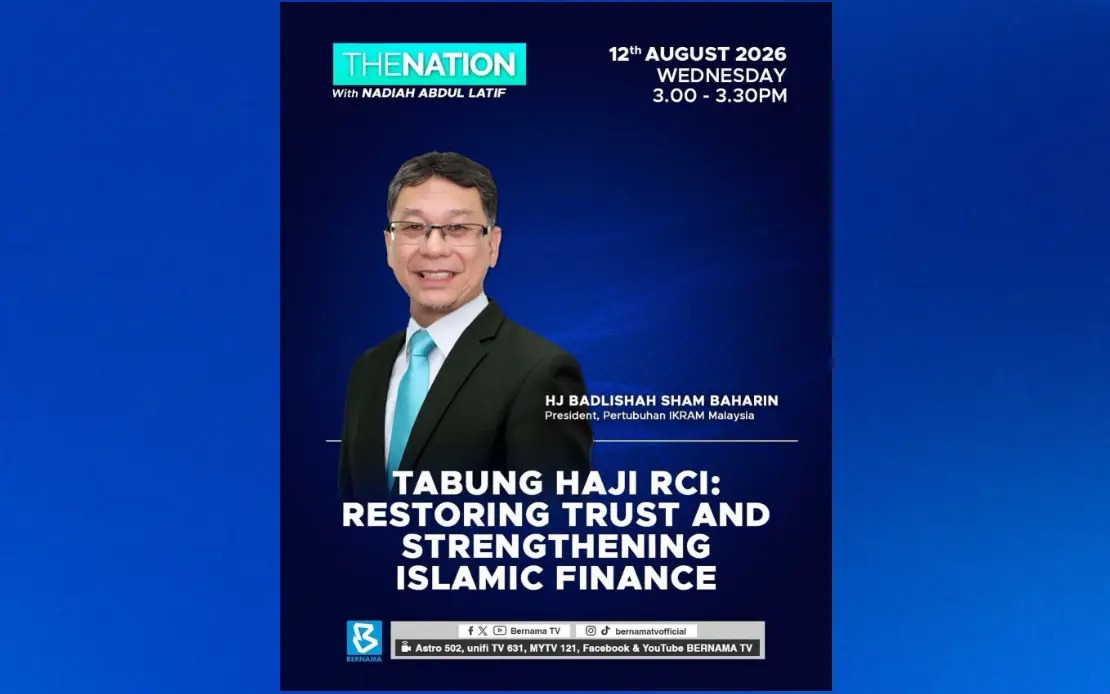
The debate over how deeply to investigate Tabung Haji's troubled financial history intensified this week when a prominent Islamic finance advocacy group pushed back against calls for a fresh Royal Commission of Inquiry. Pertubuhan IKRAM Malaysia, through its president Badlishah Sham Baharin, argued that establishing another RCI would be unnecessary and potentially counterproductive, given that authorities including the Malaysian Anti-Corruption Commission are already conducting investigations into the pilgrim fund's mismanagement.
The tension reflects a broader disagreement within Parliament about the scope needed to address one of Malaysia's most significant financial debacles. While both government and opposition lawmakers have demanded an additional inquiry to cover the 2021-2025 period, the IKRAM position suggests some stakeholders believe the existing investigative machinery is adequate to the task. The distinction between these periods matters because the original RCI examined only the 2014-2020 era, leaving recent years unexamined and potentially exposing gaps in accountability.
The scale of Tabung Haji's losses starkly illustrates why the public demands comprehensive oversight. Finance Minister II Datuk Seri Amir Hamzah Azizan disclosed that nearly RM13 billion in value was destroyed through fourteen failed investments, with seven resulting in complete loss of capital. Of this sum, RM10.2 billion was recovered through a government bailout orchestrated via Urusharta Jamaah Sdn Bhd in 2018, while another RM2.6 billion in impairment losses accumulated between 2018 and 2025 on still-managed investments. These figures represent not merely accounting abstractions but actual losses affecting nearly ten million ordinary Malaysians who deposited their pilgrimage savings.
The Al-Rawda transaction exemplifies the catastrophic failures that shaped the landscape. Between 2015 and 2017, Tabung Haji paid approximately RM1.5 billion in Saudi riyals to intermediaries to lease four hotels in Islam's holiest cities for pilgrims. The arrangement collapsed when Al-Rawda ceased rental payments starting in early 2019, ultimately forcing Tabung Haji to write off RM1 billion completely in 2024. This single investment encapsulates the institutional failures—inadequate due diligence, excessive reliance on intermediaries, and poor covenant enforcement—that undermined the fund's fiduciary responsibilities.
Badlishah Sham's position that RCIs should be reserved for only the most serious cases carries some pragmatic weight. Overturning to inquiry mechanisms can indeed dilute their investigative capacity and reduce public faith in their findings. The existing RCI, which became public on July 29, documented systemic weaknesses spanning 2014-2020 and formulated twenty-five reform recommendations; Tabung Haji had implemented seventy-five percent of these by month's end. Rather than multiplying inquiry processes, Badlishah suggested, authorities should intensify existing investigations while establishing a multi-agency task force specifically focused on monitoring high-risk investments before deployment.
Yet this measured approach may underestimate the appetite for closure among affected parties and the political imperatives driving legislators across ideological lines. When both Barisan Nasional and Pakatan Harapan representatives independently demanded extended investigations, they reflected constituent pressure that transcends usual partisan divides. Malaysians who entrusted savings intended for religious obligations deserve assurance that every angle of malfeasance has been examined. The temporal gap between the original probe's endpoint and the current date represents genuine territory where wrongdoing could have continued undetected.
The call for preventive mechanisms alongside investigative ones addresses legitimate vulnerabilities in Islamic finance governance. Badlishah emphasized that proper due diligence must precede any significant deployment of TH resources, and that investments must satisfy both ethical and procedural standards. This suggests that institutional reform—rather than endless commissions—may ultimately prove more valuable. Establishing robust vetting mechanisms, strengthening audit functions, and ensuring transparent decision-making processes could prevent repeating such expensive failures.
The parliamentary walkout by some opposition members during the recent special sitting provoked Badlishah's criticism, and his remarks highlight persistent frustrations with legislative conduct. When lawmakers elected to represent constituents absent themselves from crucial debates affecting millions, they abdicate fundamental responsibilities. That certain politicians subsequently articulated their positions on social media rather than through parliamentary procedures compounds the perception that formal institutional engagement has become performative rather than substantive. This dynamic affects public confidence in all oversight mechanisms, whether RCIs or standing parliamentary committees.
Regional observers will note that Malaysia's handling of this crisis carries broader implications for Islamic finance's credibility. When flagship institutions managing hundreds of billions in assets suffer such spectacular failures, confidence in the entire sector faces pressure. How Malaysian authorities respond—whether through measured investigations and institutional reform or through seemingly endless inquiries—will shape perceptions about whether Islamic finance can sustain the robust governance structures that institutional investors increasingly demand. The accountability deficit exposed at Tabung Haji extends beyond one fund to questions about whether Shariah-compliant investment frameworks genuinely deliver ethical outcomes.
Moving forward, the tension between establishing new RCIs and strengthening existing investigative capacity will likely persist. The IKRAM position essentially argues for efficiency and measured response, while legislative advocates push for comprehensive accountability. Both perspectives contain validity. What seems increasingly clear is that Malaysians expect not merely investigations but demonstrable systemic change. The reform recommendations already formulated deserve rigorous implementation monitoring, new governance structures must be operationalized, and individuals responsible for catastrophic losses must face consequences. Whether achieved through a new RCI or through accelerated prosecution of existing investigations, the financial system's integrity and the deposits of millions depend on achieving genuine accountability.

