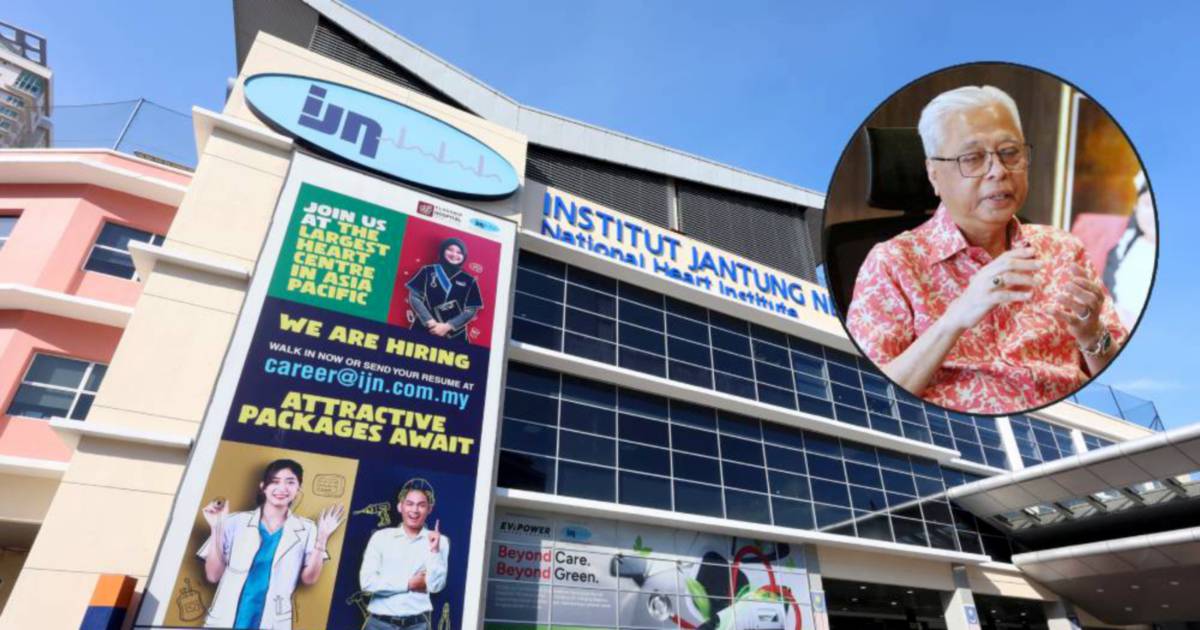
Datuk Seri Ismail Sabri Yaakob, who served as Malaysia's prime minister until late 2021, has completed a leadless pacemaker implantation procedure at the National Heart Institute (IJN) in Kuala Lumpur, marking a successful intervention for managing his heart rhythm abnormality. The former leader was admitted to the facility after medical assessments revealed an irregular heartbeat pattern that required corrective intervention through advanced cardiac technology.
The implantation of a leadless pacemaker represents a significant advancement in cardiac care, offering patients a less invasive alternative to traditional pacemaker systems. Unlike conventional devices that require leads—thin wires that carry electrical signals through veins to the heart—a leadless pacemaker is a miniaturized unit implanted directly into the heart muscle itself. This approach minimises surgical complexity, reduces infection risks associated with lead placement, and eliminates concerns about lead fracture or displacement over time, making it an increasingly popular choice among cardiologists managing rhythm disorders.
Ismail Sabri's admission to IJN and subsequent procedure underscore the advanced capabilities of Malaysia's premier cardiac care institution. The National Heart Institute, located in Kuala Lumpur, operates as the country's principal cardiac facility and serves as a regional reference centre for complex heart interventions. Its capacity to offer cutting-edge treatments like leadless pacemaker implantation reflects ongoing investments in medical technology infrastructure within Malaysia's healthcare ecosystem, positioning the country competitively within Southeast Asia for specialised cardiac procedures.
The medical team at IJN advised Ismail Sabri to prioritise rest and recovery following the successful implantation. Post-procedure care for leadless pacemaker patients typically involves several weeks of restricted physical activity, allowing the device to establish stable contact with the heart tissue and reducing the risk of premature device displacement. Compliance with prescribed recovery protocols is essential for ensuring optimal device integration and long-term efficacy in managing the heart rhythm condition.
Abnormal heart rhythms, medically termed arrhythmias, encompass a spectrum of conditions ranging from relatively benign to potentially life-threatening presentations. These disorders occur when electrical impulses within the heart become irregular, causing the organ to beat too slowly, too quickly, or in an otherwise disorganised pattern. Various underlying factors, including age-related degenerative changes, hypertension, structural heart disease, or atrial fibrillation, can precipitate arrhythmia development. The specific nature of Ismail Sabri's rhythm abnormality and the clinical decision to implant a leadless pacemaker indicate a condition requiring ongoing electrical regulation to maintain adequate heart output and prevent symptoms such as fatigue, dizziness, or syncope.
For individuals in high-profile public positions like Ismail Sabri, managing serious health conditions while maintaining personal privacy presents distinct challenges. The public disclosure of his hospitalisation and successful procedure reflects Malaysia's culture of transparency regarding prominent political figures' medical status, contrasting with practices in some other nations where such information remains confidential. This openness, facilitated through media updates and occasional footage of the patient, provides reassurance to the public while respecting the individual's right to medical privacy during recovery.
The implications of this procedure extend beyond Ismail Sabri's personal health management to broader discussions about cardiac care accessibility and technology adoption across Malaysia. The availability of leadless pacemaker technology at IJN demonstrates the institution's commitment to offering patients access to international standards of care. However, such advanced treatments often come with significant costs that may exceed coverage limits of Malaysia's public healthcare system, potentially creating access disparities between patients with private insurance or personal resources and those relying solely on government-funded care.
From a political perspective, Ismail Sabri's health challenge and successful treatment occur within Malaysia's broader political landscape. The former prime minister, who held office during a turbulent period marked by coalition complexities and economic pressures, has remained politically active since stepping down. His hospitalisation and recovery will likely have minimal immediate impact on parliamentary dynamics, though his absence during the recovery period may affect his engagement in parliamentary proceedings and party activities within the United Malays National Organisation (UMNO) and the broader coalition structure.
The successful completion of this cardiac procedure contributes to an important narrative about Malaysia's healthcare capabilities and the quality of medical expertise available within the country. Patients considering treatment options for cardiac conditions increasingly recognise that advanced interventions previously accessible only in overseas facilities can now be accessed domestically, reducing costs and logistical complications associated with medical tourism. This development strengthens Malaysia's position as a regional healthcare hub and may attract patients seeking cardiac care from neighbouring countries.
Moving forward, Ismail Sabri's recovery period will require careful monitoring and adherence to post-implantation protocols. Regular follow-up appointments at IJN will involve device interrogations to assess pacemaker function, verify proper sensing and pacing thresholds, and adjust parameters as needed. Patients with implanted cardiac devices typically undergo remote monitoring arrangements, allowing healthcare providers to assess device performance without requiring in-person clinic visits, enhancing convenience while maintaining safety oversight. The success of his recovery will serve as further testament to advances in Malaysian cardiac care delivery and the country's capacity to manage complex medical conditions effectively.

