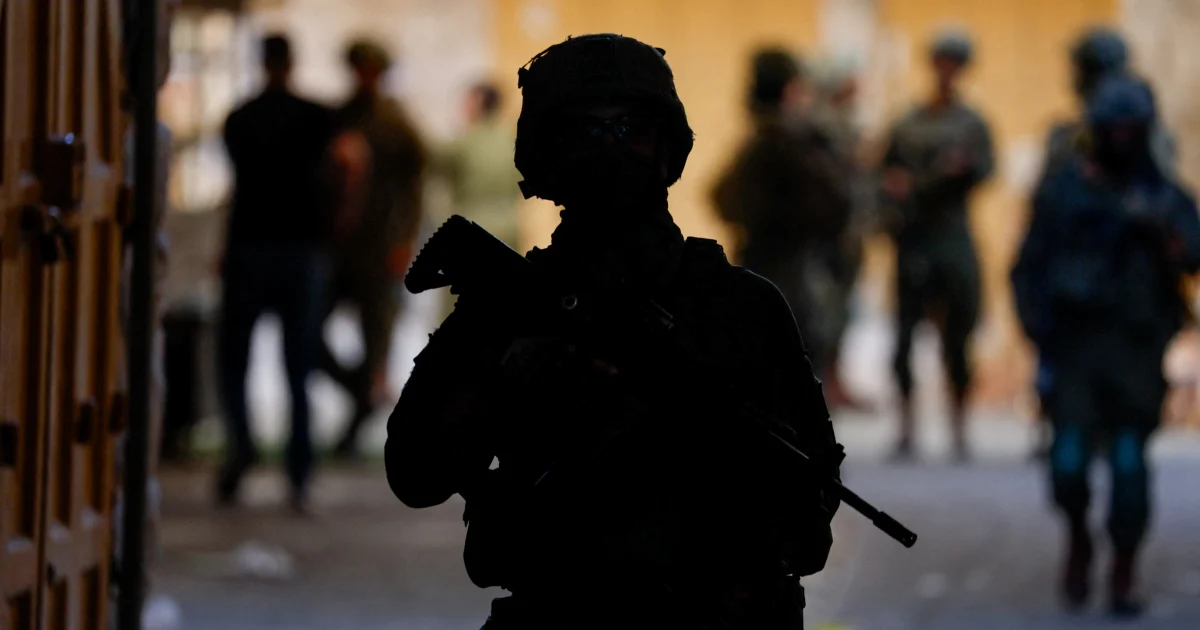
Israeli police announced Saturday that they had detained four suspects in connection with what the American news network CNN characterised as a deliberate assault on its reporting team in the occupied West Bank. The arrests follow an incident in which a vehicle transporting foreign journalists suffered deliberate damage, marking another flashpoint in the contentious relationship between international media operations and Israeli settler communities operating in Palestinian territories.
The incident underscores the precarious security environment in which international news organisations operate across the West Bank. Foreign journalists covering developments in the region routinely face obstruction and confrontation from various parties, complicating efforts to report on political, security, and humanitarian developments in one of the world's most sensitive conflict zones. CNN's characterisation of the encounter as an attack reflects the severity of the interaction as experienced by the news crew present.
Israeli police investigations into such incidents typically focus on identifying individual actors and establishing their motivations, though broader patterns of settler aggression against Palestinians and foreign observers have been documented by human rights organisations for decades. The speed at which authorities moved to arrest suspects in this case may reflect heightened international attention resulting from the involvement of a major global news organisation, a dynamic that sometimes influences the pace and vigour of official responses to incidents in the territories.
The West Bank remains a flashpoint for tensions between Israeli security forces, Palestinian communities, and settler movements that have expanded their presence significantly over recent decades. Foreign journalists seeking to document events in the region encounter obstacles ranging from denial of access to confrontation, creating challenges for independent reporting on conditions affecting Palestinian civilians and the activities of Israeli security personnel and settler groups.
Incidents involving attacks or obstructions of journalists contribute to broader concerns among international press freedom organisations about the ability of news operations to function safely in disputed territories. The Committee to Protect Journalists and similar monitoring bodies have repeatedly raised alarms about the safety of reporters working in Israeli-Palestinian areas, noting that incidents targeting media personnel can have a chilling effect on coverage and public understanding of events on the ground.
The four detained individuals now face questions from police regarding their alleged participation in damaging the CNN vehicle. Investigations will likely examine whether their actions constituted deliberate targeting of journalists, vandalism, or other criminal offences under Israeli law. The legal framework governing such incidents involves questions about jurisdiction, applicable law, and the intent of those involved—complexities that frequently characterise investigations in occupied territories.
For international news organisations operating in the West Bank, such incidents create operational and safety dilemmas. Networks must balance the journalistic imperative to cover events in the region against the practical risks faced by their personnel. The presence of armed or aggressive individuals can significantly complicate reporting, and major news organisations typically maintain security protocols and insurance arrangements to mitigate risks to their teams.
The arrest of suspects signals that Israeli authorities recognise an obligation to investigate allegations of violence or property damage targeting foreign nationals and media personnel. However, Palestinian analysts and human rights advocates frequently argue that investigation and prosecution of settler activities remains inconsistent compared to other categories of crime, and that deterrence remains limited given the ongoing expansion of settlements and settler presence across the West Bank.
This incident arrives amid broader regional tensions and continued disputes over settlement expansion, Palestinian statehood, and the international legal status of Israeli activities in occupied territories. The involvement of foreign media in a confrontational encounter with settlers reflects the volatile nature of daily interactions in these zones, where political disputes frequently intersect with personal security concerns and nationalist sentiments.
For Malaysian and Southeast Asian observers, the incident highlights the complex security environment facing international journalists and humanitarian workers operating in conflict zones globally. The West Bank experience offers lessons relevant to other disputed territories and areas of geopolitical tension where foreign personnel attempt to document events while navigating local political divisions and security risks. The capacity of authorities to protect and ensure accountability regarding incidents targeting foreign nationals often serves as a barometer of governance and commitment to rule of law in contested territories.

