The Selangor Islamic Religious Department (JAIS) is moving to overhaul its recruitment and oversight mechanisms at state religious schools, implementing a comprehensive protective framework designed to eliminate opportunities for misconduct. The initiative emerged following recent reports of inappropriate behaviour by teaching staff, prompting the department to establish robust procedures that address both institutional culture and individual vetting.
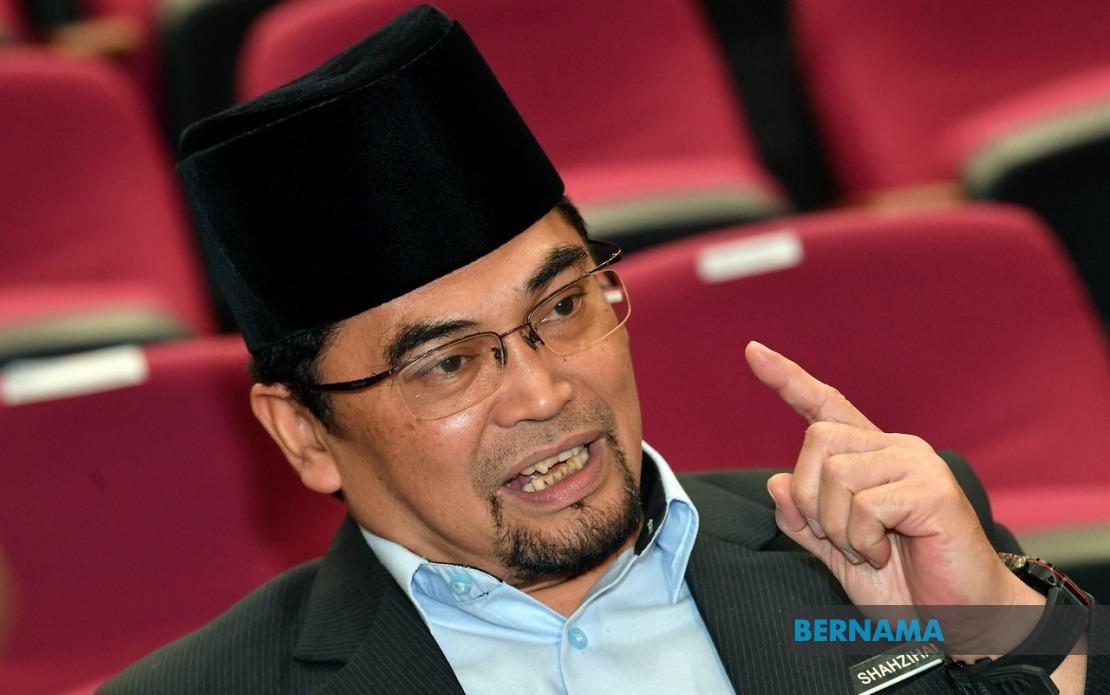
Datuk Mohd Shahzihan Ahmad, the department's director, outlined plans for a substantially more rigorous evaluation process when speaking at the conclusion of the state preparatory course for overseas students headed to the Middle East. The key pillar of this reform involves mandatory police clearance for all teaching staff, representing a significant tightening of current entry requirements. Beyond background checks, JAIS is coordinating closely with law enforcement to design a comprehensive security screening protocol that extends beyond standard criminal record verification.
The reformation process reflects growing recognition across Malaysian educational institutions that safeguarding mechanisms must evolve to meet contemporary challenges. Religious schools occupy a distinctive position within Malaysia's education ecosystem, combining spiritual instruction with academic tuition whilst often maintaining boarding facilities or extended supervision arrangements. This operational model, whilst valuable for holistic student development, creates particular duty-of-care obligations and necessitates correspondingly elevated protective standards. The police clearance requirement signals JAIS's commitment to establishing baseline trustworthiness criteria before individuals access vulnerable populations.
Mohd Shahzihan emphasised that procedural improvements alone prove insufficient without complementary cultural change within educational settings. The department is therefore developing detailed interaction guidelines that establish clear boundaries for appropriate student-teacher relationships. These protocols specifically address scenarios where misconduct typically emerges: unsupervised sessions, preferential treatment of individual students, meetings during unconventional hours, and isolated settings such as memorisation classes conducted outside standard timetables. By codifying expectations around transparency and oversight, JAIS aims to create institutional environments where inappropriate conduct becomes immediately apparent rather than concealed.
The stricter segregation measures under consideration reflect international best practice in safeguarding frameworks. Religious educational environments worldwide increasingly implement structured separation between students and staff during non-instructional periods, limiting private interactions and ensuring that substantive discussions occur within observable contexts. Implementation of such protocols requires careful calibration to maintain educational effectiveness whilst maximising protective effect. JAIS's engagement with the School Registration Committee indicates recognition that individual department initiatives must align with broader regulatory architecture governing Malaysian Islamic education.
For Malaysian parents and policymakers, these developments carry significant implications extending beyond Selangor's borders. Religious schools throughout the nation educate approximately one million students and represent a vital component of Malaysia's educational infrastructure. The model JAIS develops will likely influence approaches elsewhere in the country, particularly given Selangor's relatively advanced administrative capacity and demographic weight. Other state Islamic religious departments may adopt or adapt comparable measures, potentially generating national safeguarding standards where currently significant variation exists.
The incident prompting this reform—involving alleged sexual assault by a teacher at a Selangor religious institution—illustrates how isolated failures in institutional oversight can inflict profound harm. When complaints emerge regarding misconduct by trusted authority figures, institutional credibility extends beyond individual accountability to encompass departmental preparedness and preventive architecture. JAIS's proactive repositioning demonstrates recognition that religious communities expect their educational custodians to maintain exceptionally rigorous standards, not merely meet baseline legal requirements.
Implementing these reforms presents genuine operational challenges. Police clearance protocols, whilst essential, require coordination with Royal Malaysia Police and careful handling of sensitive information. Institutional cultural change, consistently identified by safeguarding experts as essential to abuse prevention, cannot be legislated but must emerge through staff training, transparent communication, and consistent institutional prioritisation of student protection. JAIS must balance these demands whilst maintaining the distinctive educational character that attracts parents to religious schools.
The broader Southeast Asian context renders Malaysia's approach noteworthy. Throughout the region, religious educational institutions face increasing scrutiny regarding safeguarding practices, with several high-profile cases exposing institutional vulnerabilities. Malaysia's structured response—combining mechanical screening improvements with relational protocol development—demonstrates systematic rather than reactive thinking. As regional educational standards converge and international accreditation frameworks increasingly emphasize child protection, Malaysia's religious schools face genuine competitive pressure to demonstrate world-standard safeguarding.
For students and families, these safeguarding enhancements represent institutional recognition of their vulnerability and entitlement to protection. Religious schools derive legitimacy partly from their claimed commitment to moral formation and ethical development; this credibility becomes hollow if institutions fail to protect students from harm by those entrusted with their supervision. The message embedded in JAIS's reforms suggests that the department understands this fundamental bargain: communities entrust religious institutions with their children partly because they expect transcendent commitment to student welfare.
Moving forward, JAIS's success will depend on consistent implementation across the network of Selangor's religious schools, transparency regarding outcomes, and willingness to strengthen protocols further if emerging evidence suggests current measures prove inadequate. The department should consider establishing independent monitoring mechanisms and regular safeguarding audits rather than relying solely on internal oversight. Public accountability regarding both policy development and implementation outcomes will ultimately determine whether these initiatives substantively protect vulnerable students or remain largely symbolic gestures.

