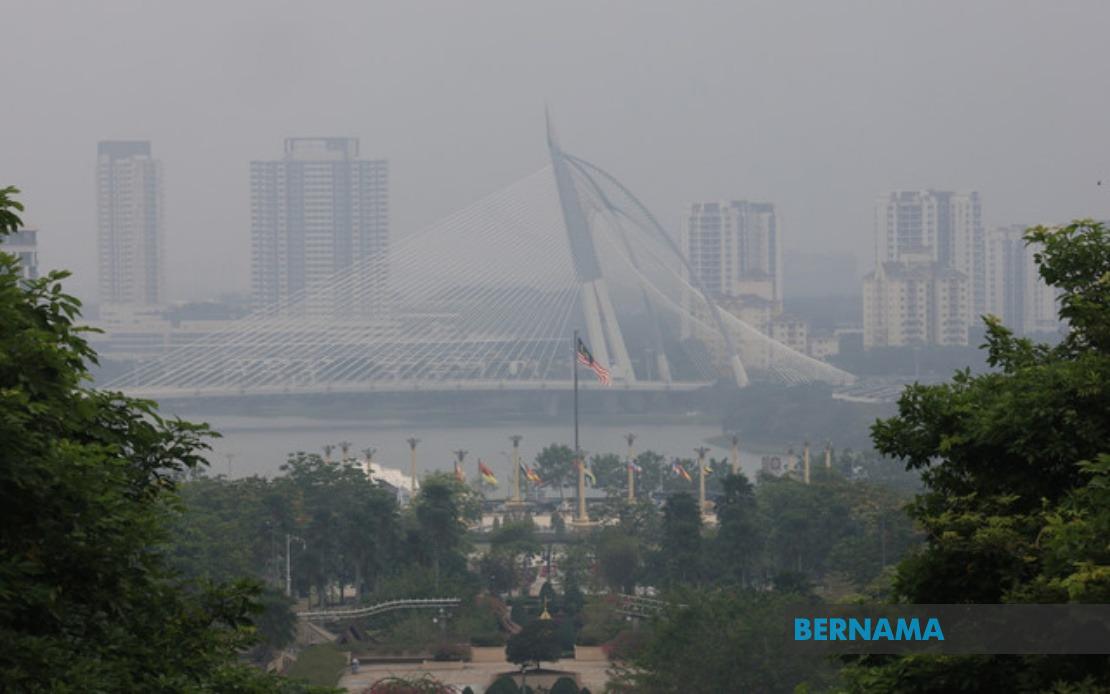
The Department of Islamic Development Malaysia has organised concurrent Solat Hajat ceremonies at three prominent mosques in the capital and federal territories this evening as the nation grapples with deteriorating air quality from transboundary haze. The special prayers, scheduled to commence after Maghrib at the National Mosque in Kuala Lumpur alongside Putra Mosque and Tuanku Mizan Zainal Abidin Mosque in Putrajaya, represent a coordinated religious response to an environmental crisis that continues to intensify across multiple regions.
The initiative comes as JAKIM director-general Datuk Dr Sirajuddin Suhaimee emphasised the spiritual dimensions of addressing the haze emergency. Beyond conventional air quality management measures and diplomatic efforts to tackle regional pollution sources, Islamic leaders are mobilising the country's Muslim population through organised collective supplication. The director-general explicitly invited Muslims nationwide to participate in these prayers, appealing to them to seek Allah's protection, health preservation, and restoration of normalcy in the affected communities. This religious mobilisation reflects how Malaysia's leadership channels institutional and spiritual resources during environmental crises.
The prayer initiative draws legitimacy from multiple governmental and royal quarters. Al-Sultan Abdullah Ri'ayatuddin Al-Mustafa Billah Shah, the Sultan of Pahang, previously issued a decree urging all Malaysians to invoke divine assistance for those suffering haze-related hardships. Additionally, Dr Zulkifli Hasan, Minister in the Prime Minister's Department (Religious Affairs), championed this collective supplication effort, signalling unified governmental support across religious and administrative channels. This convergence of royal, ministerial, and departmental backing underscores how Malaysian governance structures integrate faith-based responses within broader crisis management frameworks.
The environmental situation prompting these interventions has reached concerning proportions. As of 8 am today, 17 distinct areas across six states—Sarawak, Selangor, Negeri Sembilan, Johor, Melaka and Perak—alongside the federal territories of Kuala Lumpur and Putrajaya have recorded unhealthy Air Pollutant Index readings. This geographic distribution reveals the haze's pervasive impact, affecting both peninsular Malaysia and East Malaysia simultaneously. The concentration of unhealthy areas in developed regions like Selangor and the capital suggests that economic hubs are particularly vulnerable to air quality deterioration.
For Malaysian readers and regional observers, this situation exemplifies recurring environmental challenges facing Southeast Asia. Transboundary haze typically originates from agricultural burning in neighbouring countries, particularly during dry seasons, creating diplomatic tensions and public health concerns that transcend political borders. Malaysia's experience demonstrates how rapidly air pollution can escalate from manageable levels to public health emergencies, affecting millions within hours. The simultaneous occurrence across geographically dispersed locations indicates substantial atmospheric disturbance rather than localised pollution phenomena.
The resort to organised prayer ceremonies reflects Malaysia's distinctive approach to crisis management, where secular governance mechanisms operate alongside religious and cultural institutions. Unlike purely technical or administrative responses, involving spiritual leadership and community prayer acknowledges the psychological and emotional dimensions of environmental emergencies. For citizens experiencing respiratory difficulties, visibility restrictions affecting daily activities, and health anxieties, collective religious observance provides both practical comfort and symbolic unity during uncertainty.
The choice of three symbolically significant mosques warrants consideration. The National Mosque represents Malaysia's overarching Islamic identity and national heritage. Putra Mosque and Tuanku Mizan Zainal Abidin Mosque, both located in the purpose-built federal administrative centre of Putrajaya, emphasise governmental proximity to religious institutions and institutional Islam's integration within state structures. This deliberate selection ensures simultaneous prayers occur across venues laden with national and administrative significance, maximising symbolic reach and participants' sense of participating in coordinated national action.
The timing of these prayers during the evening—immediately after Maghrib—captures the substantial Muslim population's daily mosque attendance patterns. By scheduling proceedings after one of Islam's five obligatory daily prayers, JAKIM maximises participation among congregants already present for religious observance. This practical scheduling acknowledges demographic realities and community routines, increasing the likelihood of meaningful turnout without requiring special mobilisation efforts.
For Malaysian policymakers and environmental management authorities, these prayer initiatives complement rather than replace technical interventions. Simultaneously, government agencies would typically escalate air quality monitoring, issue public health advisories, restrict outdoor activities, and potentially conduct diplomatic representations with neighbouring countries regarding pollution sources. The religious response operates within Malaysia's pluralistic governance ecosystem where diverse institutional actors address crises through their respective competencies and constituencies.
The broader implications extend to regional environmental cooperation and public health preparedness. Haze events recurring across Southeast Asia demand sustained transnational mechanisms beyond individual national responses. Malaysia's invocation of religious solidarity suggests frustration with purely technical solutions and recognition that environmental challenges possess psychological and social dimensions requiring cultural engagement. This multi-layered response—combining administrative, diplomatic, and spiritual interventions—indicates sophisticated crisis management acknowledging that effective public response requires institutional diversity and cultural authenticity.

