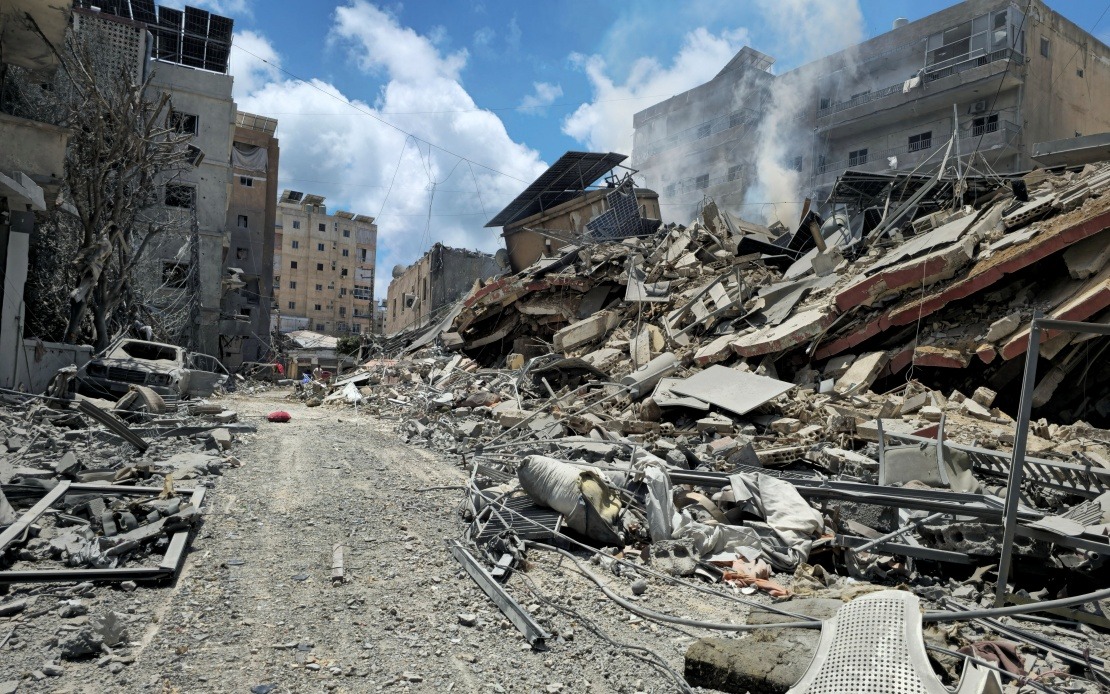
Japan has announced a US$15 million emergency humanitarian assistance package targeting three crisis-affected regions in West Asia, signalling Tokyo's commitment to alleviating suffering amid escalating regional tensions. Foreign Minister Toshimitsu Motegi disclosed the decision on Friday, outlining a carefully calibrated distribution that reflects Japan's strategic interests in maintaining stability across the Middle East while supporting vulnerable populations facing acute humanitarian shortages.
The allocation demonstrates Japan's nuanced approach to regional diplomacy. Approximately US$10 million will support Iran, the largest beneficiary, reflecting both the severity of humanitarian challenges within the country and Japan's historical diplomatic ties. A further US$4 million is earmarked for Lebanon, a nation grappling with economic collapse and political paralysis that has devastated living standards for millions. The remaining US$1 million targets Palestinians in the West Bank, addressing immediate needs arising from prolonged conflict and displacement.
Motegi emphasised that stability and peaceful resolution of disputes in the Middle East carry profound significance for Japan's own security and economic interests. Japan imports substantial quantities of oil and liquified natural gas from Gulf producers, making regional peace essential to energy security. The statement underscores Tokyo's recognition that humanitarian crises, if left unaddressed, can destabilise entire nations and spawn broader conflicts that ripple across global markets and supply chains.
The assistance will be channelled through established international organisations rather than direct government-to-government transfers, a mechanism that reduces political friction and ensures equitable distribution to those most in need. This approach aligns with Japan's preference for multilateral engagement, allowing the aid to reach vulnerable populations—including refugees, displaced persons, and impoverished communities—through trusted humanitarian networks.
For Malaysian policymakers and observers, Japan's decision carries several implications. As a fellow Asian democracy with substantial Middle Eastern economic interests, Malaysia shares Japan's concern over regional destabilisation. Both nations depend heavily on uninterrupted energy supplies and open sea lanes through the Middle East, making their humanitarian engagement partly motivated by enlightened self-interest. Japan's visible commitment to alleviating suffering may also pressure other developed economies to strengthen their own humanitarian responses.
The specific allocation to Iran reflects complex geopolitical calculation. Despite international sanctions and diplomatic tension with Western powers, Japan maintains pragmatic engagement with Tehran, viewing humanitarian assistance as a channel for maintaining dialogue and preventing further polarisation. This mirrors Malaysia's own balancing act, maintaining business relationships and diplomatic channels with Iran while avoiding direct confrontation with Western-aligned nations.
Lebanon's allocation carries particular weight. The country has experienced severe economic contraction, currency collapse, and political deadlock that have pushed millions into poverty and hunger. Japan's US$4 million contribution, while modest in absolute terms, signals solidarity with a nation where Japan maintains some diplomatic presence and business interests. Lebanon's humanitarian catastrophe, largely overlooked by international media, threatens to trigger mass migration and regional instability.
The West Bank allocation acknowledges Japan's long-standing support for Palestinian self-determination and humanitarian protection. Though US$1 million is relatively small, it reinforces Japan's diplomatic posture as a nation sympathetic to Palestinian aspirations while maintaining balanced relations with Israel. This measured approach allows Japan to advocate for humanitarian principles without appearing to take absolute political sides in an intractable conflict.
The aid encompasses food, medical supplies, and general humanitarian assistance—essentials addressing the most immediate survival needs. In contexts where economies have collapsed or warfare disrupts supply chains, such basic provisions become critical. The decision to fund through international organisations ensures that food and medical goods reach intended recipients rather than being diverted through corruption or conflict dynamics.
Motegi's commitment to continued engagement signals that this US$15 million represents an opening position rather than the final chapter of Japanese involvement. Tokyo plans to coordinate closely with other donor nations and international bodies to develop longer-term strategies for supporting Middle Eastern stability. This sustained engagement contrasts with sporadic charity and reflects sophisticated understanding that humanitarian crises demand persistent, well-coordinated responses.
For Southeast Asian nations including Malaysia, Japan's approach offers a model of how developed democracies can address humanitarian crises while protecting their own economic and strategic interests. By framing assistance as contributing to peace and stability rather than merely charity, Japan elevates humanitarian action to geopolitical necessity, justifying sustained commitment across electoral cycles and changing political priorities.
The announcement also reflects Japan's broader foreign policy pivot toward more active international engagement. Beyond development assistance, Tokyo is gradually expanding security partnerships and humanitarian diplomacy across Asia and the Middle East. This multifaceted approach recognises that sustainable regional stability requires addressing root causes of conflict—including poverty, disease, and displacement—alongside traditional security measures. Japan's US$15 million investment, therefore, represents not only compassion but also strategic foresight about the long-term prerequisites for a stable, prosperous world order from which Japan benefits considerably.

