Japan has announced a substantial humanitarian response to Venezuela's catastrophic earthquake disaster, pledging US$3.5 million in emergency grant funding alongside the deployment of additional medical personnel to support ongoing relief operations. Foreign Minister Toshimitsu Motegi disclosed the commitment during a press conference in Tokyo on Friday, underscoring Japan's broader diplomatic engagement in Latin America and its established role as a significant contributor to international disaster relief efforts.
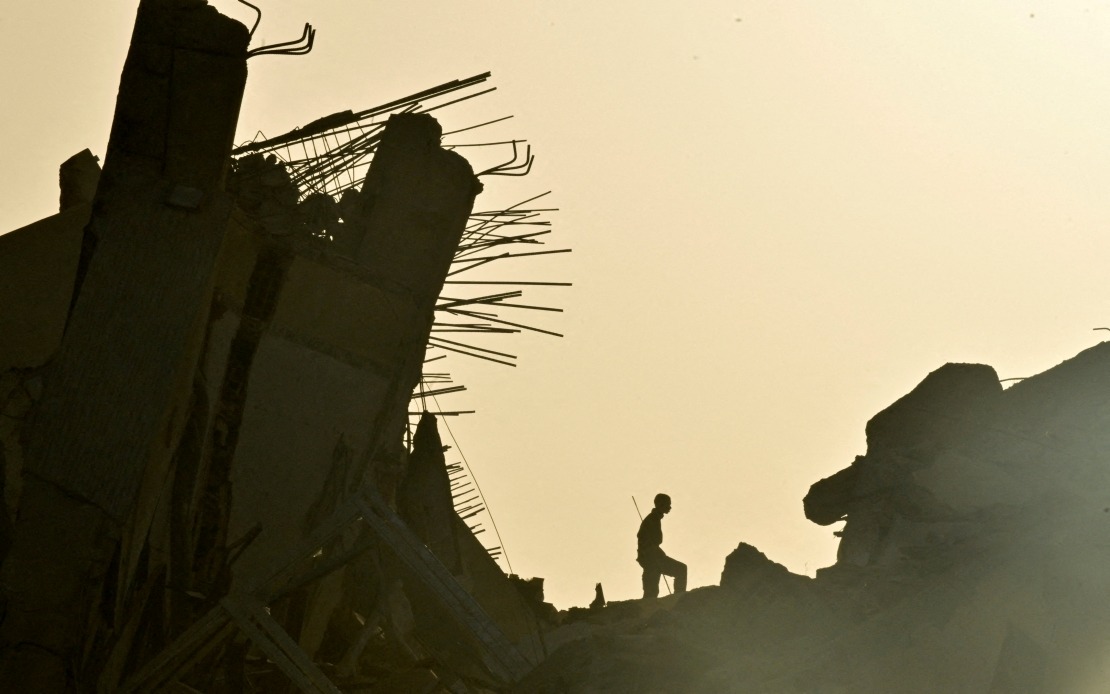
The financial package represents Japan's latest instalment of support for the Venezuelan crisis, which was triggered by twin earthquakes on June 24 that devastated large population centres and resulted in more than 3,000 fatalities. The contribution will flow through established international humanitarian organisations, with allocated resources earmarked for critical survival needs including food supplies, medical care, temporary housing solutions, and other emergency commodities essential for affected communities attempting to rebuild their lives.
Japan's commitment extends beyond financial transfers. The government is mobilising its disaster response infrastructure by deploying a second medical relief team to complement an initial contingent already operating in affected zones. This sequential deployment strategy reflects lessons learned from previous earthquake crises, where sustained medical presence proves crucial for managing trauma injuries, preventing disease outbreaks in displaced populations, and addressing ongoing healthcare disruptions that persist long after initial impact.
The timing and magnitude of Japan's response carry particular significance for Southeast Asian nations monitoring international disaster response protocols. As a region vulnerable to seismic activity, typhoons, and flooding, Malaysia and neighbouring countries benefit from observing how major developed economies structure multi-phased humanitarian interventions. Japan's approach—combining immediate relief supplies with gradual escalation of specialist teams—provides a practical template for regional cooperation frameworks.
Japan's involvement in Venezuelan relief operations also reflects broader geopolitical calculations. While the South American nation faces complex political instability beyond natural disaster considerations, Tokyo's humanitarian engagement maintains diplomatic channels and demonstrates commitment to universal disaster relief principles transcending political differences. This positioning aligns with Japan's United Nations-centred foreign policy and its efforts to strengthen soft power influence across developing regions.
The initial relief measures, decided on June 30 and implemented by July 1, established Japan's rapid-response capability. Those early interventions provided emergency supplies and authorised the first medical team deployment, establishing logistical foundations for the expanded commitment announced this week. Such sequencing allows assessment of actual ground conditions before scaling operations, reducing coordination inefficiencies that can plague large-scale international responses.
Motegi's statement emphasising continued Japanese commitment signals that this announcement may represent an opening phase rather than a conclusive response. Major earthquake disasters typically generate humanitarian needs extending across months or even years, particularly in developing economies with limited insurance systems and reconstruction capacity. Japan's public commitment to ongoing support indicates preparedness for adjusted contributions if conditions warrant expansion.
The coordination emphasis Motegi highlighted—working with international organisations and humanitarian partners—addresses a persistent challenge in disaster response. Multiple agencies and donor nations operating independently can create duplication, gaps, and inefficient resource allocation. By committing to cooperative frameworks, Japan enhances overall response effectiveness while reducing friction between responders.
For Malaysia's perspective, Japan's Venezuelan relief operation offers insights into best practices for Regional Comprehensive Economic Partnership nations considering enhanced disaster response mechanisms. The RCEP framework, while primarily commercial, increasingly incorporates humanitarian cooperation components. Japan's demonstrated capacity to mobilise financial and technical resources rapidly could inform discussions about regional emergency response protocols.
Venezuela's catastrophe also underscores vulnerability patterns affecting developing nations globally. Earthquake-prone territories with constrained government budgets and limited international investment capacity face compounded challenges when natural disasters strike. International responses like Japan's become lifelines preventing humanitarian collapse, though they highlight systemic vulnerabilities requiring longer-term development solutions.
The medical team deployment particularly addresses a critical gap in Venezuela's healthcare infrastructure, already strained by the nation's ongoing economic and political challenges. Japanese medical professionals bring specialist earthquake trauma expertise and disease prevention knowledge invaluable in post-disaster contexts. Their presence reduces immediate mortality risks and prevents secondary crises such as cholera or dysentery outbreaks common in displaced populations lacking sanitation access.
Japan's positioning within international disaster response hierarchies reflects its developed-economy status and technical capabilities. Unlike financial transfers that developing nations can provide, sophisticated medical teams require extensive pre-deployment training, equipment, and institutional experience. Japan's ability to rapidly activate such specialised resources distinguishes its contribution from monetary assistance alone.
Looking forward, Japan's Venezuelan engagement may establish precedents for enhanced ASEAN-Japan cooperation on disaster management. As climate change increases extreme weather frequency across Southeast Asia, regional nations increasingly recognise benefits from formal partnerships with developed economies possessing advanced response capabilities. Japan's demonstrated commitment to Venezuelan relief could encourage deeper institutional frameworks within the broader Asia-Pacific region.

