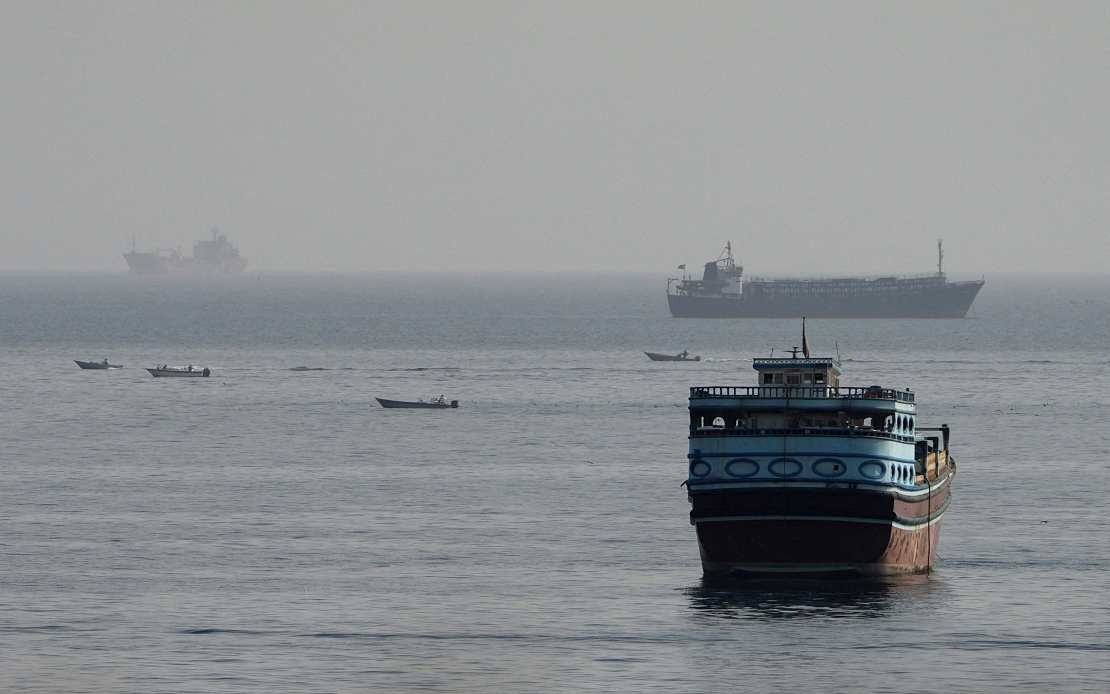
Japanese Prime Minister Sanae Takaichi has pressed Iran to maintain free passage through the Strait of Hormuz, warning against the imposition of additional transit charges during a high-level telephone conversation on Wednesday. The call underscores Tokyo's acute anxiety over the effective closure of one of the world's most critical maritime chokepoints, which has created severe disruptions to international energy supplies and trade flows that directly affect Japan's economic interests across Asia.
Speaking at her Tokyo office following the conversation with Iranian President Masoud Pezeshkian, Takaichi emphasised that any fee structure on Hormuz transits would compound existing vulnerabilities in global shipping lanes and threaten the fragile stability of energy markets upon which Japan depends. Her direct appeal reflects Tokyo's diplomatic balancing act—maintaining its traditional cooperative relationship with Tehran while also protecting its commercial interests and broader security concerns in the Middle East region.
The telephone discussion represented the first exchange between the two leaders since June and marks their fourth conversation since the escalation of US-Israeli military operations against Iran began in late February. This frequency of contact, despite the charged geopolitical environment, demonstrates Japan's determination to preserve channels of communication with Tehran at senior levels, a strategic approach that distinguishes Tokyo from some Western capitals that have adopted harder-line positions.
During the call, Takaichi also transmitted what she characterised as "deep concern" regarding deteriorating conditions in the Bab el-Mandeb Strait, the narrow waterway separating the Arabian Peninsula from the Horn of Africa. She specifically asked the Iranian leadership to exert its considerable influence over the Tehran-aligned Houthi movement in Yemen, requesting that the rebel group exercise greater restraint in its maritime operations and cease targeted attacks on commercial vessels transiting the region.
The Houthis, who announced a "maritime blockade" in July specifically targeting Saudi Arabian-flagged vessels, have escalated their destabilisation campaign by launching deadly strikes against cargo ships navigating the Bab el-Mandeb Strait. This waterway has become increasingly vital for international commerce, as shipping firms and energy producers have sought alternative routes around the effectively blocked Strait of Hormuz, creating a dual crisis in Middle Eastern maritime security that threatens the entire regional trading system.
Yemeni authorities reported on Tuesday that the latest Houthi attack on a cargo vessel in the Bab el-Mandeb represents a concerning intensification of the group's campaign, further constraining the already limited alternatives available to global shippers. With the Strait of Hormuz essentially non-functional as a transit corridor, the diversion to the Bab el-Mandeb route was supposed to provide relief, yet this alternative passage now faces its own security challenges that threaten crude oil transportation and broader commercial activity.
For Japan and other energy-dependent Asian economies, the convergence of these two maritime crises creates a compound vulnerability. Both critical shipping arteries through the Middle East face significant impediments—one through apparent closure and the other through active military harassment by non-state actors. This scenario directly impacts Japan's oil and liquefied natural gas imports, which flow overwhelmingly through these same corridors, making Tokyo's diplomatic engagement with Iran fundamentally a matter of national energy security and economic survival.
Takaichi's approach reflects Japan's historical pragmatism in Middle Eastern affairs. Tokyo has long refused to align completely with Western sanctions regimes against Iran, preferring instead to maintain diplomatic and commercial ties while managing its security alliance with the United States. This nuanced positioning allows Japan to advocate for de-escalation and the restoration of normal maritime conditions without appearing to challenge Washington's broader strategic objectives in the region.
The timing of this conversation is significant given the broader context of stalled negotiations between Washington and Tehran. The absence of diplomatic progress at the highest US-Iran level has left regional powers scrambling to prevent further deterioration of conditions that could spiral into wider conflict. Japan's intervention, though ostensibly focused on specific maritime issues, represents an attempt by a major regional stakeholder to encourage restraint and dialogue rather than further escalation.
For Southeast Asian nations with substantial shipping interests and energy dependencies on Middle Eastern supplies, Japan's mediation efforts carry broader implications. The region's economic resilience rests substantially on stable energy access and unimpeded maritime trade, making the Strait of Hormuz situation not merely a Middle Eastern concern but a critical Southeast Asian economic issue. Malaysia, Singapore, and other littoral states of the region have strong incentives to support Japanese efforts toward de-escalation and the restoration of normal shipping conditions.
Iran's response to Japanese overtures remains uncertain, but the fact that the conversation occurred at all suggests Tehran views maintaining dialogue with major Asian trading partners as strategically valuable. The Iranian leadership may calculate that cooperative engagement with nations like Japan—which cannot be easily dismissed as Western adversaries—provides a counterweight to American pressure while signalling willingness to engage in pragmatic discussions about maritime security arrangements.
The underlying question facing the international community is whether the current impasse in US-Iran relations can be overcome through continued diplomatic engagement or whether the closure of the Strait of Hormuz and harassment of alternative routes will become the new normal for Middle Eastern maritime commerce. Japan's active mediation efforts suggest Tokyo believes diplomacy remains possible and that preventing further economic damage remains achievable through sustained pressure on all parties to exercise restraint and return to negotiating tables.

