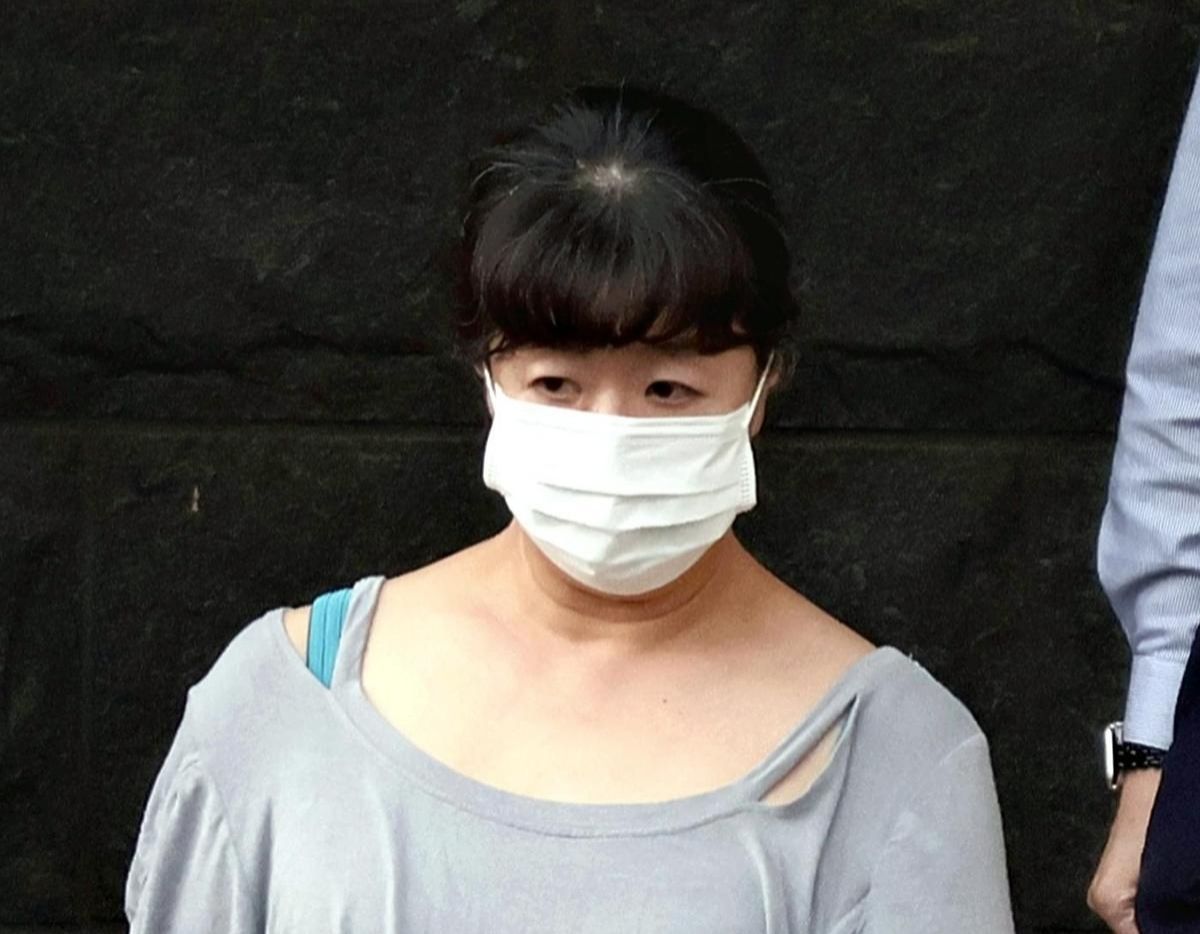
Authorities in Chiba Prefecture, Japan, have arrested a midwife on suspicion of fatally harming a hospital patient through deliberate contamination of medical equipment. The arrest on Wednesday follows a months-long investigation into the suspicious death of a 75-year-old man at Kashiwa Tanaka Hospital in late January, marking a significant breach of trust in Japan's healthcare system and raising serious questions about patient safety protocols in medical facilities.
Miyuki Furukawa, 51, faces murder charges after police determined that she allegedly inserted faeces into the extension tube of an intravenous drip administered to the patient during the early morning hours of January 30. The contamination reportedly occurred at approximately 3.55am, with the patient subsequently deteriorating and dying the following evening around 10.30pm on January 31. The victim, who was a resident of Toride in neighbouring Ibaraki Prefecture, was under care at the hospital for what investigators have not yet fully disclosed to the public.
The case has shocked Japan's medical community and public alike, as it represents an extraordinarily rare instance of deliberate harm inflicted by healthcare personnel within a hospital setting. Such cases challenge fundamental assumptions about the safety environment that patients should expect when admitted to medical facilities. The alleged act constitutes one of the most egregious forms of medical malfeasance, combining premeditation with access to vulnerable hospitalised individuals.
Chiba prefectural police have launched a comprehensive investigation to establish Furukawa's motive for the alleged crime. Understanding her motivation represents a critical dimension of the case, as investigators seek to determine whether her actions stemmed from personal conflict with the victim, workplace grievances, psychological disturbance, or other factors. The investigation will likely examine her employment history, relationships with colleagues and patients, and any prior incidents that might have signalled concerning behaviour.
The manner in which the contamination was discovered and investigated remains partially unclear from available information. Medical staff at Kashiwa Tanaka Hospital must have identified abnormalities in the patient's condition that prompted suspicion of deliberate contamination rather than natural illness. The hospital's protocols for documenting unusual clinical deterioration and preserving evidence appear to have functioned adequately enough to preserve the investigation chain, though questions may arise about whether warning signs preceding the fatal incident were missed or ignored.
This incident carries profound implications for healthcare worker screening and institutional accountability in Japan. Healthcare systems across Asia, including Malaysia, maintain rigorous credentialing processes for medical personnel, yet the Kashiwa case underscores that institutional vigilance alone cannot guarantee prevention of harm by employees with access to vulnerable patients. The case raises uncomfortable questions about whether additional security measures, supervision protocols, or psychological screening should form part of standard healthcare employment practices.
The breach represents a stark violation of medical ethics and the duty of care that healthcare workers pledge to uphold. Midwifery traditionally carries particular significance in patient trust, as midwives occupy a position of intimate responsibility during one of life's most vulnerable moments. When trust is weaponised in this manner, the damage extends beyond the individual victim to affect confidence in healthcare systems broadly.
For Malaysian healthcare administrators and policymakers, the incident offers a cautionary lesson about the need for robust internal controls and oversight mechanisms within hospitals. While Furukawa's alleged actions appear premeditated and exceptionally brazen, prevention strategies might include surveillance of restricted areas where IV equipment is stored, mandatory two-person procedures for certain preparations, and systems that flag unusual patterns in patient deterioration during specific shifts or under particular staff members' care.
The investigation by Chiba prefectural police will likely take considerable time to develop a complete understanding of events surrounding the patient's death and Furukawa's potential motives. Prosecutors will need to establish definitively the causal link between the alleged contamination and the patient's death, involving medical experts to explain how faecal matter in an IV line would have produced the clinical presentation documented in the hospital's medical records.
As information emerges from the ongoing investigation, the case may generate policy discussions within Japan's healthcare sector regarding improved workplace culture, mental health support for medical personnel, and strengthened verification procedures. Other hospitals in Japan and throughout Asia may review their security and oversight protocols in response to the incident, even though such extraordinary criminal conduct by healthcare workers remains statistically rare.
Furukawa remains in police custody pending further developments in the investigation and potential prosecution. The case exemplifies the severe consequences that can arise when individuals in positions of medical trust abandon their professional responsibilities and ethical obligations. Her alleged actions have not only claimed one life but have also shaken public confidence in hospital safety and worker reliability throughout the region.

