A retail company operating a variety store in Japan's Aeon Mall Kumamoto has publicly acknowledged instructing two of its staff members to return inside the building following a powerful earthquake on Tuesday, an order that preceded the catastrophic explosion that claimed their lives. The admission comes as Japanese authorities continue investigating the disaster, which has become one of the deadliest incidents in the nation in recent years, raising critical questions about workplace safety protocols and employer decision-making in natural disaster scenarios.
Habita, the company responsible for managing the store, confirmed the instruction during a media briefing on Monday. The two women, including a 22-year-old employee, had initially and safely evacuated the premises after the magnitude 7.1 earthquake struck Kumamoto Prefecture in southwestern Japan. However, they were subsequently directed to re-enter the building with a specific mission: to transfer the day's cash proceeds from the store located on the second floor to a safe positioned on the first floor. This decision would prove fateful, as a massive explosion rocked the mall shortly after the staff returned inside.
Koji Yuse, a 64-year-old sales manager at Habita's Kumamoto-based operations, personally acknowledged issuing the order to the store manager, who in turn instructed the two employees to proceed. In a statement to reporters, Yuse expressed remorse for the decision, saying: "I think the order was inappropriate. I deeply regret it." The company has subsequently apologised to the families of the deceased and provided bereaved relatives with a written account detailing the sequence of events that led to the tragedy.
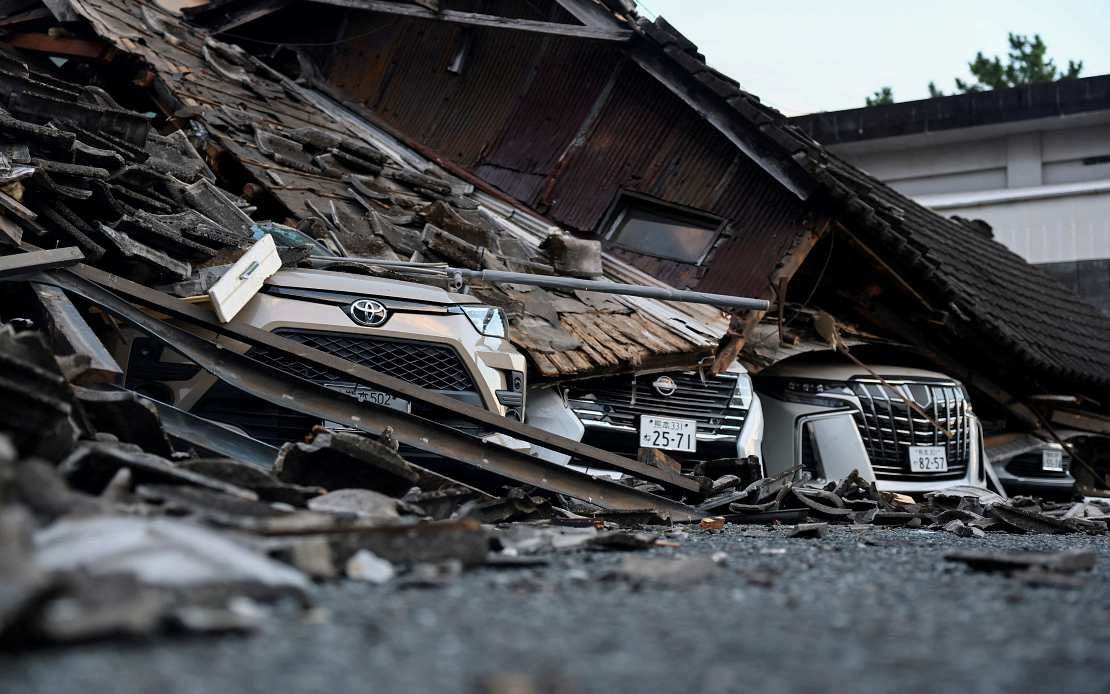
The disaster unfolded with devastating speed on Tuesday. The magnitude 7.1 earthquake registered as a 7 on Japan's seismic intensity scale, the highest classification in the country's measurement system. The tremor triggered widespread damage across the region, and minutes later, a catastrophic explosion tore through the Aeon Mall Kumamoto structure in Kashima Town. The blast claimed seven lives, including the two Habita employees who had been sent back to secure the store's revenue. The remaining five victims were other individuals present in the mall at the time of the explosion.
This incident exposes a critical tension in Japanese workplace culture between asset protection and employee safety during emergency situations. The decision to prioritise recovering cash over worker welfare, even momentarily after a major seismic event, reflects priorities that many safety experts would consider misaligned with contemporary disaster management standards. The timing proved especially tragic given that the staff had already successfully exited the building, placing them outside the danger zone before being directed back in.
For Malaysian readers and regional observers, the case demonstrates how organisational hierarchies and profit-focused decision-making can override emergency protocols even in a nation renowned for its robust disaster preparedness infrastructure. Japan has long been regarded as a global leader in earthquake preparedness, yet this incident underscores that procedural excellence alone cannot eliminate risks when individual managers exercise discretion in high-stress situations without clear guidelines preventing such judgments.
The broader impact assessment reveals mounting casualties from the Tuesday earthquake and its consequences. The Kumamoto prefectural government reported that as of Tuesday morning, 36 people had been confirmed dead directly attributable to the earthquake itself. Additionally, two further deaths remain under official investigation, suggesting the final toll may climb higher as emergency services continue recovery and assessment operations across the affected region.
This tragedy carries implications for workplace safety standards across East Asia, where rapid economic development has sometimes outpaced the development of employee protection protocols during natural disasters. The incident will likely trigger formal reviews of emergency response procedures at major shopping centres and retail establishments throughout Japan, with particular attention to the decision-making authority granted to individual managers during evacuation and post-disaster situations.
For international businesses operating in seismically active regions like Japan, Malaysia, and Indonesia, the case reinforces the necessity of establishing explicit, non-negotiable protocols that prevent any consideration of asset recovery until all employees have reached designated safe zones. Insurance and financial safeguards should be calibrated to absorb the loss of daily cash proceeds rather than placing workers in harm's way to preserve revenue.
The incident also highlights the importance of organisational transparency in the aftermath of workplace tragedies. Habita's relatively swift public acknowledgment of responsibility and expression of remorse, while perhaps insufficient to ease the families' grief, demonstrates the company's recognition that concealment would ultimately prove far more damaging to its reputation and operations than honest confrontation with the consequences of its decision-making process.
As Japan's emergency response authorities continue investigating the precise cause of the mall explosion, the role of human decision-making in contributing to the casualty count will remain a focal point. Safety experts across Southeast Asia will likely reference this case when developing or revising emergency protocols, using it as a cautionary example of how even well-intentioned, experienced managers can make catastrophically wrong choices when operating under stress and without explicitly formulated prohibitive guidelines governing their authority during major disasters.

