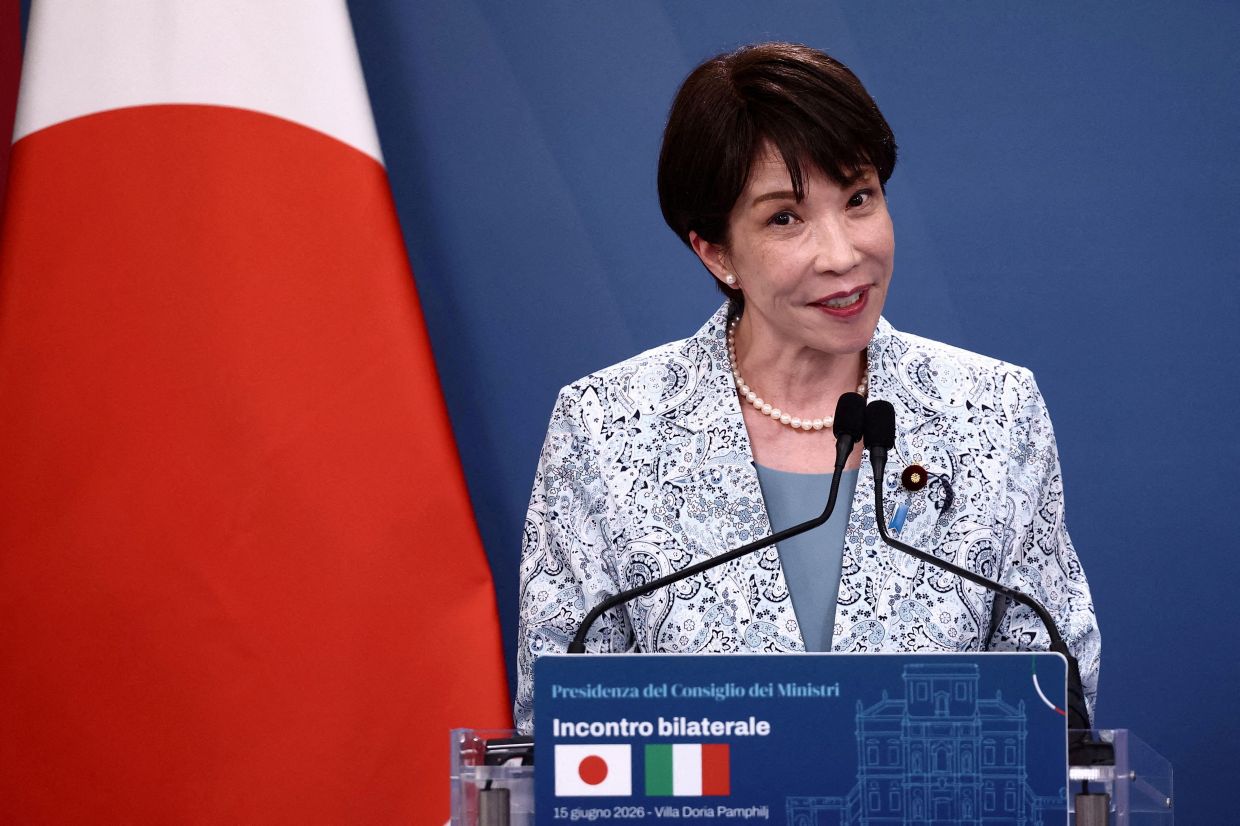
Japanese Prime Minister Sanae Takaichi faces a significant political headwind as her cabinet's approval rating dipped below the crucial 50 per cent threshold for the first time since she assumed office in October, marking a notable shift in public sentiment after months of relative stability. The Jiji Press survey released Thursday revealed her administration has slipped to 49 per cent support, signalling potential vulnerability ahead of future electoral contests and policy battles in the Diet.
The erosion of backing has proven most pronounced among Japan's ageing population, traditionally a more politically engaged demographic. Voters in their 60s have withdrawn their support dramatically, plummeting from 63.7 per cent approval just a month earlier to 39.9 per cent in the latest measurement. This swing among senior citizens represents a particularly troubling trend for Takaichi, as older voters typically demonstrate higher turnout rates and wield considerable influence in Japan's electoral calculations. The shift suggests that demographic support which previously anchored her coalition has fractured significantly.
Though Takaichi retained her position as Japan's first female prime minister through a commanding parliamentary victory in February's snap elections, that triumph now appears a distant memory as she confronts the grinding reality of governing during complex times. Her earlier appeal transcended traditional conservative boundaries, resonating especially with younger voters attracted to her diplomatic credentials, personable demeanour, and the symbolic promise of political renewal she embodied. That youthful coalition proved instrumental in delivering electoral success when government fortunes seemed dire.
Feedback from remaining supporters indicates that confidence in Takaichi's leadership qualities and personal integrity continues to resonate as her administration's principal assets. Voters who back her government frequently cite her character and capacity to steer Japan through turbulent circumstances. However, these positive attributes have proven insufficient to offset mounting frustration among the broader electorate. The predominant complaints centre on a pervasive sense that her administration cannot deliver meaningful results—described succinctly in public feedback as "cannot hope for much"—combined with substantive critiques regarding policy direction and implementation.
International complications have shadowed her premiership and likely contributed to deteriorating domestic support. Takaichi's November statement suggesting that Japan might contemplate military intervention should Taiwan face attack triggered significant diplomatic friction with Beijing, which regards the self-governing island as an integral part of its territory. This pronouncement, whilst reflecting genuine security concerns shared across Tokyo's foreign policy establishment, complicated regional relationships and may have unsettled voters anxious about military entanglement in cross-strait disputes. The comment revealed the tensions inherent in balancing clear security commitments with maintaining stable regional relationships.
Domestically, Takaichi has pursued culturally conservative initiatives that have proven polarising. Earlier this month, approximately 150 Japanese academics and intellectuals petitioned lawmakers to oppose her proposed legislation criminalising desecration of Japan's national flag. The bill exemplifies Takaichi's nationalist inclinations and reflects priorities that resonate with her core conservative base but generate organised opposition among intellectuals and civil society figures concerned about freedom of expression. Such initiatives, whilst energising her ideological supporters, simultaneously mobilise counter-movements that amplify societal divisions.
The timing of the approval decline offers one silver lining for Takaichi's administration: recent months have witnessed moderating price pressures across the Japanese economy. After years of deflation, inflation had surged dramatically, imposing severe hardship on ordinary households and contributing directly to the rapid political collapse of her two immediate predecessors. That inflationary pressures have begun easing provides modest economic relief and removes one immediate pressure valve threatening further deterioration in public confidence. Stable or declining prices, assuming the trend persists, could help arrest her declining popularity and potentially restore some confidence in her economic stewardship.
For observers tracking Japanese politics, Takaichi's situation illustrates the precarious nature of political mandates in contemporary Japan. Despite commanding legislative majorities and genuine accomplishments, approval ratings can shift dramatically within months as public mood transforms. Her experience mirrors broader patterns in Japanese politics where voters have grown increasingly volatile and demanding, rotating prime ministers with striking frequency over the past two decades. This volatility reflects genuine frustration with governance outcomes and heightened public expectations for tangible results.
The implications extend beyond Tokyo's domestic political competition. As Japan navigates complex regional security challenges involving China, Taiwan, and North Korea, whilst simultaneously managing US alliance relationships and internal economic pressures, political stability matters profoundly. A weakened prime minister operating below the 50 per cent approval threshold faces constrained room for manoeuvre on contentious issues and may encounter difficulty mobilising parliamentary supermajorities for significant legislation. These constraints arrive precisely when geopolitical circumstances demand decisive and sustained Japanese leadership, creating a period of potential vulnerability for Tokyo's strategic positioning throughout the region.

