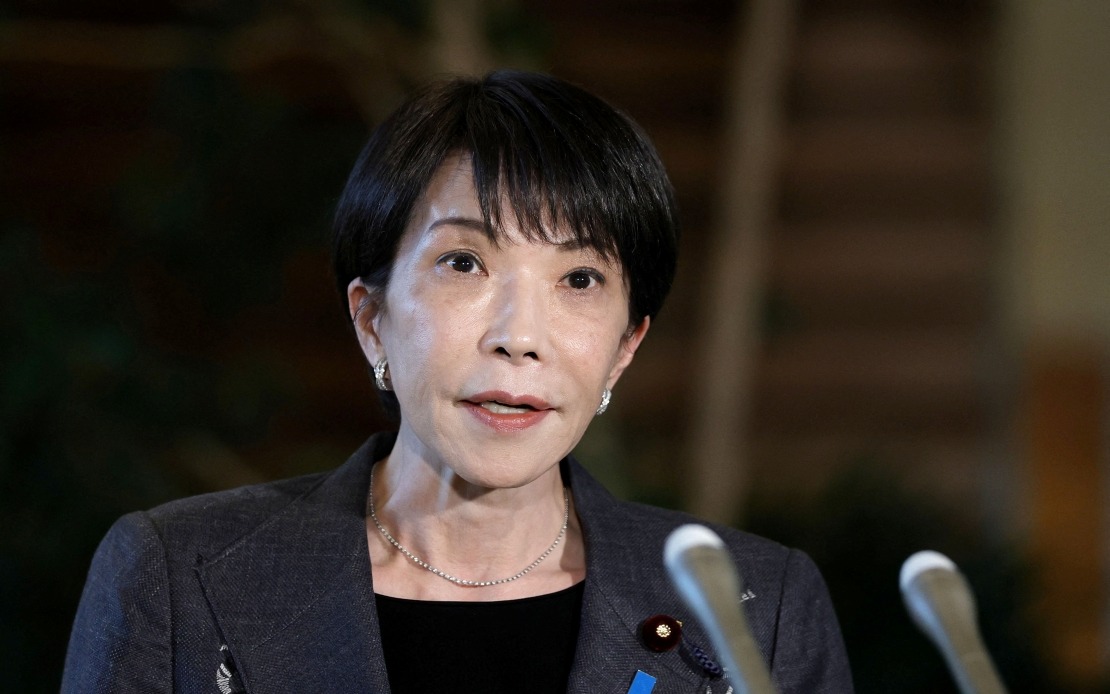
Japanese Prime Minister Sanae Takaichi made a symbolic gesture toward Japan's wartime past on Saturday by sending a ritual offering to the Yasukuni shrine in Tokyo, maintaining a careful distance from the site itself as the nation commemorated the 81st anniversary of World War II's end. The conservative leader, who had previously visited the shrine regularly before assuming office, financed the offering from her personal funds in her capacity as president of the ruling Liberal Democratic Party, according to senior party officials. This approach reflects the delicate political balance Takaichi must maintain between honouring Japan's conservative base and avoiding direct provocations that could inflame regional tensions.
Defence Minister Shinjiro Koizumi became the first sitting defence chief in several years to visit Yasukuni shrine on the August 15 anniversary, a date laden with symbolic weight across East Asia. Koizumi's predecessor, Minoru Kihara, last made such a visit on August 15, 2024, before being elevated to his current position as chief Cabinet secretary. The shrine visits by high-ranking government officials underscore the enduring resonance of wartime memory in Japanese politics, particularly within conservative circles that emphasise national pride and strategic autonomy.
The Yasukuni shrine remains one of the most contentious symbols in East Asian international relations. The facility honours 14 wartime Japanese leaders who were enshrined as Shinto deities in 1978, including General Hideki Tojo, who served as wartime prime minister and was executed in 1948 after conviction for crimes against peace. Most of those enshrined were Class-A war criminals prosecuted by the International Military Tribunal for the Far East, making visits by serving officials particularly inflammatory to neighbouring nations.
For Malaysia and other Southeast Asian nations, these symbolic gestures carry historical weight. Japan's occupation of territories across East Asia during World War II left deep scars, and the continued debate over how Japan acknowledges this period shapes regional perceptions of its commitment to peaceful coexistence. The choice by Japanese leaders to visit or send offerings to a shrine honouring convicted war criminals sends mixed signals about historical reckoning, even as Japan otherwise presents itself as a peaceful, rules-based power in regional affairs.
China and South Korea have consistently and sharply criticised such shrine visits by Japanese prime ministers and senior officials, viewing them as insufficient acknowledgment of Japan's wartime aggression. China endured extensive occupation during the war, while Korea suffered under Japanese colonial rule from 1910 to 1945. These nations interpret shrine visits as signs that Japan fails to fully confront the moral dimensions of its wartime conduct. Regional observers have noted that Takaichi's decision to avoid a personal visit while arranging an offering represents a compromise position—acknowledging the shrine's significance to her political base whilst avoiding the most provocative gesture.
Takaichi's restraint regarding direct visits since taking office last October demonstrates awareness of the diplomatic minefield surrounding Yasukuni. Before her appointment, she had visited during seasonal festivals and on August 15 anniversaries, establishing her credentials with conservative supporters. However, as Prime Minister, she has adopted a more cautious stance, recognising that her actions carry heightened diplomatic consequences. This shift illustrates how Japanese political leaders navigate competing domestic pressures and regional sensitivities, a challenge that will persist as long as contested historical narratives remain unresolved.
Other Cabinet members participated in Saturday's shrine visits, including Hitoshi Kikawada, who serves as state minister for Northern Territories affairs. The Northern Territories—islands off Hokkaido that Japan claims were illegally seized by the Soviet Union after the war—represent another layer of historical grievance in Japan's postwar foreign policy. Senior Liberal Democratic Party executives, including Secretary General Shunichi Suzuki and other senior figures, also visited the shrine, reflecting institutional commitment within the ruling coalition to maintaining ties with this symbol of Japanese nationalism.
Japan's contemporary security posture adds another dimension to these symbolic acts. Despite committing itself to peace through its war-renouncing Constitution in the postwar decades, Japan has responded to what it describes as an increasingly severe security environment by substantially boosting defence capabilities and spending. This strategic reorientation, coupled with conservative politicians' visits to Yasukuni shrine, creates a complex picture for regional partners trying to assess Japanese intentions. The simultaneous embrace of constitutional pacifism and enhanced militarisation, alongside veneration of wartime leaders, raises questions about how Japan defines its role in the region.
For regional stakeholders including Malaysia, these developments warrant careful attention. Japan remains a crucial economic and security partner for Southeast Asia, yet the unresolved historical dimensions of its relationship with China and Korea occasionally create friction that affects broader regional dynamics. Understanding how Japanese politicians navigate these domestic constituencies whilst managing international relationships provides insight into the foundations underlying Japan's regional engagement. The shrine visits, though primarily symbolic, reflect deeper currents in Japanese politics regarding national identity, historical memory, and strategic purpose that will continue shaping the country's trajectory in coming years.

