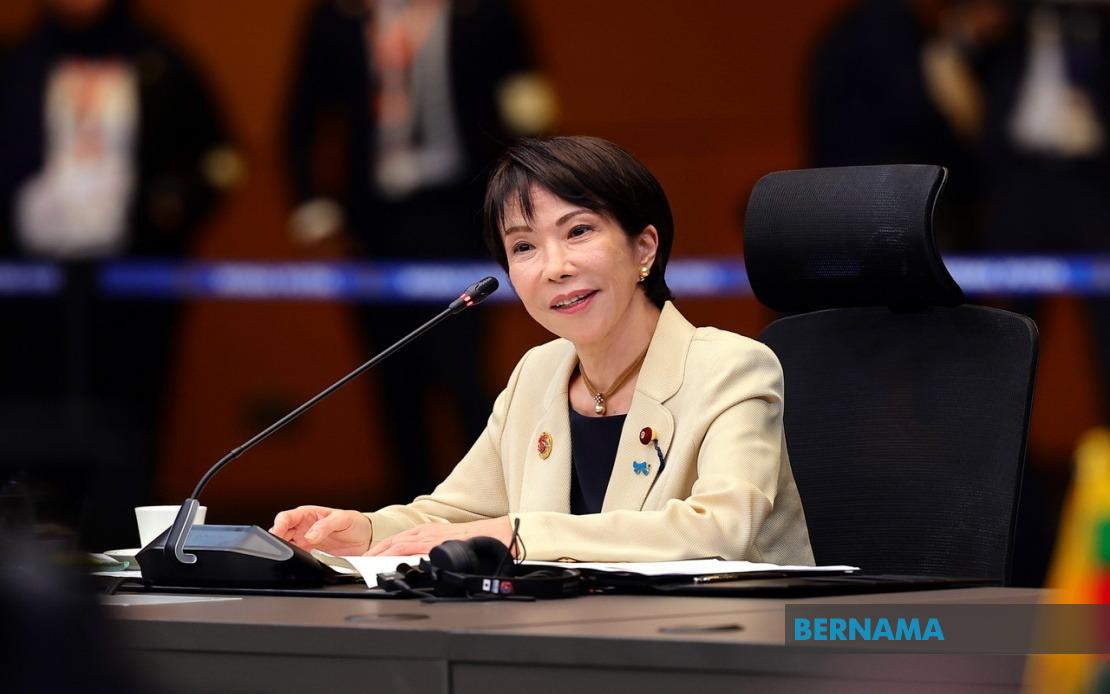
Japanese Prime Minister Sanae Takaichi has pressed for the restoration of secure maritime transit through the Strait of Hormuz, one of the world's most strategically vital shipping corridors, during Monday telephone discussions with Oman's Sultan Haitham bin Tariq al-Said. The appeal comes at a moment when diplomatic efforts between the United States and Iran have stalled, leaving regional stability and global trade flows in an uncertain state.
The Strait of Hormuz represents the critical chokepoint through which roughly one-third of the world's seaborne oil trade passes daily. For Japan, a resource-dependent nation heavily reliant on Middle Eastern petroleum supplies, the security and freedom of navigation through this waterway directly affects energy security and economic prosperity. Takaichi's intervention reflects Tokyo's deep concern that any prolonged disruption could reverberate across Asia's supply chains and inflate fuel costs across the region.
Oman has assumed a quiet but significant diplomatic role in recent months, engaging in separate discussions with Iran regarding the disputed shipping corridors. According to Kyodo News, these consultations appear aimed at facilitating dialogue and potentially resolving tensions that have periodically threatened maritime commerce. Oman's geographic position on the Arabian Peninsula and its traditionally neutral diplomatic posture have made it a natural intermediary in regional disputes.
When apprised of Takaichi's concerns, Sultan Haitham responded by pledging that Oman would seek counsel from and give proper consideration to the perspectives of all nations that depend on the waterway for their commerce. This diplomatic assurance, relayed by Takaichi to journalists outside her Tokyo office, suggests that Oman views itself as a broker of consensus rather than a partisan actor. The Sultan's commitment to consulting affected parties indicates a willingness to factor the interests of major trading partners, including Japan, into Oman's approach.
Japan's explicit engagement on this issue underscores how profoundly Middle Eastern tensions affect Asian economies that sit thousands of kilometres away. Tokyo has historically maintained careful diplomatic balance in the region, avoiding direct confrontation while protecting its vital economic interests. Takaichi's phone call demonstrates that Japan remains actively engaged in behind-the-scenes diplomacy to prevent escalation.
The broader context involves years of friction between the United States and Iran, punctuated by periods of limited nuclear negotiations and mutual sanctions. These tensions have occasionally manifested in the form of shipping disruptions, maritime incidents, and insurance complications that make transiting the Hormuz Strait more costly and risky. When negotiations between Washington and Tehran lose momentum, regional uncertainty tends to increase, prompting major trading nations to seek reassurance from neighbouring states with diplomatic influence.
Malaysia and other Southeast Asian nations share Japan's vulnerability to Hormuz-related disruptions. As export-dependent economies with significant oil and gas import requirements, Malaysian businesses face direct exposure to any sustained interruption of Middle Eastern supply routes. The success or failure of Oman's mediation efforts therefore carries implications extending across the broader Asian region, affecting everything from manufacturing costs to energy prices at the pump.
Oman's diplomatic positioning is delicate. The country must maintain cordial relations with Iran while simultaneously being receptive to the concerns of major international trading partners and traditional partners such as the United States and Gulf Cooperation Council members. By pledging to consult widely, Sultan Haitham positioned Oman as a neutral convener rather than a partisan actor, which enhances its credibility as a mediator.
Takaichi's outreach also reflects a broader Japanese strategy of reinforcing security partnerships across the Indo-Pacific region. In recent years, Tokyo has been more vocal about defending the international rules-based order and freedom of navigation—principles that underpin global commerce and directly benefit maritime trading nations like Japan. The Prime Minister's intervention signals that Tokyo will continue engaging diplomatically to protect these interests.
The outcome of current discussions between Oman and Iran remains uncertain, but the level of international attention now focused on the Strait of Hormuz suggests that major economies view the stakes as significant. Whether through Omani mediation, US-Iranian negotiations, or multilateral pressure, restoring confidence in the security of this critical shipping lane has become a priority shared across multiple continents and economic systems.
For regional observers monitoring the situation, Takaichi's statement carries symbolic weight beyond its immediate diplomatic content. It reflects growing nervousness among major Asian economies about the sustainability of current arrangements and an implicit recognition that alternative routes and energy sources, while technically possible, cannot replace the Hormuz Strait's centrality to global oil markets in the near term. The diplomatic dance now underway in Muscat may therefore prove consequential for stability and prosperity far beyond the Middle East.

