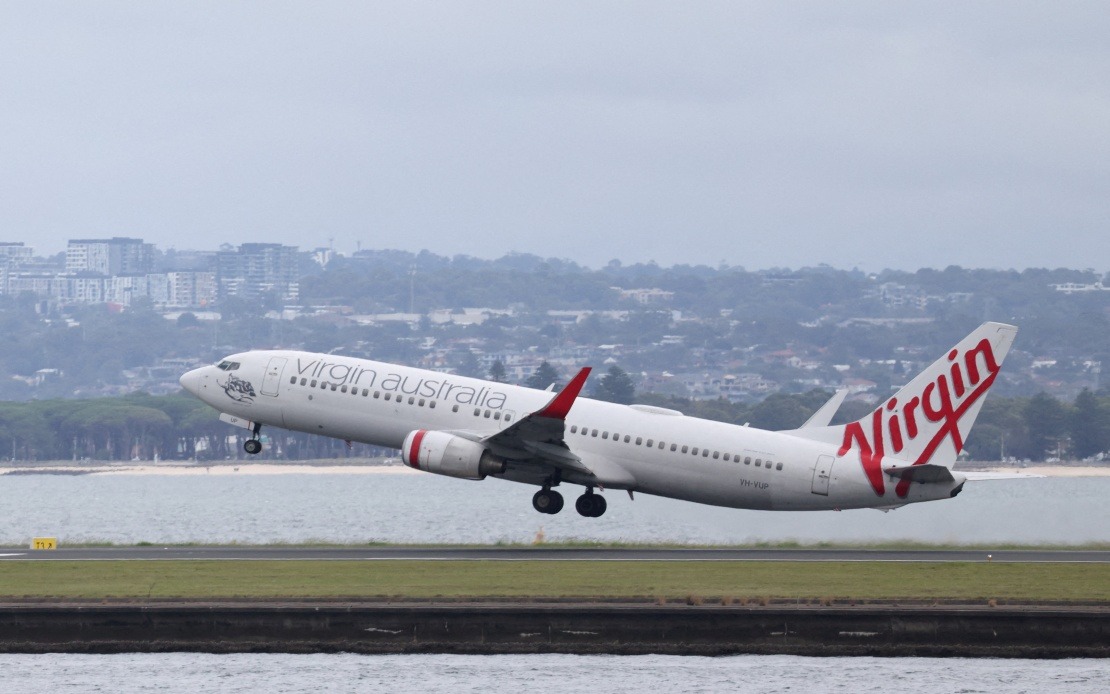
A dangerous moment unfolded on the tarmac at Sydney Airport on Sunday morning when Jetstar flight JQ402, preparing for departure to the Gold Coast, came into close proximity with an unmanned Qatar Airways Boeing 777 that was being towed across the runway. The Jetstar pilots were forced to apply emergency braking around 7 am local time to prevent what could have been a catastrophic collision. The evasive action, though successful in avoiding impact, resulted in injury to at least one cabin crew member on the Jetstar aircraft, who required treatment from ambulance paramedics at the scene. Fortunately, the aircraft carried no passengers at the time of the incident, preventing what might have been mass casualties.
Jetstar Airways, which operates as a wholly-owned subsidiary of Australia's largest airline Qantas, initiated a formal investigation into the near-miss immediately following the incident. In a statement, the airline's spokesperson acknowledged that its aircraft had been executing directives issued by Air Traffic Control when the emergency braking became necessary. The statement emphasised that the pilots were responding to an unexpected incursion by the Qatar Airways aircraft that entered into proximity without adequate warning, forcing them to take immediate evasive action to maintain safe separation.
The incident comes at a particularly sensitive time for airport operations in Sydney, as the facility had experienced significant disruptions in the preceding days. On Friday and Saturday, more than 250 flights departing from Sydney suffered delays that were directly attributable to staff shortages affecting Airservices Australia, the government entity responsible for providing air traffic control services across Australia's major aviation hubs. This chain of operational challenges raises troubling questions about whether systems and protocols at one of Australia's busiest airports remain adequately resourced to handle the volume of traffic safely.
Airservices Australia's staffing difficulties represent a broader concern about the sustainability of Australia's aviation infrastructure during peak periods. The shortage significant enough to cascade delays across hundreds of flights suggests deeper issues with workforce planning and capacity management. When air traffic control operations are stretched thin, the risk environment for all aircraft operating at the airport fundamentally changes, creating conditions where normal procedures may be harder to execute with precision and where the margin for error narrows dangerously.
From a regional perspective, this incident carries implications for Southeast Asian aviation stakeholders and airlines operating within and through Australian airspace. Qantas and its subsidiary Jetstar operate extensive networks connecting Australia to Southeast Asia, and Qatar Airways maintains significant operations throughout the region. Any systemic challenges affecting safe operations at Sydney Airport reverberate across these networks, potentially impacting flight reliability and passenger confidence in these carriers' services throughout Asia-Pacific routes.
The near-collision also underscores the critical importance of precise coordination between ground personnel, pilots, and air traffic control during taxiing operations. While aircraft are most vulnerable during takeoff and landing phases, the taxiing portion of operations—particularly when multiple aircraft are moving or being towed simultaneously—presents discrete hazards that require constant attention. Runway incursions, even when avoided as in this case, represent the type of incident that aviation safety specialists regard with considerable gravity.
The investigation undertaken by Jetstar will likely examine communications between the pilot and ground control, the procedures followed by personnel towing the Qatar Airways aircraft, and whether established separation standards were maintained throughout the incident. Such investigations typically review radio communications, radar data, and witness statements to reconstruct the sequence of events and identify any procedural lapses or system failures that contributed to the situation developing.
While the immediate outcome—avoiding a catastrophic collision—represents a success for pilot training and emergency response protocols, the occurrence itself signals that conditions at Sydney Airport may be approaching operational limits. The combination of staff shortages causing widespread delays and a narrow escape from a serious ground incident within a 48-hour window suggests that aviation authorities and airport operators need to reassess capacity, staffing levels, and safety margins systematically.
For Malaysian readers and businesses with aviation interests, this incident reinforces why aviation safety remains non-negotiable regardless of operational pressures or resource constraints. The incident also demonstrates how quickly situations can escalate when multiple aircraft are in proximity and coordination breaks down, even briefly. As Malaysia continues developing its own aviation sector and infrastructure, particularly at Kuala Lumpur International Airport and other regional hubs, maintaining rigorous safety standards and adequate staffing for air traffic control remains paramount, regardless of cost considerations.

