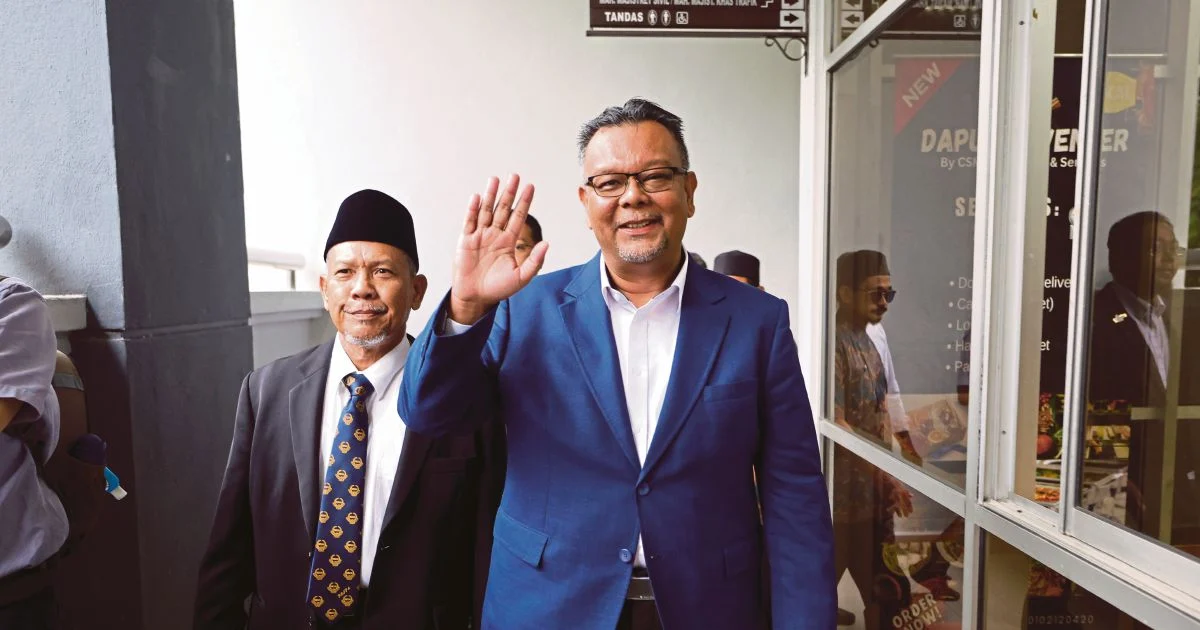
Dr Haim Hilman Abdullah, who represents the Jitra state constituency, appeared before magistrates in Seremban today to face allegations that he made statements designed to incite public distress. The assemblyman entered a plea of not guilty to the charge, marking the beginning of what could become a protracted legal proceeding involving questions about the boundaries of political speech in Malaysia.
The charge against the Jitra assemblyman falls under legislation that prohibits the making or dissemination of statements likely to cause alarm or unnecessary anxiety among the public. Such provisions have been invoked periodically against political figures, activists, and commentators, though they remain contentious among civil rights advocates who contend they can be weaponised to suppress legitimate political discourse.
The case carries implications extending beyond the individual assemblyman. Legal analysts and political observers in Malaysia have noted that charges of this nature often generate broader conversations about the balance between maintaining public order and preserving the space for forthright political expression. Courts in Malaysia have consistently grappled with interpreting how statements should be assessed and at what threshold they cross from permissible opinion into illegal incitement.
For the Jitra constituency and the broader Kedah political landscape, the proceedings represent a significant development. State-level assemblymen occupy positions of considerable influence in shaping local discourse and representing constituent concerns to state and federal authorities. When such figures face legal challenges, the dynamics within their constituencies and within state assemblies can shift, particularly regarding how other elected representatives approach their own public communications.
The procedural elements of the case remain in early stages. With Dr Haim Hilman's not guilty plea recorded, the matter will likely proceed to disclosure of evidence and preparation for trial. The prosecution will need to establish the specific nature of the statements in question, the context in which they were made, and demonstrate that they were calculated to cause or were likely to cause public alarm according to the relevant legal standards.
In the Malaysian political context, such charges have occasionally been deployed in disputes between rival political factions, though prosecutors and investigating authorities maintain they apply the law impartially. The case involving the Jitra assemblyman will be watched closely by political parties across the spectrum, as it may set precedents or provide guidance on how statements by elected representatives are evaluated by the judiciary.
The magistrate's court in Seremban will oversee the proceedings, with the judiciary's interpretation of the relevant statute becoming potentially instructive for future cases. Malaysian courts have sometimes emphasised that context matters considerably when assessing whether statements were genuinely likely to cause public alarm, distinguishing between rhetoric intended to mobilise political supporters and communications designed to create genuine distress or fear.
The timing of the charge, the specific statements referenced, and the circumstances surrounding the complaint all remain to be explored through the court process. Political observers will track how the case develops, as it touches on questions relevant to Malaysia's evolving standards for political conduct and the role of the judiciary in adjudicating disputes that blur the line between law enforcement and political controversy.
For Southeast Asian democracies more broadly, the case reflects broader tensions in the region regarding how governments and courts handle political speech. Malaysia's experience with such charges contributes to wider regional conversations about the appropriate scope of legal restrictions on political expression and the importance of ensuring that security laws and public order provisions do not become tools for suppressing legitimate political activity.
The outcome of Dr Haim Hilman's case will influence perceptions about judicial independence and the application of public alarm laws in Malaysia. Whether the court finds the charge proven or dismisses it, the judgment will likely inform how political figures in Malaysia calibrate their public statements and how legal professionals advise clients on the boundaries of permissible political speech.

