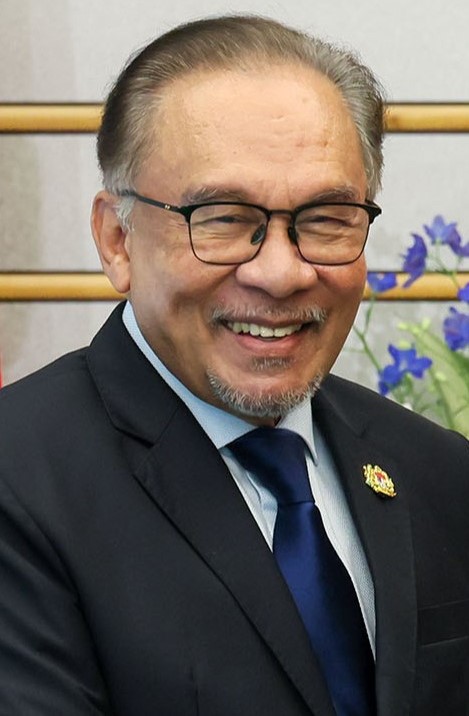
Dr Haim Hilman Abdullah, the assemblyman for Jitra, will appear before the Seremban magistrate's court to respond to charges stemming from allegations related to remarks he made concerning pathways into higher education institutions. The Kedah-based politician faces a court date that marks the culmination of an investigation into statements attributed to him about university admission processes.
The charges represent a significant development in a matter that has drawn attention to the intersection of politics and educational policy in Malaysia. Higher education access remains a contentious issue in the country, touching on questions of merit, equity, and the role of political actors in shaping public discourse around university admissions. The case against the Jitra representative underscores ongoing scrutiny of public figures who make claims regarding sensitive educational issues.
University admission has long been a flashpoint in Malaysian public discourse, with various stakeholders holding differing views on how places should be allocated among competing applicants. The education system, particularly tertiary-level entry, intersects with broader societal concerns about fairness, opportunity, and the mechanisms through which students gain access to degree programmes. Political figures have periodically waded into these debates, sometimes making assertions that prompt official investigation.
The Jitra assemblyman's position as an elected representative adds a layer of significance to the proceedings. Kedah state assemblymen hold positions of considerable local influence, often serving as intermediaries between constituents and government institutions. When such figures make public statements about educational pathways, these comments can carry particular weight among voters and community members seeking to navigate complex institutional systems.
The decision to bring charges against Dr Haim Hilman reflects the authorities' determination to investigate claims made in the public domain about higher education access. Malaysia's approach to public statements touching on sensitive policy areas has evolved, with increased willingness to examine assertions that may mislead the public or misrepresent institutional processes. The investigation and subsequent charges indicate that the allegations were deemed serious enough to warrant formal legal proceedings.
For Kedah politics specifically, this development carries implications for the state's political landscape. Jitra is a significant constituency within the state assembly, and the legal challenges facing its representative may influence local political dynamics and constituent confidence in their elected official. The court case will likely attract regional media attention and public interest given the political profile of the defendant.
The broader context involves ongoing debates about transparency and accountability in Malaysia's education sector. Universities and educational institutions face pressure to clearly communicate their admission criteria and procedures to counter misinformation. When politicians make sweeping claims about access to higher education without substantiation, authorities may perceive a need to intervene through legal channels to protect institutional credibility and public trust.
Seremban magistrate's court, located in Negeri Sembilan's capital, will serve as the venue for the proceedings. The choice of jurisdiction suggests the charges may fall under the magistrate's purview in terms of severity and the applicable legal framework. The court appearance will establish the formal charges against Dr Haim Hilman and likely outline the specific allegations relating to his statements about university admission.
The outcome of the case remains uncertain, but the proceedings themselves represent an important moment in examining how Malaysian authorities respond to public figures making claims about sensitive institutional matters. The resolution may set precedent for future cases involving political figures and statements about educational access, particularly regarding the standards of evidence and accountability expected from elected representatives when discussing complex policy areas.
For Malaysian readers and Southeast Asian observers, this case demonstrates the complex relationship between political speech, institutional integrity, and legal accountability. As higher education becomes increasingly competitive and politically salient across the region, questions about who can legitimately speak on these issues and what standards they must meet take on greater importance. The proceedings against the Jitra assemblyman exemplify how these tensions play out in the Malaysian context.