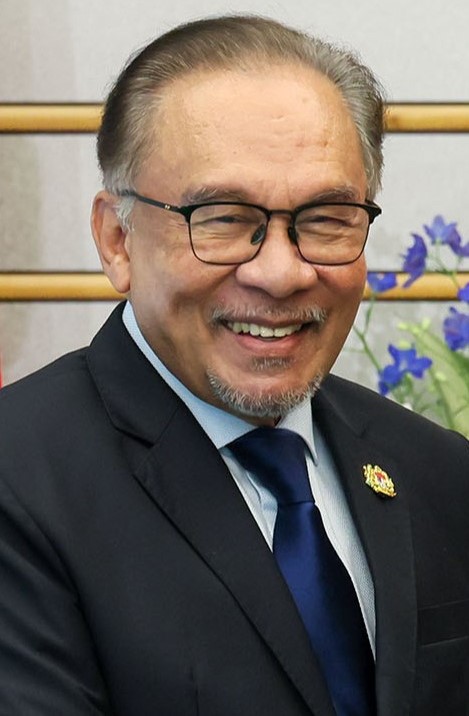
The Johor chapter of Barisan Nasional is preparing to make public its full roster of candidates contesting the upcoming state election, with the formal announcement anticipated to take place tomorrow morning in Johor Baru. This move represents a critical juncture in the coalition's election strategy, as it sets the stage for campaigning across the state and provides voters with clarity on who will represent the BN at the ballot box.
The timing of the candidate unveiling reflects the coalition's efforts to maintain momentum ahead of the election cycle. By announcing its lineup in a coordinated fashion, Barisan Nasional seeks to project unity and organisational competence to the electorate, particularly important given the intensely competitive nature of Johor politics. The state, which has long been a traditional BN stronghold, has seen shifting political dynamics in recent years, making each election cycle increasingly consequential for the coalition's national standing.
For Malaysian political observers, Johor's electoral fortunes carry outsized significance beyond the state's borders. As the nation's second-largest state and a key economic powerhouse, Johor's political complexion influences broader regional stability and national coalition dynamics. A strong performance by BN in Johor would reinforce its position as a dominant political force, while any reversal would signal emerging challenges within its traditional support base.
The candidate announcement process itself involves intricate calculations regarding seat distribution among BN's component parties, demographic considerations, and the need to balance incumbent politicians with fresh faces. These internal negotiations, though largely conducted behind closed doors, reflect the complex power dynamics within the coalition and its member parties' competing interests. The final list represents compromises reached among senior leadership figures across the BN structure.
Johor's political landscape has undergone considerable transformation since the 2018 federal election, which brought significant upheaval to Malaysian politics. The state experienced its own transitions in leadership and party allegiances, with various political figures shifting positions and alliances. These developments have created a more fluid electorate that cannot be taken for granted, necessitating careful candidate selection that resonates with changing voter priorities and demographic shifts.
The upcoming election in Johor will test various political narratives that have gained traction in recent years. Economic issues, infrastructure development, education, and governance quality rank among voter concerns that candidates will need to address. By revealing its candidates publicly, BN allows voters to assess the coalition's proposed representatives and evaluate their suitability for addressing state-level challenges and aspirations.
For the component parties within Barisan Nasional operating in Johor—notably UMNO, MCA, and MIC—the candidate selection reflects their respective strategic priorities and electoral calculations. UMNO, as the dominant component, typically receives the lion's share of contested seats, though power-sharing arrangements ensure representation for other coalition members. These internal dynamics, while essential to coalition cohesion, sometimes generate friction among member parties seeking greater recognition and resources.
From a regional Southeast Asian perspective, Malaysia's political processes and electoral contests attract attention as indicators of democratic health and coalition stability. The manner in which Barisan Nasional conducts its candidate selection and subsequent campaigning offers insights into Malaysian political culture and the evolving preferences of the nation's voting public. The results in Johor may also influence political calculations in other states currently governed by different coalitions.
The candidate announcement tomorrow will likely generate immediate analysis regarding seat distribution, competitive contests, and potential shifting of political allegiances. Media coverage and political commentary will dissect the choices made, scrutinising whether BN has selected candidates capable of holding existing seats and recapturing any lost ground. The public perception of the candidate slate could significantly influence campaign momentum in the weeks and months ahead.
Voters across Johor will soon have the opportunity to evaluate BN's proposed representatives against candidates fielded by opposition coalitions. This electoral competition remains a fundamental democratic exercise, allowing citizens to exercise choice and influence their state's governance trajectory. The stakes for all parties involved are considerable, as electoral performance in Johor reverberates through Malaysia's broader political ecosystem and potentially influences perceptions of the ruling coalition's viability and popularity across the nation.