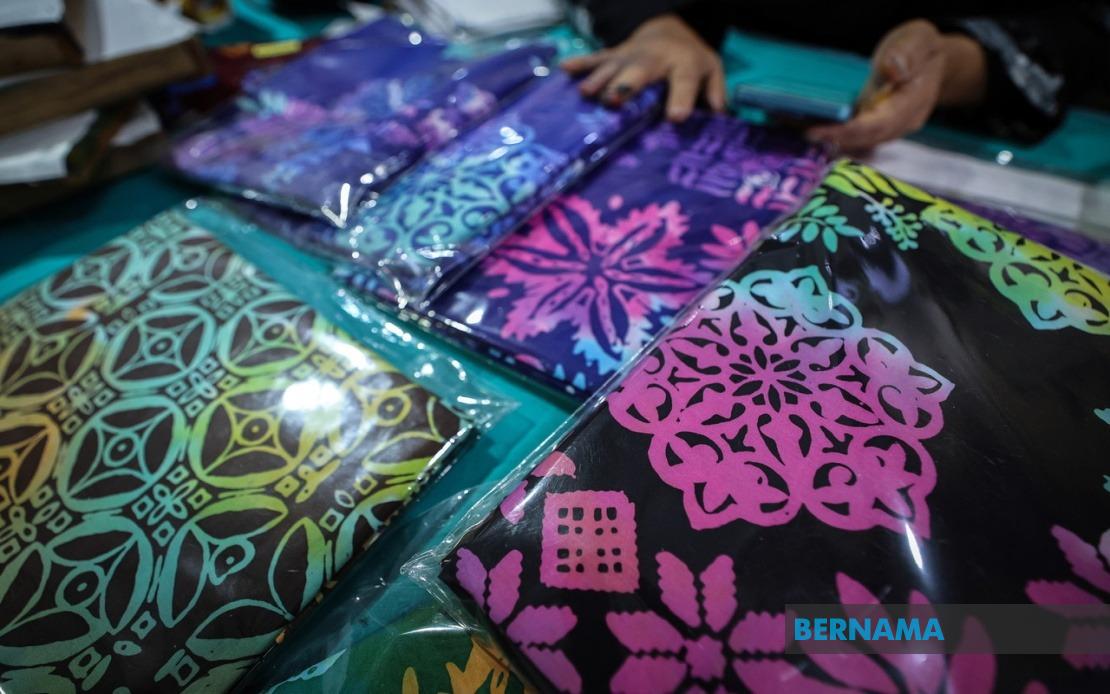
Batik production, long synonymous with Malaysia's East Coast states, is taking root in Johor through the efforts of artisans who are consciously anchoring their work to the state's unique environmental and cultural landscape. Rather than replicate the established designs of Terengganu and Kelantan, Johor's textile makers are mining local identity—from the mangrove ecosystems of Sedili to the agricultural heritage of Muar—to create a distinct regional niche within the broader batik market.
The creative direction being pursued reflects a deliberate strategy to differentiate Johor Batik from competitors. Motifs now feature imagery of black pepper, gambir, mangrove forests, coral reefs, and tiger-stripe patterns, each chosen to evoke specific connections to Johor's geography, history, and cultural fabric. This approach transforms batik from a generic craft into a storytelling medium where textiles become vehicles for regional pride and tourist appeal.
At the forefront of this movement is Maimunah Yaacob, a 58-year-old pioneer who has devoted over three decades to establishing and promoting batik production within Johor. Her journey began in 1993 when she undertook foundational training in canting (hand-drawn batik) techniques in Terengganu, followed by two years of advanced instruction in Kuala Lumpur. This dual apprenticeship equipped her with both traditional methodology and contemporary design sensibility—assets that would prove crucial as she navigated an initially indifferent market.
Starting with minimal capital of RM2,000 and operating from her kitchen, Maimunah embarked on what would become a decades-long enterprise despite widespread commercial skepticism about batik's commercial viability. Her early success hinged not on copying established patterns but on identifying market gaps. She recognised that consumers sought visual distinctiveness, and she positioned Johor Batik as fundamentally different from the designs already saturating the marketplace. This entrepreneurial intuition—to specialise rather than generalise—became the cornerstone of her business model.
Maimunah's design philosophy demonstrates sophisticated geographic specificity. Muar and Pontian, historically significant agricultural districts, feature motifs inspired by the berembang tree and pineapple cultivation. Kota Tinggi and Sedili, both coastal communities, incorporate mangrove and coral reef imagery that directly reflects their maritime character and livelihood patterns. This granular approach to regional representation ensures that each design carries authentic local significance rather than serving as generic tropical symbolism. The tiger-stripe patterns and references to pepper and gambir cultivation further anchor the work to Johor's colonial-era trade history and natural resource base.
The technical execution of Johor Batik remains rooted in traditional hand-drawn methods employing hot wax and canting tools, a commitment that distinguishes the product from industrialised alternatives. Maimunah contends that authentic batik can be identified by the characteristic way dye penetrates evenly through both fabric surfaces—a quality absent in machine-printed imitations. This technical integrity serves as both a quality marker and a defence against cheaper competition, positioning hand-drawn batik as a premium product justified by its labour-intensive production and superior aesthetic properties.
Despite intense competition from machine-manufactured textiles that can undercut artisanal products on price, Maimunah has maintained commitment to traditional methodology. This strategy reflects a market segmentation approach where handmade batik occupies a distinct consumer category—one valued for craftsmanship, uniqueness, and cultural authenticity rather than cost competitiveness. The pricing strategy reinforces this positioning, with products ranging from RM35 for headscarves to several hundred ringgit for silk attire sets, suggesting price-sensitive buyers versus collectors and luxury consumers.
Market validation has emerged through official channels and regional recognition. Johor Batik has achieved prominence through exhibitions such as the National Craft Day celebration in Kuala Lumpur and the Johor Craft Festival, events that provide visibility and legitimacy within Malaysia's cultural economy. Cross-border demand from Singapore consumers further indicates that Johor Batik has gained appeal beyond its home state, suggesting the regional differentiation strategy successfully attracts tourism-driven and expatriate purchasing.
To maintain momentum and broaden its appeal, the sector is simultaneously pursuing contemporary and casual design directions aimed at younger demographics. This dual approach—preserving traditional craft techniques while evolving design aesthetics toward contemporary tastes—addresses a common challenge facing heritage industries: remaining culturally authentic while remaining commercially relevant to new generations. Products marketed as casual wear and accessible-priced items create entry points for younger consumers who might otherwise dismiss batik as heritage costume rather than everyday fashion.
Maimunah's advocacy for expanded formal training programmes reflects recognition that Johor Batik's long-term sustainability depends on knowledge transfer and generational succession. Without systematic training and apprenticeship structures, the craft risks remaining concentrated among a handful of ageing practitioners. Her calls for government-supported programmes align with broader cultural preservation imperatives and economic diversification strategies that position heritage crafts as viable income sources for rural and semi-rural communities.
The broader significance of Johor Batik extends beyond textile production to regional economic development and cultural identity consolidation. By establishing a recognisable product category anchored to state-specific heritage elements, Johor creates tourism assets, artisanal employment opportunities, and cultural distinction within Malaysia's increasingly homogenised consumer landscape. The model also offers lessons for other states and communities seeking to develop heritage-based enterprises: success emerges from authentic regional specificity rather than imitation of established centres, combined with technical excellence and strategic market positioning.

