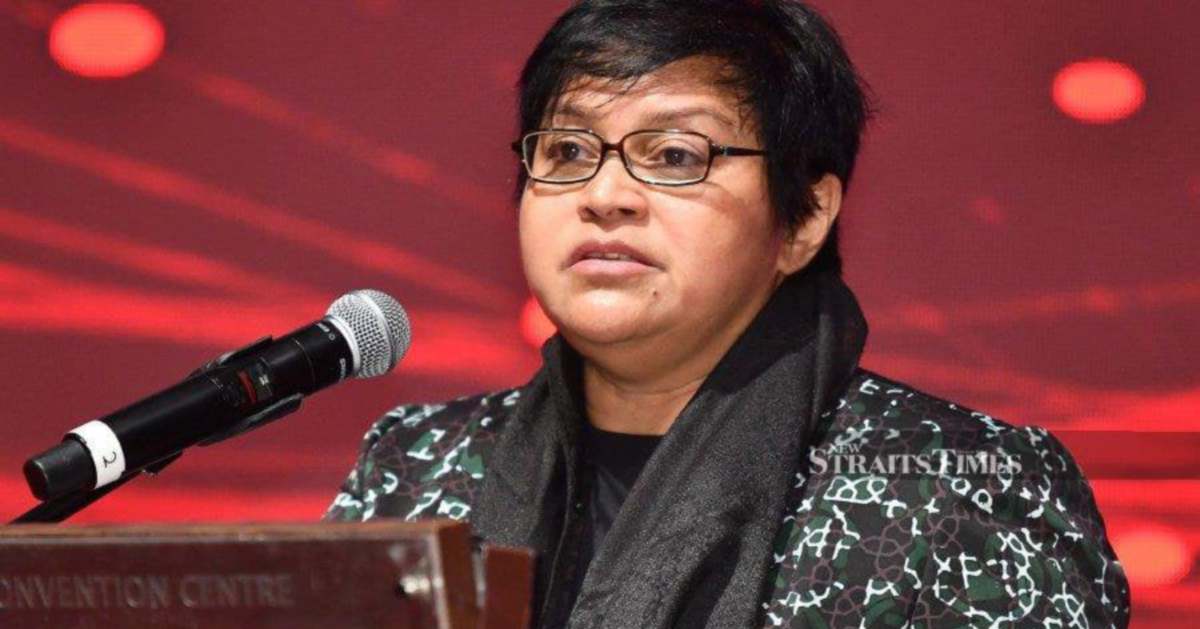
Datuk Seri Azalina Othman Said, the information chief for Umno, has cautioned against premature discussions surrounding the formation of a potential coalition or unity government in Johor, emphasising that such conversations must remain postponed until the electoral outcome becomes clear. Speaking from Putrajaya, Azalina underscored the importance of allowing the democratic process to unfold without speculation about post-election arrangements that could cloud voters' judgment at the ballot box.
Her remarks reflect growing awareness within Umno's leadership that early coalition building or power-sharing negotiations risk appearing opportunistic or disconnected from the actual mandate the electorate intends to deliver. In Malaysia's political landscape, where coalition arrangements have historically shaped government formation, the timing of such discussions carries significant weight in how voters perceive genuine commitment to addressing their concerns versus purely transactional political maneuvering.
Johor, as one of Malaysia's most economically significant states and a traditional Umno stronghold, represents crucial territory in the party's political calculations. The state has been a bellwether for national political sentiment, and its election results typically influence broader regional and federal political dynamics. Any unified government formation in the state would carry implications extending beyond its own borders, potentially affecting coalition stability at the national level.
Azalina's intervention suggests internal discussions may already be occurring within Umno and potentially between coalition partners about possible post-election scenarios in Johor. By publicly calling for restraint, she signals that the party's leadership recognises the political sensitivity surrounding such matters. Premature announcements about coalition intentions could alienate swing voters who prefer to see an election fought on policy platforms rather than through backroom arrangements determined before votes are counted.
The broader context involves Umno's strategic positioning following the 2022 general election and subsequent political realignments. The party has been navigating complex relationships with various political entities, and state-level elections present opportunities to reshape electoral mathematics. In Johor specifically, establishing clear governance arrangements early would theoretically simplify post-election administration, but Azalina's statement suggests the party views this transparency concern as secondary to maintaining credibility with voters.
Malaysian voters have increasingly demonstrated dissatisfaction with what they perceive as unprincipled coalition hopping or predetermined power arrangements that circumvent genuine electoral competition. The rise of independent candidates and splinter parties in recent cycles reflects this sentiment. Umno's leadership appears attuned to this reality, recognising that appearing to negotiate with other parties before the electorate has spoken could undermine their election campaign messaging.
The question of unity governments in Malaysia has evolved considerably over recent years. The historic Perikatan Nasional and subsequent cooperation arrangements have created precedent for cross-party cooperation, yet they have also demonstrated the risks and instability that can accompany such alliances. For state-level governance in Johor, clarity about potential partners and arrangements would ordinarily be advantageous, but electoral strategy dictates otherwise.
Azalina's position also reflects generational shifts within Umno's political management. Younger leadership cohorts appear more cognisant of media scrutiny and voter sentiment regarding transparency and democratic principles. By framing coalition discussions as necessarily post-electoral, she positions Umno as principled and democratic, willing to negotiate only after the people have rendered their verdict.
The timing of such statements often carries tactical significance. By publicly articulating this position now, Azalina effectively constrains coalition partners from making counter-claims about pre-arranged deals, while simultaneously messaging to voters that Umno will respect electoral outcomes before entering into binding agreements. This rhetorical manoeuvre serves multiple audiences simultaneously.
For Malaysian political observers and regional analysts tracking state-level electoral dynamics, Azalina's remarks provide insight into how established parties are positioning themselves amid changing voter preferences and increasing demand for democratic legitimacy. The statement suggests Umno's leadership understands that electoral success and subsequent governance require political capital earned through fair-seeming electoral processes rather than negotiated in advance.
The Johor election remains significant on Malaysia's political calendar, and statements from senior party figures inevitably shape the broader narrative surrounding the contest. By insisting on restraint regarding coalition arrangements, Umno's information chief attempts to elevate the political discourse while simultaneously signalling to voters that their preferences will determine governance outcomes.
How other political parties respond to Azalina's framing will influence the election's conduct and tone. If opposition and alternative groupings similarly commit to post-election coalition discussions, the result would be a cleaner electoral contest focused on policy platforms and leadership quality. Alternatively, if other parties are perceived as circumventing this approach, Umno gains positioning advantage as the guardian of democratic propriety.

