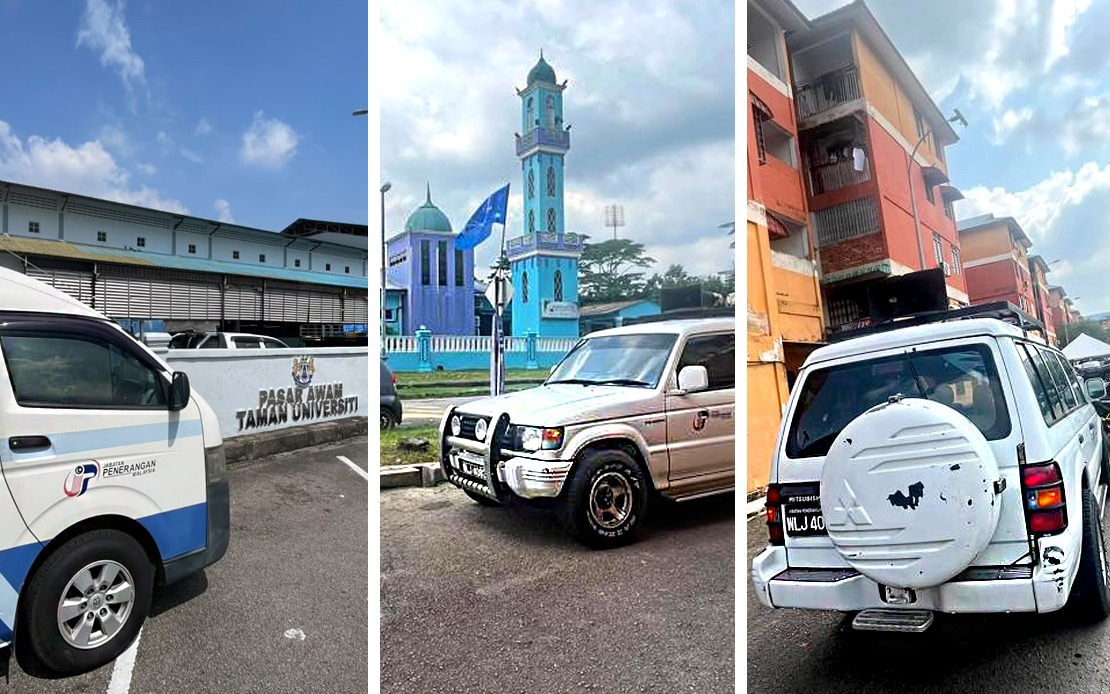
The Johor Department of Information is taking an unconventional approach to electoral mobilisation by deploying 26 Info On Wheels mobile units throughout the state in a bid to maximise voter turnout for the 16th Johor state election. Rather than remaining stationary, these units will traverse all 10 districts and 56 state constituencies, bringing official election information directly to citizens in communities where they live and work. The strategy represents a deliberate shift away from traditional passive information dissemination, reflecting a recognition that reaching voters requires active engagement beyond conventional media channels.
According to Johor JAPEN director Mohd Rizal Hashim, the mobile units represent a comprehensive ground operation designed to ensure no corner of the state remains uninformed about critical election details. The information campaign focuses on distributing verified facts about polling dates, enabling voters to check their registration status, and providing practical reminders about voting procedures. By taking this mobile approach, JAPEN aims to eliminate barriers that might prevent citizens from accessing essential information—a particularly important consideration in a state as geographically diverse as Johor, which encompasses bustling urban centres and remote rural settlements.
The operational scope of this initiative extends across dramatically different population centres and community types. The units will navigate through densely packed urban neighbourhoods where foot traffic and commercial activity dominate, into residential suburban areas where families constitute the primary demographic, and crucially, into rural communities, Felda settlements, and Orang Asli villages where traditional information channels may be less effective. This comprehensive geographic coverage reflects an understanding that voter participation varies significantly across different regions and that customised engagement strategies are necessary to reach all segments of the electorate.
Timing forms a critical element of the campaign strategy. Announcements and public engagement efforts will intensify significantly during the three days immediately preceding polling day, with particular concentration during morning and evening hours when residents are most likely to be outdoors or receptive to public communications. These peak periods correspond with commute times and leisure hours when citizens are in transit or moving through their neighbourhoods, making them optimal windows for direct voter contact and last-minute reminders about their civic obligations.
The initiative addresses a challenge that has become increasingly prominent in modern democratic processes: the proliferation of misleading information and misinformation during election periods. Mohd Rizal acknowledged that JAPEN personnel will engage in face-to-face advocacy programmes specifically designed to counter false narratives and slanderous claims that tend to circulate more readily during elections. This ground-level truth-correcting function serves as a counterbalance to the rapid spread of unverified information across social media platforms, creating what the department hopes will be an ecosystem where verified facts can compete more effectively with deliberate falsehoods.
The framing of voting itself within the JAPEN campaign goes beyond simple civic participation to encompass a broader conception of democratic agency and collective responsibility. Officials characterise voting not merely as a constitutional right that citizens may exercise if they choose, but as an obligation that carries genuine weight in determining the trajectory of the state's development over the next five years. This rhetorical approach seeks to elevate voting from an optional activity to a fundamental responsibility that shapes the state's economic direction, developmental priorities, and overall well-being. For Malaysian voters, particularly those who may harbour reservations about political participation, this reframing carries implications for how they understand their relationship with governance structures.
The election itself represents a significant political moment for Johor, a state that occupies considerable strategic importance within Malaysia's political landscape due to its size, economic contributions, and demographic diversity. The outcome of the 16th state election will influence policy directions across sectors ranging from agriculture and manufacturing to education and infrastructure development. For voters in Johor, the choices they make on polling day translate directly into decisions about which parties and candidates will control state resources and shape policy priorities over the ensuing five-year term. This connection between individual voting decisions and tangible policy outcomes forms the underlying logic justifying JAPEN's intensive voter engagement efforts.
The department's explicit call for voters to plan their journeys in advance and avoid last-minute complications reflects practical lessons learned from previous elections. By encouraging early planning and advance preparation, JAPEN seeks to reduce the friction that might otherwise prevent voters from reaching polling stations. Long queues, transportation difficulties, or simple logistical confusion can depress turnout, particularly among voters with limited time flexibility or those unfamiliar with voting procedures. The proactive suggestion to plan ahead represents an attempt to remove these practical obstacles.
Social media presents both a challenge and an opportunity within this electoral context. While these platforms enable rapid dissemination of information, they equally facilitate the spread of unverified claims and deliberately false narratives designed to manipulate voter behaviour. JAPEN's call for public vigilance against unverified information reflects an implicit acknowledgment that government communications alone cannot effectively counter the sophisticated strategies employed to spread misinformation. Rather, collective responsibility for information literacy becomes necessary, with citizens themselves serving as gatekeepers who evaluate claims critically before sharing or acting upon them.
The broader strategic significance of this intensive information campaign extends beyond the immediate election. By demonstrating commitment to comprehensive voter education and misinformation correction, JAPEN aims to establish a model for democratic governance that prioritises transparent communication and public engagement. The initiative suggests that in contemporary Malaysian politics, winning electoral legitimacy increasingly requires not simply securing votes, but actively demonstrating respect for voters' capacity to make informed decisions based on verified facts presented within a civil and harmonious environment. For Southeast Asian democracies grappling with similar challenges around misinformation and voter participation, Johor's approach offers insights into how government institutions can effectively engage citizens during electoral periods while maintaining commitment to factual accuracy and democratic principles.

