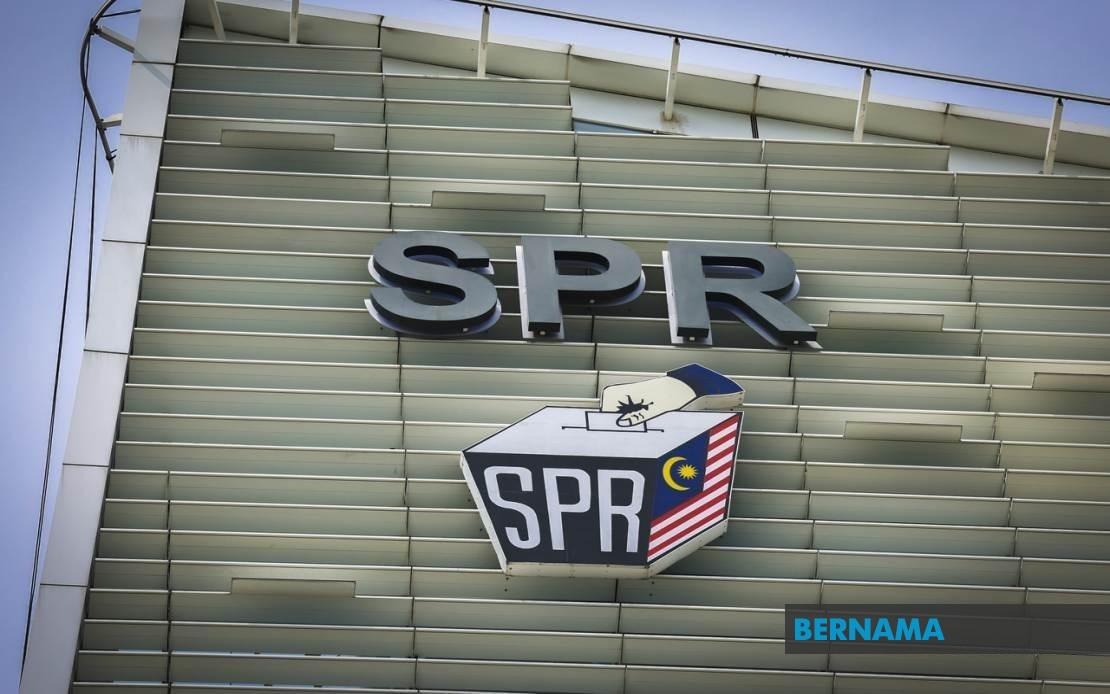
The Election Commission reported on Wednesday that it has documented 305 instances of campaign misconduct during the opening week of the 16th Johor State Election campaign period, signalling intensified monitoring of electoral activities across the state as the contest enters its final stretch before polling day.
The bulk of the violations centre on basic breaches of campaign material placement rules. Nearly half the complaints—140 cases—involved posters and promotional materials erected in areas that local authorities have specifically restricted for such purposes. This category of infringement represents the most prevalent form of non-compliance, suggesting that despite clear directives, numerous candidates and their campaign teams have failed to adhere to designated posting zones.
A secondary wave of violations involves obstacles to public safety and road visibility. Ninety cases have been flagged where campaign materials obstruct the sightlines of drivers and pedestrians, a concern that intersects both electoral compliance and traffic management. Such placements risk not only contravening election rules but also compromising public safety by impeding motorists' ability to see clearly at intersections and along thoroughfares. The persistence of these complaints hints at insufficient coordination between campaign operatives and traffic authorities.
More serious in their specificity are the 27 cases involving materials placed within fifty metres of polling centres—a core no-go zone established to preserve the sanctity and neutrality of voting locations. Breaches in this category undermine the integrity of the electoral process directly, as they represent intrusions into spaces expressly protected to shield voters from last-minute persuasion attempts. The fact that only 27 such cases emerged suggests either robust policing around polling sites or relative compliance with this particular restriction.
The remaining 48 violations encompass a variety of other campaign-related offences, a catch-all category that underscores the regulatory complexity surrounding modern electoral contests. These may include unauthorized use of public facilities, improper dissemination of materials through regulated communications channels, or breaches of the candidate code of ethics.
To manage this sprawling campaign landscape, the Election Commission has deployed 56 dedicated enforcement teams operating under the rubric of the Election Campaign Enforcement Team, or PP-KPR. These units carry authority to enforce provisions of the Election Offences Act 1954 and have been tasked with patrolling throughout the campaign window that opened on nomination day, June 27, and extends through July 10 at 11:59 pm. The commission stated that all complaints lodged have received appropriate investigative follow-up, though the specific outcomes of those follow-ups remain undisclosed.
The Election Commission has underscored its collaborative approach to campaign enforcement, operating in concert with the Royal Malaysia Police, the Malaysian Anti-Corruption Commission, and the Malaysian Communications and Multimedia Commission. This multi-agency framework reflects recognition that electoral violations can span traditional campaign offences, financial impropriety, and digital misconduct. The involvement of the MCMC signals particular attention to social media and online campaigning, territories where enforcement remains genuinely challenging given the speed and scale of content distribution.
Officials have appealed directly to candidates and party structures competing in the contest, reminding them of their obligations to observe laws, regulations, and the ethics code prescribed by the commission. This appeal carries implicit warning that further violations may result in penalties ranging from fines to disqualification, depending on the severity and nature of the breach. The measured but firm tone suggests the commission recognizes that some violations stem from ignorance rather than deliberate flouting, and seeks to correct behaviour through renewed communication.
The Johor contest itself has crystallized around 172 candidates competing for 56 state assembly seats, a field that represents intensive competition in several districts. Early voting opportunities have been scheduled for July 7, with main polling day set for July 11. The scale of the election and the geographic dispersal of campaign activity across Johor—Malaysia's second-largest state by population—compound the challenges of enforcement.
For Malaysian voters, the pattern of violations carries subtle implications about campaign discipline and organizational capacity among contesting parties. High numbers of procedural breaches may indicate either weakness in party management or a more aggressive disregard for electoral rules. The data also reflects the Election Commission's commitment to enforcement transparency, a signal that should reassure those concerned about electoral integrity in a critical state contest. As the campaign winds toward its conclusion, the velocity of reported violations and the commission's responsiveness will likely shape perceptions of whether the electoral process remains genuinely regulated or has drifted toward permissiveness.

