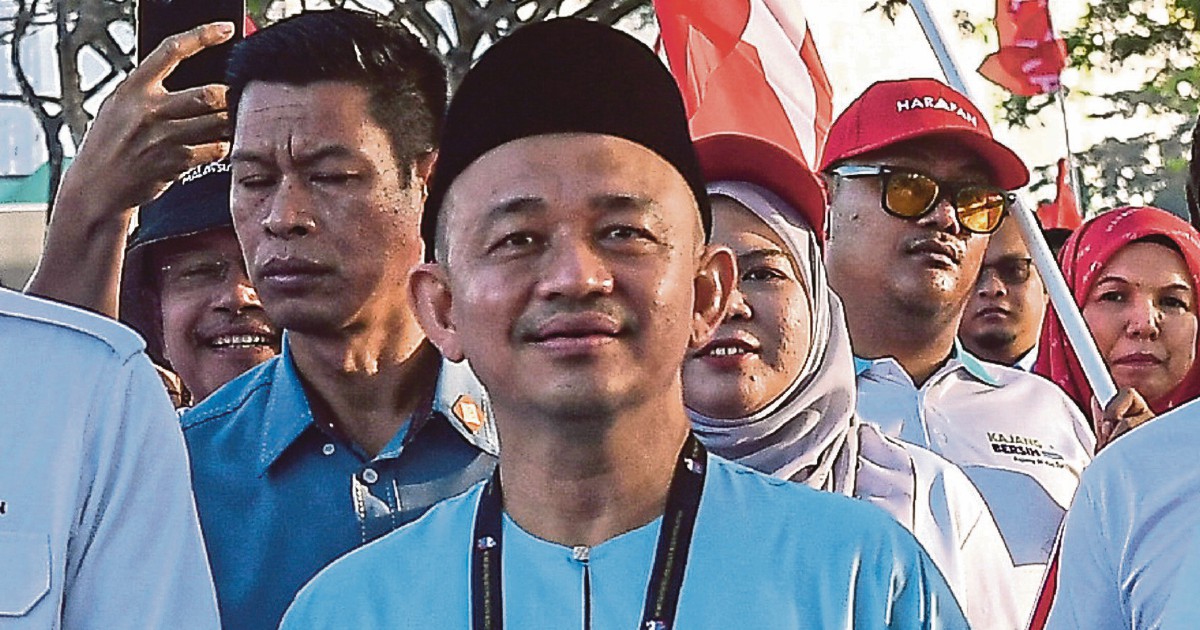
Former education minister Dr Maszlee Malik has expressed confidence that a Pakatan Harapan triumph in the Johor election will mark a pivotal moment for the state's developmental agenda, signalling his party's commitment to steering the economically significant state towards a renewed trajectory of growth and modernisation.
The stakes in Johor carry considerable weight beyond the state itself, given that the southern region remains one of Malaysia's economic powerhouses with substantial manufacturing, logistics, and tourism sectors. A coalition victory, particularly in strategic constituencies such as Puteri Wangsa, would represent a significant shift in the political landscape of a state traditionally dominated by Barisan Nasional and subsequently consolidated under Perikatan Nasional control. For Malaysian observers, this contest reflects broader questions about whether voters are prepared to embrace alternatives to the incumbents who have held sway over Johor's governance and resource allocation.
Dr Maszlee's assertions touch upon themes central to Pakatan Harapan's regional positioning—economic diversification, institutional reform, and the promise of delivering development benefits more equitably across constituencies. The coalition has consistently framed electoral contests not merely as power transitions but as opportunities to implement governance philosophies centred on transparency and accountability. In the Johor context, such messaging resonates with constituencies experiencing infrastructure needs, youth unemployment concerns, and questions about whether current state administrations have adequately addressed quality-of-life issues affecting ordinary residents.
The reference to Puteri Wangsa specifically suggests targeted campaigning in a seat that coalition strategists have identified as winnable, reflecting the granular approach modern Malaysian political contests now demand. Constituency-level analysis has become increasingly sophisticated, with parties deploying data-driven strategies to identify persuadable voters and mobilise support through community engagement. A breakthrough victory here could create momentum throughout the state, as single successes often catalyse broader political realignments as voters reassess their preferences.
Johor's political economy deserves closer examination when evaluating such electoral pronouncements. The state generates substantial tax revenue through its industrial zones and port operations, yet questions persist about whether development benefits have been equitably distributed. Rural constituencies and smaller towns have frequently expressed grievances about infrastructure investment concentration in urban centres like Johor Baru. A coalition victory could feasibly translate into different spending priorities and administrative approaches that address perceived regional disparities, potentially strengthening support among voters who feel neglected by existing power structures.
The former education minister's positioning also reflects Pakatan Harapan's broader effort to rebuild credibility in peninsular Malaysia following the 2018–2022 federal government period. That administration faced criticism for economic management and internal coalition tensions, challenges that weakened the coalition's electoral fortunes significantly. Renewed emphasis on state-level development narratives allows the coalition to demonstrate renewed focus on delivering concrete improvements in voter wellbeing, sidestepping broader debates about federal governance record.
Dr Maszlee's involvement in campaign messaging carries particular significance given his portfolio background. As former education minister, he brings technical credibility to discussions about skills development and youth opportunity creation—critical issues for a state with a youthful demographic profile. His participation suggests that Pakatan Harapan intends to anchor its Johor campaign in substantive policy terrain rather than purely oppositional messaging, appealing to voters motivated by forward-looking governance propositions.
Regional dynamics further contextualise this electoral contest. Southeast Asian economies increasingly compete for manufacturing investments and talent acquisition, making state-level governance quality a competitive factor. A Johor administration perceived as forward-thinking and reform-minded might enhance the state's appeal to multinational corporations considering investment locations, potentially generating employment that transcends immediate electoral cycles. Such longer-term economic implications remain largely absent from immediate campaign rhetoric but influence how constituencies perceive governance alternatives.
The electoral significance of Johor extends to national coalition dynamics. Pakatan Harapan's continued relevance as a federal alternative depends substantially upon demonstrating resilience in state contests, particularly in economically significant regions. Johor victory would inject momentum into coalition renewal efforts and provide parliamentary seat gains that strengthen negotiating positions in future federal politics. Conversely, electoral setbacks would further consolidate perceptions of declining coalition strength, potentially accelerating defections among politicians calculating which coalition offers greater career advancement prospects.
Voter sentiment in Johor remains difficult to calibrate definitively. Traditional barometers suggest dissatisfaction with incumbent administration performance, yet converting sentiment into electoral outcomes requires effective campaign execution and ground-level mobilisation. Pakatan Harapan must navigate diverse constituency priorities—urban voters emphasise good governance and efficiency, while rural areas prioritise infrastructure and service delivery. Coalition messaging attempting to address both simultaneously risks appearing contradictory without carefully calibrated communication strategies adapted to specific demographic contexts.
The trajectory of this campaign may ultimately reveal whether Malaysian voters at state level retain appetite for political change or prefer incumbent stability. Dr Maszlee's confidence reflects genuine coalition belief in its prospects, yet confidence often diverges from electoral reality. What becomes clear through analysing these pronouncements is that Johor represents considerably more than a single state election—it constitutes a test of whether opposition coalitions retain pathway to meaningful power recovery, or whether recent polling dominance by governing coalitions reflects durable realignment in Malaysian electoral behaviour that transcends particular policy positions or campaign messaging.

