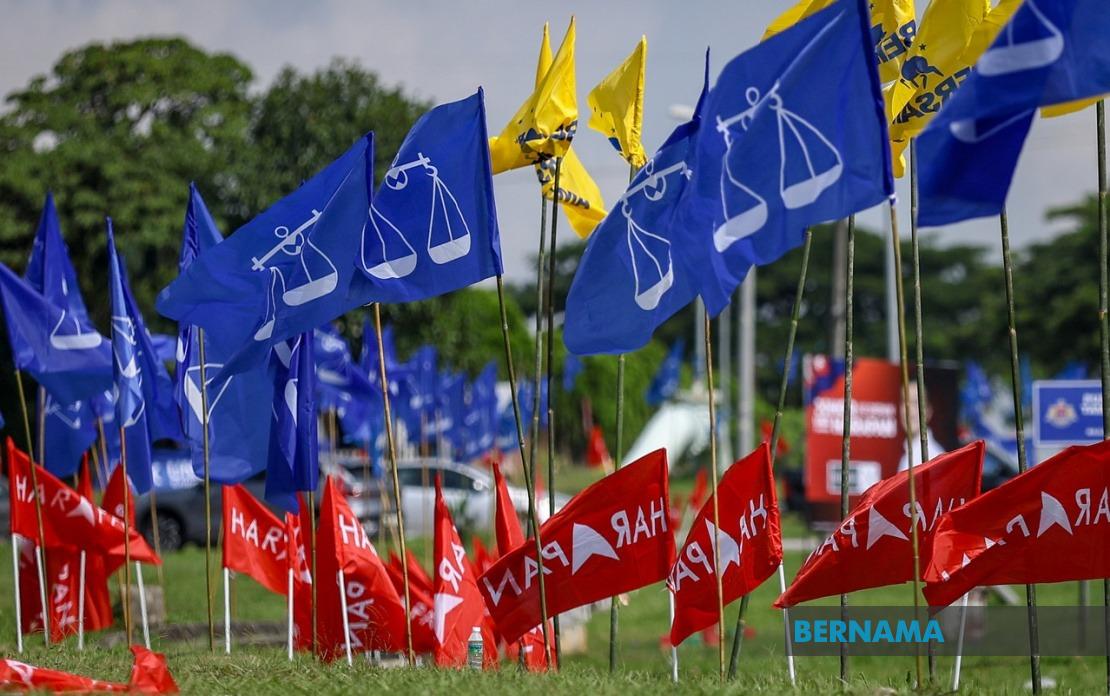
Pakatan Harapan launched a comprehensive election manifesto for Johor's upcoming state polls on July 3, presenting what political analysts describe as a credible alternative platform capable of contesting Barisan Nasional's longstanding narrative of administrative competence and political stability. The manifesto, titled "Johor For All", directly addresses the everyday concerns of ordinary Malaysians—employment opportunities, housing affordability, healthcare access, and governmental integrity—positioning these as fundamental measures of a responsible administration.
Associate Professor Dr Mazlan Ali from Universiti Teknologi Malaysia's Social Sciences and Humanities Faculty characterises the platform as substantially more than rhetorical flourish. Rather than generalised campaign promises, he observes that the manifesto identifies specific, tangible policy areas that voters repeatedly cite as pressing concerns. By concentrating on these bread-and-butter issues, PH has constructed a campaign architecture that speaks directly to the lived experiences of Johor residents seeking material improvements in their circumstances. The thematic coherence around these four pillars suggests strategic messaging designed to build broad electoral coalition across demographic segments.
The manifesto's credibility hinges partly on the Unity Government's demonstrated capacity at the federal level. Since taking office federally, the administration has presided over measurable economic improvements—a strengthening ringgit, increased foreign direct investment flows, and improved trade performance. These tangible outcomes provide empirical foundation for PH's claims that their state-level proposals are achievable rather than merely aspirational. Mazlan emphasises that the manifesto derives its persuasive force from evidence that similar policies have been successfully implemented at the national level, lending substance to Johor-specific commitments.
The manifesto commits to substantial numerical targets that reflect considerable ambition: a RM500 million youth employment fund, construction of 80,000 affordable housing units, creation of 250,000 high-paying jobs, and comprehensive healthcare protection. Such figures inevitably provoke scepticism among voters accustomed to unfulfilled campaign promises. Yet analysts suggest these targets, if presented alongside credible implementation frameworks and demonstrable financial commitment, may actually strengthen PH's appeal among undecided voters who evaluate not individual candidates alone but entire coalitions' governance track records and capacity for programme delivery.
The distinction between manifesto rhetoric and genuine implementation capacity represents a critical divide in Johor's electoral landscape. Mazlan argues that fence-sitters—voters still uncommitted as polling approaches—typically assess whether political parties possess both the financial resources and administrative systems necessary to translate campaign commitments into actual policy outcomes. From this perspective, PH benefits from articulating clearly defined, measurable targets within specified timelines. Such specificity distinguishes serious governance proposals from vague political posturing, potentially swaying voters frustrated with previous administrations' delivery failures.
Dr Nazreena Mohammed Yasin from Universiti Tun Hussein Onn Malaysia's Centre for General Studies emphasises that manifesto strength ultimately depends on voter perception of a party's capacity to deliver. While the "Johor For All" platform presents an inclusive vision spanning economic development and social welfare, its electoral effectiveness remains contingent on convincing voters that proposals reflect genuine commitment backed by detailed implementation strategies, secured financing, and realistic delivery timeframes. BN's incumbent status carries inherent advantages—decades of demonstrated administrative experience and an established public narrative centring on stable governance and proven policy execution.
To effectively challenge this incumbent advantage, PH must overcome persistent voter scepticism about opposition credibility. Nazreena suggests that PH's pathway to victory requires moving beyond manifesto promises to concrete evidence of planning capacity. The party must articulate how proposals will be financed, which government departments will implement specific initiatives, what timeline governs delivery, and how progress will be transparently measured. Such specificity transforms manifestos from campaign documents into governance blueprints that sophisticated voters increasingly demand from serious political alternatives.
Johor's economic geography creates particular opportunities for PH's cross-border initiatives. The state's deep integration with Singapore's economy means that policies reducing border crossing delays and improving transportation infrastructure offer direct material benefits to the substantial workforce commuting across frontiers daily. A 50 percent reduction in border waiting times would generate measurable time-savings and economic productivity gains for workers and employers alike. These concrete, border-specific proposals demonstrate PH's understanding of Johor's distinctive economic position within Malaysia's regional context.
The youth employment and high-value industry targets similarly reflect sophisticated analysis of Johor's demographic and economic trajectory. Creating 250,000 jobs specifically in digital economy sectors, artificial intelligence, and other knowledge-intensive industries positions PH as forward-looking on economic diversification rather than merely defending declining traditional sectors. For younger voters seeking career advancement and professional development beyond conventional manufacturing employment, these commitments offer tangible vision of economic modernisation aligned with their aspirations and skills development.
The competitive dynamics between PH and BN in Johor centre fundamentally on voters' assessment of which coalition better understands contemporary governance challenges and possesses superior capacity for delivery. BN's narrative emphasises stability born from incumbent experience; PH's narrative emphasises progressive reform grounded in federal-level accomplishments. For undecided voters representing the swing constituency that will determine electoral outcomes, the manifesto's comprehensiveness and detailed targeting of identifiable problems may prove more persuasive than purely defensive claims to incumbent competence.
As voting approaches on July 11, with early balloting scheduled for July 7, Johor voters will ultimately render judgment on whether PH's manifesto represents credible alternative governance or merely sophisticated political packaging. The manifesto's strength lies not merely in its content but in voters' conviction that a PH-led state administration, operating in coordination with federal-level Unity Government institutions, possesses both the political will and administrative capacity to translate ambitious targets into measurable improvements in employment, housing, healthcare and public integrity. BN's challenge involves demonstrating that incumbent experience and administrative stability justify electoral confidence despite any perception of governance complacency or insufficient reform commitment.

